Gas Oven Igniter Diagnostic Tool
Select the symptom you are experiencing to get a likely cause and recommended action.
Please select a symptom from the list on the left to see the likely cause and required action.
Safety NoteWhen in Doubt, Check for Gas
If you smell strong gas odor, do not attempt to light the oven. Turn off the gas supply at the valve, ventilate the area, and contact a professional technician. Delayed ignition can lead to dangerous flare-ups.
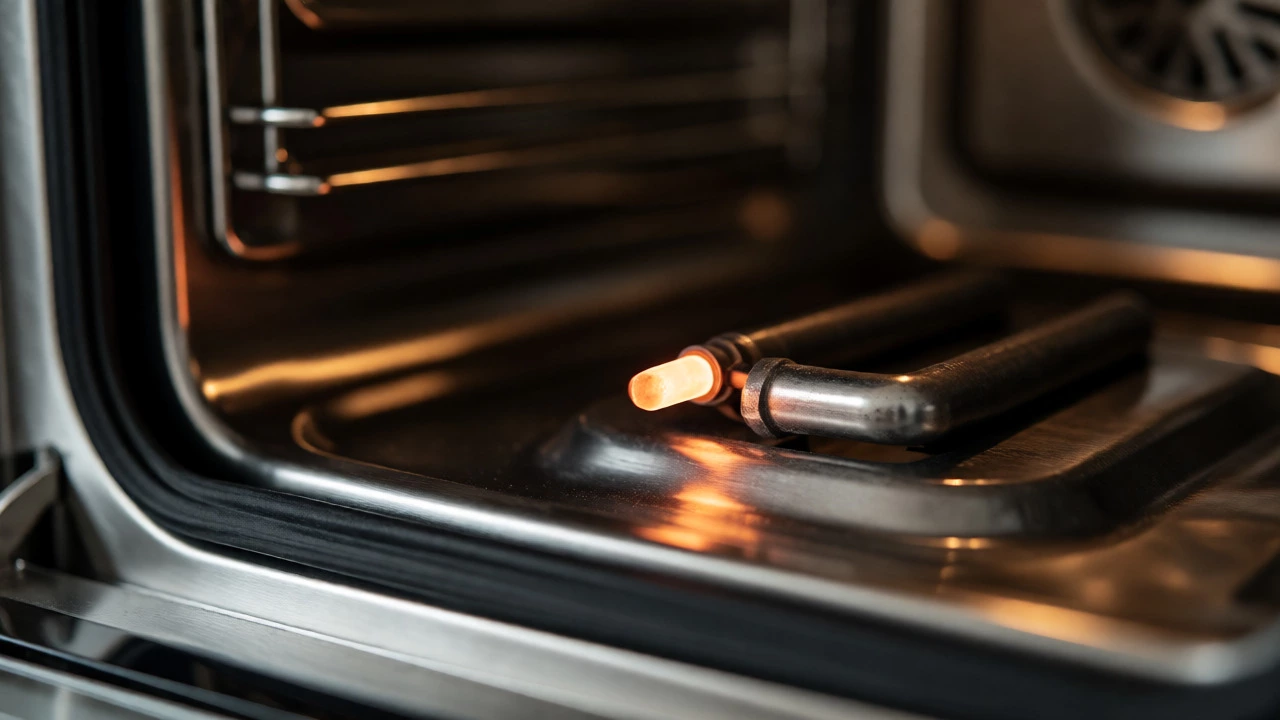
You turn the dial on your gas oven and wait. Usually, you hear that familiar click-click-whoosh as the burner lights up. But today? Nothing. Or maybe you see a faint orange glow that never quite catches fire. This is one of the most common complaints I hear from homeowners in Dunedin, and it almost always points to one specific part: the igniter (also known as a glow bar or hot surface igniter). It’s a small, fragile component that does a big job-opening the gas valve by heating up enough to trigger the safety switch. When it fails, your oven stops cooking, but the signs are usually pretty clear if you know what to look for.
The Most Obvious Sign: The Oven Won’t Heat Up
If your oven simply refuses to get hot, even though the clock works and the fan spins, the igniter is likely the culprit. Here is the physics behind it: modern gas ovens use an electric igniter that heats up to around 1800°F (980°C). Once it gets hot enough, its electrical resistance changes, signaling the gas valve to open. If the igniter is cracked or worn out, it might still glow slightly but never reach that critical temperature. The result? The gas valve stays shut, no flame appears, and your dinner stays cold. You might stand there waiting for five minutes, hearing absolutely nothing except the hum of the fan. That silence is loud proof that the ignition sequence failed at step one.
The "Slow Light" Phenomenon
This is the trickiest symptom because people often ignore it until the igniter dies completely. A healthy igniter glows bright orange within 60 to 90 seconds and then clicks off as the burner lights. A failing igniter takes much longer-sometimes two to three minutes-to finally ignite the gas. During this delay, the oven tries to maintain the set temperature, but the burners keep cycling on and off erratically. You might notice your food baking unevenly or taking twice as long to cook. If you watch through the window during preheat, you’ll see the igniter glowing weakly, struggling to pull enough current to trip the valve. Don’t wait for it to fail entirely; replace it now while it’s still working, just poorly.
| Symptom | Likely Cause | Action Required |
|---|---|---|
| No heat, no sound | Fully dead igniter or power issue | Check breaker, test igniter continuity |
| Igniter glows dimly for >2 mins | Weakened igniter resistance | Replace igniter immediately |
| Burner lights but goes out quickly | Thermocouple or sensor fault | Clean or replace thermocouple |
| Smell of gas without ignition | Valve opening, igniter too slow | Turn off gas, inspect igniter |
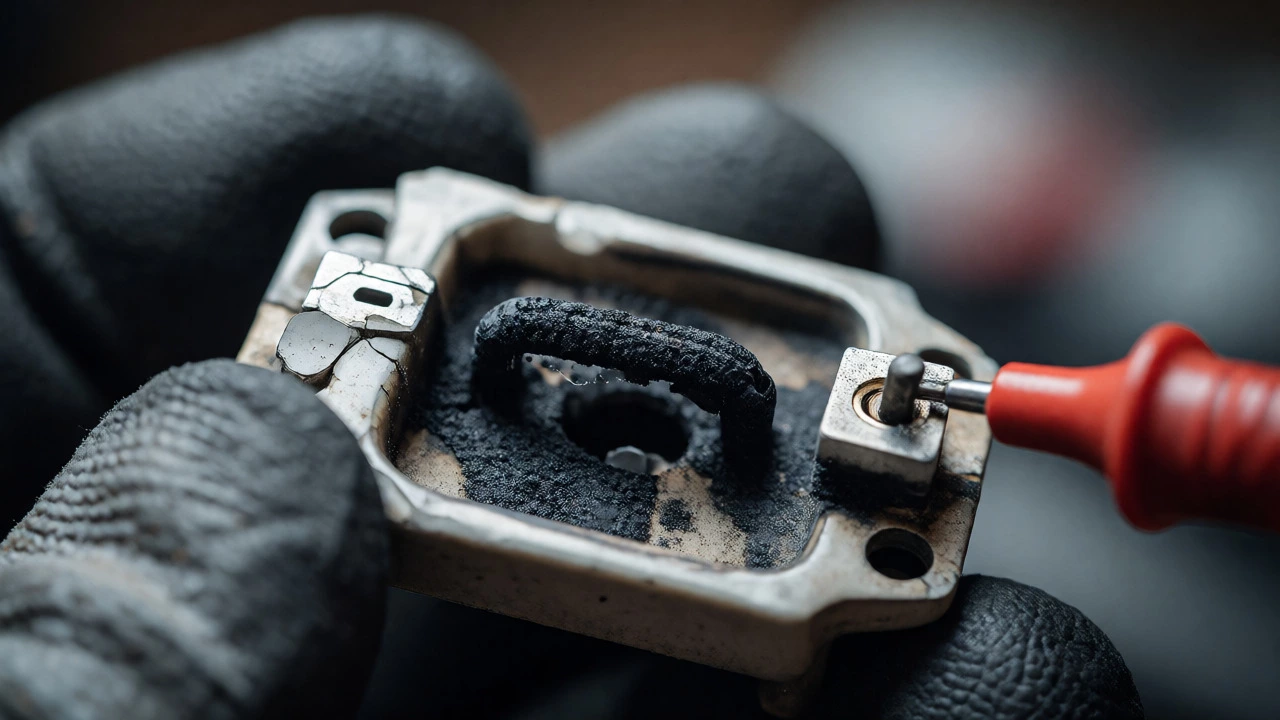
Visual Clues: What Does a Bad Igniter Look Like?
You don’t need a multimeter to spot physical damage. Pull out the bottom drawer or remove the floor panel of your oven (always unplug the unit first!). Locate the igniter near the bake burner tube. A good igniter looks like a solid piece of ceramic with intact metal coils. A bad one? It will have visible cracks, chips, or missing chunks of the ceramic material. Sometimes, the coil itself is broken, looking like a snapped wire. Other times, you’ll see white powdery residue or heavy carbon buildup on the surface. This grime insulates the element, preventing it from heating efficiently. If it looks shattered or heavily coated, it’s done for. Even if it looks okay visually, remember that internal resistance can drift over time, so visual inspection is only step one.
The Smell of Unburnt Gas
Have you ever opened your oven door and caught a whiff of rotten eggs or natural gas? In a properly functioning system, the igniter heats up *before* the gas flows. If the igniter is sluggish, the control board might eventually force the gas valve open anyway, assuming ignition has occurred. The gas spills into the oven cavity, pooling at the bottom, waiting for a spark that never comes. When you finally do get it to light-or when you manually strike a match-it can cause a small, startling flare-up. This is dangerous. If you smell gas strongly before lighting, do not try to start the oven again. Turn off the gas supply, ventilate the kitchen, and call a professional. Persistent weak smells usually mean the igniter is dragging out the ignition cycle, allowing minor gas leaks before combustion starts.
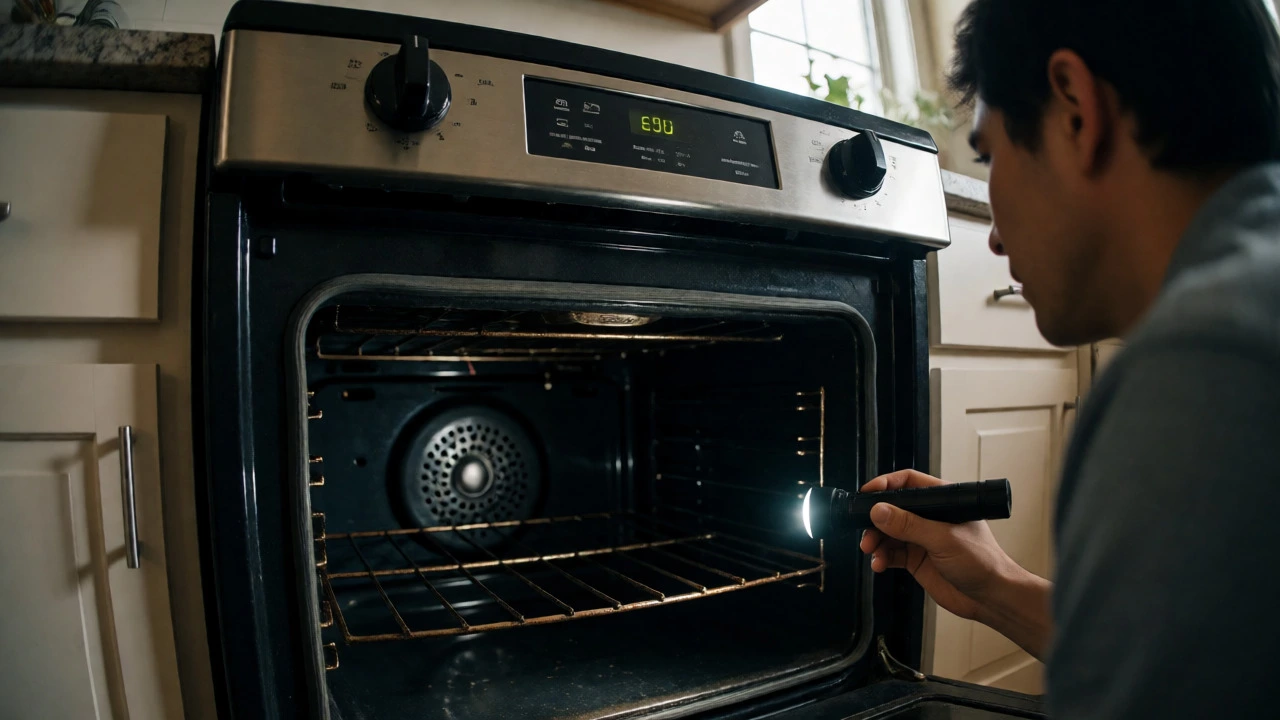
Testing the Igniter: Do You Need a Pro?
You can test it yourself if you’re comfortable using a multimeter. Set it to measure Ohms (resistance). Disconnect the igniter wires and touch the probes to the terminals. A healthy hot surface igniter typically reads between 50 and 400 Ohms, depending on the model. If it reads infinite resistance (OL), the circuit is broken inside, and it needs replacement. If it reads close to zero, it’s shorted. However, here’s the catch: some igniters pass the static resistance test but fail under load. They might show 100 Ohms when cold but drop below the required amperage threshold once heated. Because of this, many technicians recommend replacing the part rather than troubleshooting endlessly, especially since replacements cost $20-$50. It’s cheaper than paying for multiple diagnostic calls.
DIY Replacement Tips for Homeowners
Replacing a gas oven igniter is one of the easiest DIY repairs. First, ensure the oven is unplugged and the gas is turned off. Remove the lower rack and unscrew the broiler pan or floor shield. Unscrew the mounting bracket holding the igniter. Gently disconnect the wiring harness-don’t yank the wires! Install the new igniter, ensuring it sits in the correct position relative to the burner ports. Reconnect the wires, screw everything back together, and restore power/gas. Run a test cycle. If it lights within 90 seconds, you’ve saved yourself a service fee. Always handle the new igniter by its edges; oils from your fingers can create hot spots that shorten its lifespan.
How long does a gas oven igniter last?
Typically, a hot surface igniter lasts between 5 to 7 years. However, frequent use, power surges, or accidental impacts during cleaning can reduce this lifespan significantly. If your oven is older than 7 years and showing slow ignition signs, preemptive replacement is wise.
Can I clean my gas oven igniter instead of replacing it?
You can gently brush off loose debris with a soft paintbrush, but do not use water or abrasive cleaners. If the ceramic is cracked or the coil is damaged, cleaning won’t help. Often, the issue is internal electrical resistance, which cannot be fixed by cleaning.
Why does my oven click but not light?
If you hear clicking, it’s likely a spark igniter system (common in hobs, less so in ovens) or a relay trying to engage. In ovens with hot surface igniters, clicking usually indicates the gas valve solenoid is attempting to open. If the igniter isn’t hot enough, the valve may open briefly and close again, causing rapid clicking. This confirms the igniter is failing to draw sufficient current.
Is it safe to use a gas oven with a bad igniter?
It is generally unsafe if you smell gas. A failing igniter can lead to delayed ignition, where gas accumulates and then explodes in a large flare-up when it finally lights. This can damage the oven interior and pose a burn risk. Stop using the oven until repaired.
How much does it cost to replace a gas oven igniter?
Parts typically cost between NZD $30 and $80. Professional labor adds another NZD $100-$150. DIY replacement saves the labor cost, making it a very affordable repair compared to buying a new oven.