Kitchen Ventilation Solution Finder
Answer three simple questions about your kitchen environment to find the most effective and cost-efficient ventilation solution for your specific needs.
Your Kitchen Profile
Recommendation
Fill in your profile and click "Find My Best Solution" to see your recommended ventilation method.
Method Effectiveness Scores
Staring at a broken extractor fan in your kitchen ceiling can be frustrating. You just want the steam and cooking smells gone, but you don't necessarily need to buy a new unit immediately. Sometimes, the best fix isn't another machine; it's changing how air moves through your space. If you're looking for extractor fan alternatives, you have more options than you might think, ranging from simple window tweaks to high-end ductless systems.
The core problem with extractor fans is that they are active mechanical devices. They consume electricity, make noise, and eventually fail. When they stop working, humidity builds up, leading to mold on walls and a stale smell that lingers in the house. The goal of any alternative is to achieve the same result-removing moist air and odors-without relying solely on a spinning motor.
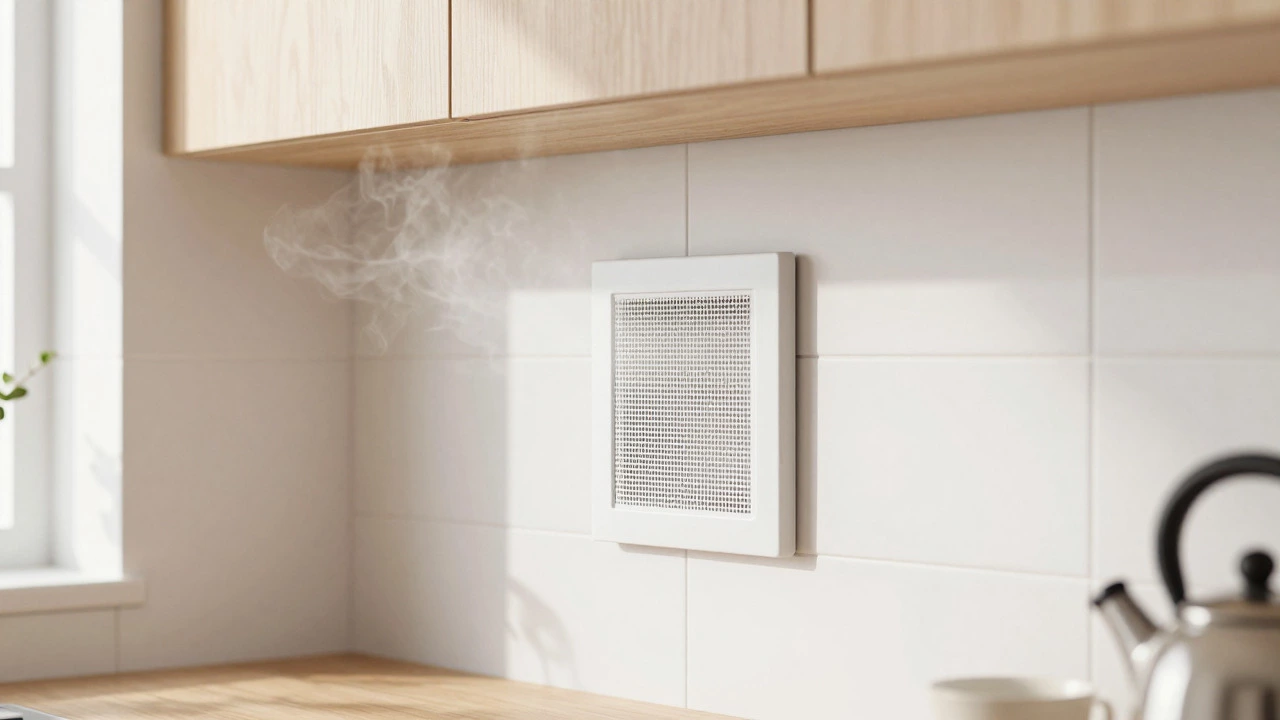
Passive Vents: The Silent Workhorse
If you have a single-story home or a ground-floor kitchen, passive ventilation is often the most cost-effective solution. Passive vents rely on natural pressure differences rather than electric motors. Think of them as one-way doors for air. Moist air from inside your kitchen pushes out through these vents, while fresh air enters through gaps under doors or other vents elsewhere in the house.
You can install these in several places:
- Wall vents: Small grilles installed directly into an external wall. These are common in older homes but can be added to newer ones if local building codes allow.
- Ceiling vents: Similar to wall vents but placed in the ceiling, useful if you don't have access to an external wall near the stove.
- Window trickle vents: Tiny slits built into window frames that stay open even when the window is closed. They provide a constant, low-level flow of fresh air.
The main advantage here is silence. There is no hum, no vibration, and no electricity bill. However, passive vents work best in mild climates. In very cold or windy conditions, their effectiveness drops because the wind pressure might push air back in or the temperature difference isn't strong enough to drive the airflow efficiently. For a Dunedin winter, where dampness is a real issue, you might find passive vents alone aren't enough during heavy rain storms, but they handle everyday cooking well.
Ductless Range Hoods: No Ductwork Required
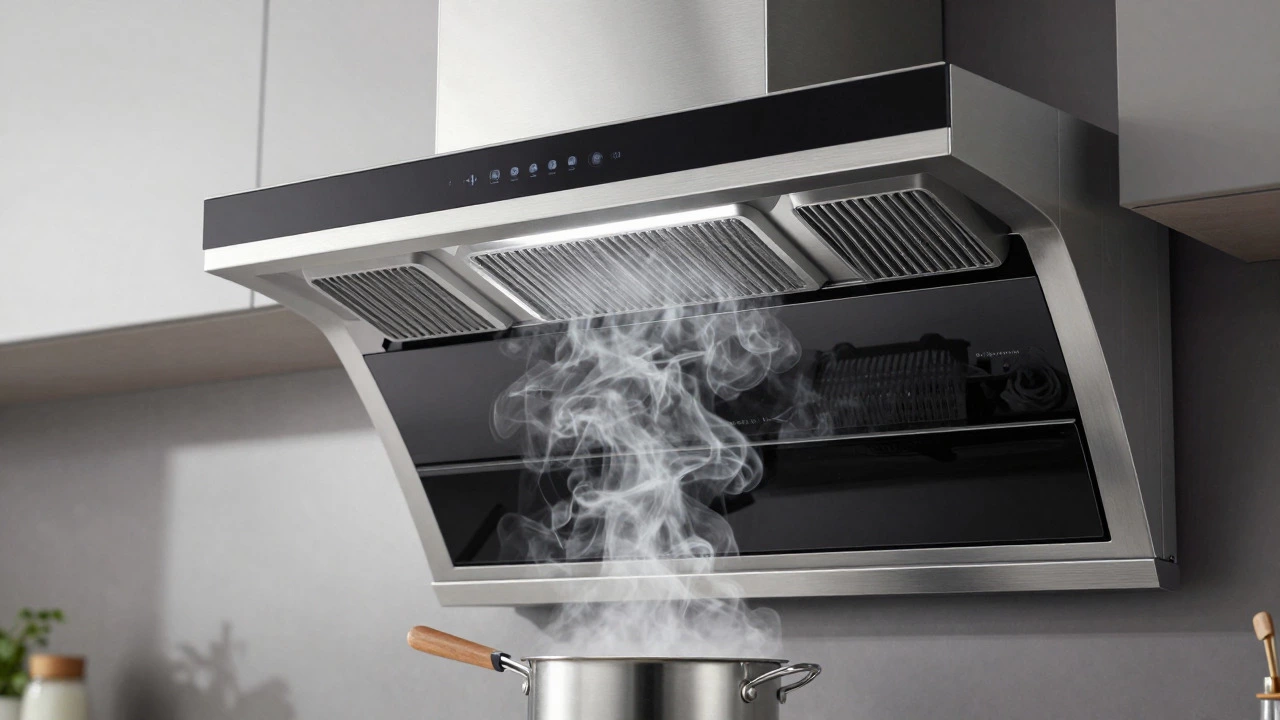
Many people assume that if you don't have a hole in the wall for ducting, you're stuck with a recirculating hood that just filters air and blows it back. That's not always true. Ductless range hoods use charcoal filters to trap grease and odors before releasing the air back into the room. While this doesn't remove moisture from the house (which is why they are less effective than ducted systems), they do a decent job of capturing smoke and smells right at the source.
This option is ideal if you've recently renovated and sealed the kitchen tightly, making it hard to run ducts outside. It keeps the immediate area around the stove clear of smoke, which prevents soot from settling on your cabinets and walls. Just remember that you'll need to replace those charcoal filters every few months, which adds a small ongoing cost.
Portable Air Movers and Circulation Fans
This sounds like a hack, but it works surprisingly well for short-term fixes or smaller kitchens. A standard pedestal fan or a box fan pointed toward an open window creates a directed airflow. By placing a fan in front of an open window, you force the humid air inside the kitchen out through that opening. This is essentially creating a manual extraction system.
To make this work effectively, you need cross-ventilation. Open a window in the kitchen and another door or window in a different part of the house. The fan pushes air out, creating negative pressure that pulls fresh air in from the other side. It’s loud, yes, but it’s free if you already own a fan. Many homeowners in New Zealand use this method during summer when windows are open anyway, combining natural breeze with forced airflow to keep the kitchen cool and dry.
Dehumidifiers: Tackling the Root Cause
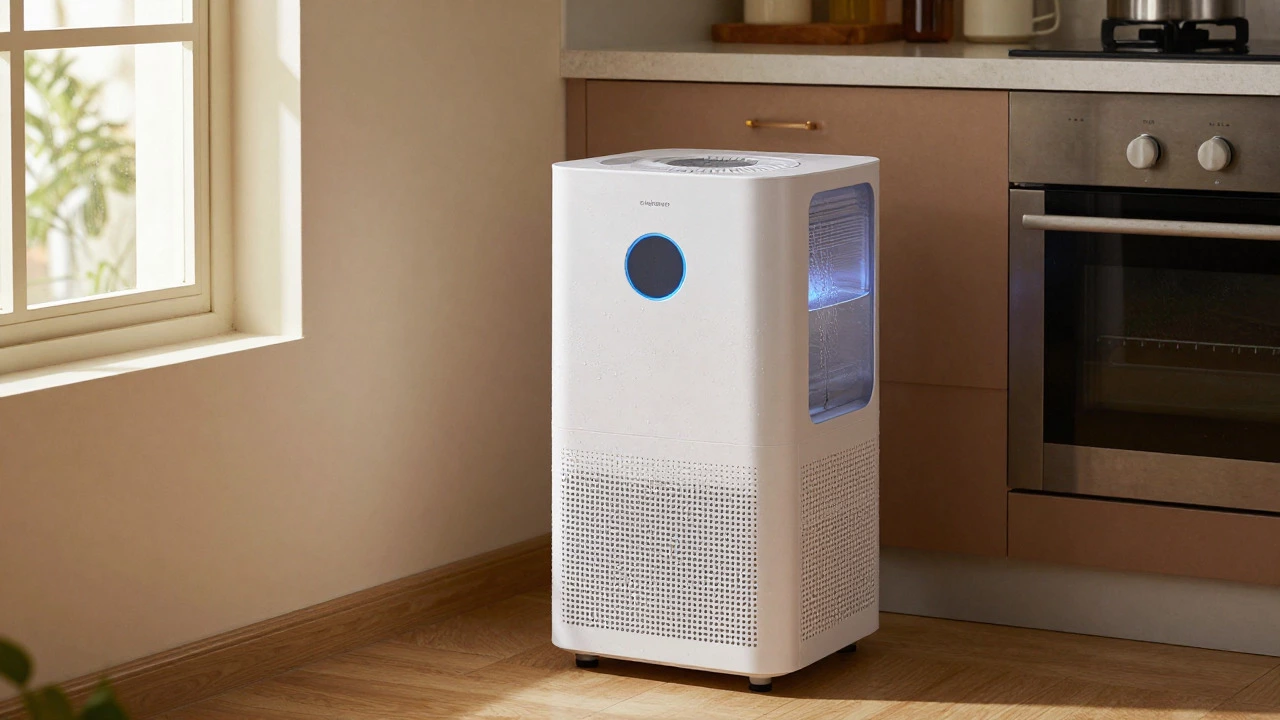
An extractor fan removes air; a dehumidifier removes water vapor from the air. If your main complaint isn't the smell of garlic, but rather the condensation on your windows and the musty feel in the room, a dehumidifier might be a better investment than a fan. These machines pull moisture out of the air and collect it in a tank or drain it into a pipe.
In humid coastal areas, dehumidifiers are incredibly popular. They don't help with moving air around, so you still need some form of ventilation to prevent stagnant smells, but they solve the mold and dampness problem permanently. A compact dehumidifier can fit under a sink or in a corner, running quietly while it dries out the room. For many households, this is a superior long-term solution to a noisy extractor fan that only works when you turn it on.
Comparison of Options
Choosing the right alternative depends on your specific situation. Here is a quick breakdown of how these methods compare in terms of cost, effort, and effectiveness.
| Method | Initial Cost | Maintenance | Best For | Noise Level |
|---|---|---|---|---|
| Passive Vents | Low ($50-$150) | Minimal (clean occasionally) | Mild climates, older homes | Silent |
| Ductless Hood | Medium ($300-$800) | Regular (filter replacement) | Renovated kitchens, no duct access | Moderate |
| Portable Fans | Very Low ($0-$100) | None | Short-term fixes, summer use | Loud |
| Dehumidifier | High ($400-$1000+) | Regular (empty tank/clean filter) | Damp climates, mold prevention | Quiet |
When to Call a Professional
While DIY solutions work for many, there are times when you should consider repairing the original fan instead of replacing it. If your extractor fan is making a grinding noise or vibrating heavily, it might just need a bearing replacement or a capacitor swap. These parts are cheap, and a technician can often fix the issue in under an hour. Replacing a whole unit when a $20 part would fix it is a waste of money.
Also, check your local building regulations. In some regions, removing an extractor fan without installing an equivalent ventilation method can violate health codes, especially in bathrooms or kitchens with gas appliances. Always ensure whatever alternative you choose meets the minimum airflow requirements for your home size.
Frequently Asked Questions
Do I need an extractor fan in my bathroom?
Ideally, yes. Bathrooms generate significant moisture quickly. While a dehumidifier can help, an extractor fan is the fastest way to remove steam after a shower. If you remove the fan, ensure you have a good-sized window that opens frequently or install a powerful dehumidifier to compensate.
Are passive vents enough for a modern airtight home?
Often, no. Modern homes are built much tighter to save energy, which means there are fewer natural air leaks. Passive vents may struggle to move enough air in these environments. You might need to combine passive vents with a heat recovery ventilator (HRV) or a ductless hood to maintain proper air quality.
How much does it cost to repair an extractor fan?
Labor costs vary, but a typical repair involving motor or capacitor replacement ranges from $100 to $250 including parts. If the fan is old or damaged beyond repair, the cost of replacement might be similar, so get quotes for both options before deciding.
Can I use a regular ceiling fan for ventilation?
A standard ceiling fan circulates air but doesn't extract it. It helps mix warm, moist air with cooler air, preventing condensation on ceilings, but it won't remove the moisture from the house. Use it in conjunction with an open window or another extraction method for best results.
What is the best alternative for a rental property?
In a rental, you likely can't drill holes for passive vents or ducting. A portable dehumidifier and a small oscillating fan are your best bets. They require no installation, are easy to move out with, and address both moisture and air circulation issues effectively.