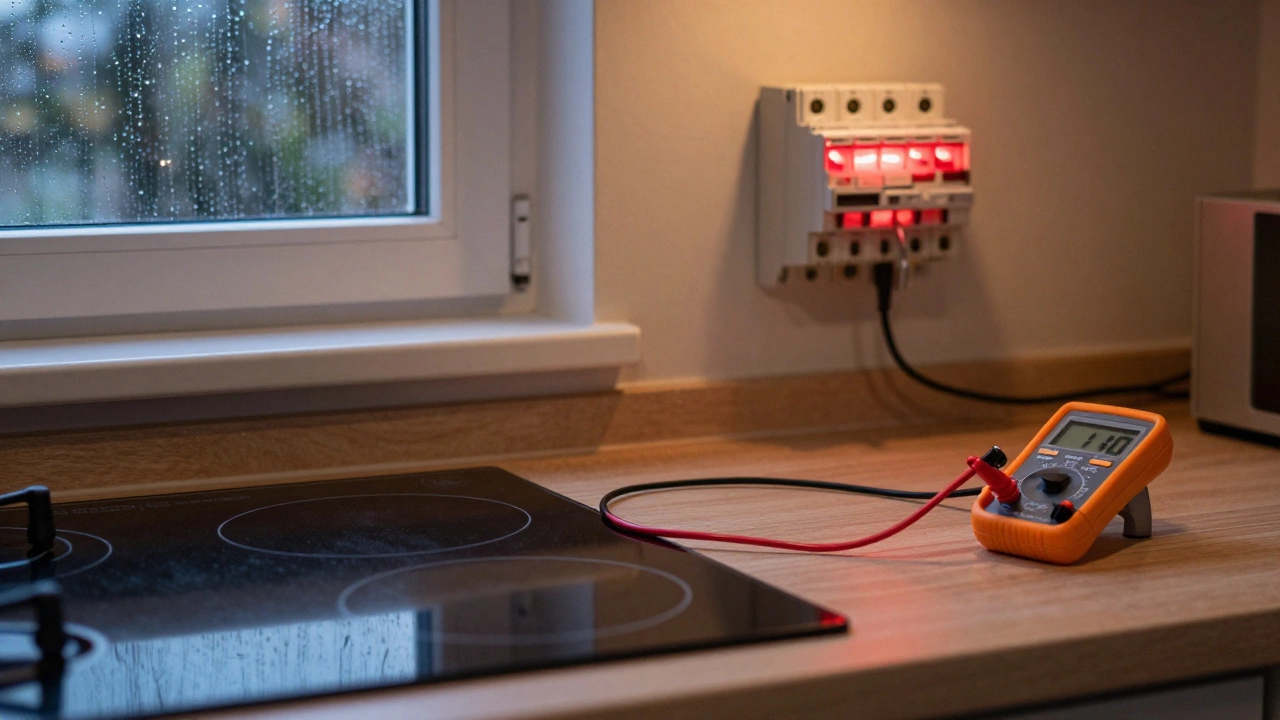
If your cooker suddenly stopped working, you’re not alone. It’s one of the most common appliance emergencies-especially in winter when you rely on it for meals, warmth, and routine. No warning. No beep. Just silence. One minute you’re preheating for roast chicken, the next, nothing happens. It’s frustrating, but it’s rarely a total loss. Most of the time, it’s something simple you can fix yourself-or know when to call a pro.
Is it the power?
Start with the basics. A cooker that won’t turn on at all often has nothing to do with the internal components. Check the plug. Make sure it’s fully inserted into the socket. In older homes, especially in Dunedin, outlets can loosen over time or get tripped by a surge. Look for a switch on the wall near the cooker-it’s easy to forget those exist. Some kitchens have a dedicated circuit breaker just for the cooker. Head to your fuse box and see if that breaker has flipped. If it has, reset it. If it trips again right away, stop. That’s a sign of a serious fault, like a short circuit or overloaded wiring. Don’t keep resetting it. Call an electrician.Also, check if other appliances on the same circuit are working. If the kettle and toaster are dead too, the issue is likely the circuit, not the cooker. If only the cooker is out, the problem’s probably with the appliance itself.
What if only the oven won’t heat up?
If the hob still works but the oven doesn’t heat, you’ve got a more specific problem. The oven uses its own heating element-usually a coil at the top or bottom of the cavity. Over time, these can crack, burn out, or disconnect. Look inside the oven. Is the element glowing red when you turn the oven on? If it’s dark and cold, it’s dead. You can test it with a multimeter if you’re comfortable, but a visual check often tells the story: blackened spots, sagging wires, or visible breaks mean it’s done.Replacement elements are cheap and easy to install. Most models use standard fittings. You’ll need to unplug the cooker, remove the back panel inside the oven, disconnect the old element, and swap in the new one. Take a photo before you disconnect anything. Wiring can look confusing, but it’s usually just two or three terminals. If you’re unsure, take the old part to a local appliance repair shop-they’ll match it for you.
Gas cooker? Check the igniter and gas supply
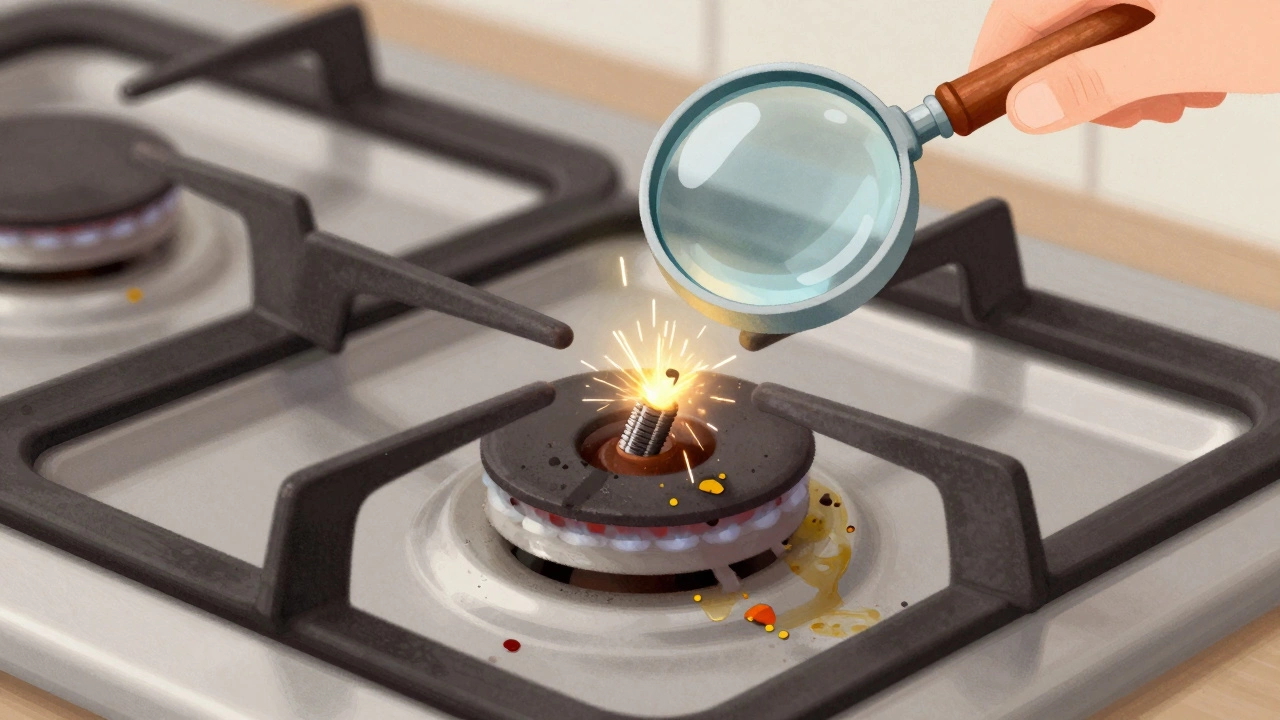
If you’ve got a gas cooker and the burners won’t light, the issue is often the igniter. That little clicking sound you hear? That’s the spark module trying to ignite the gas. If it’s clicking but no flame appears, the igniter might be dirty or worn. Clean it gently with a toothbrush and a bit of vinegar. Make sure the gas ports aren’t clogged with food debris or grease. A pin or needle can clear them out-carefully.But if you smell gas at all, stop. Turn off the gas valve behind the cooker. Open windows. Don’t turn on lights or use your phone. Leave the house and call a gas technician. Gas leaks are serious. Even a small one can build up and become dangerous.
Another common gas issue: the thermocouple. This safety device shuts off the gas if the flame goes out. If it’s faulty or misaligned, the cooker won’t light even if the gas is flowing. It’s a small copper tube near the burner. Sometimes, just adjusting its position helps. If cleaning and realigning don’t fix it, replace it. They cost under $30 and are easy to swap.
Thermostat or control board failure
If the oven turns on but doesn’t reach the right temperature-or shuts off randomly-it’s likely the thermostat. This is the sensor that tells the cooker when it’s hot enough. Over time, they drift out of calibration. You can test it with an oven thermometer. Put it inside, set the cooker to 180°C, and wait 20 minutes. If the thermometer reads 150°C or lower, the thermostat is off.Replacing a thermostat isn’t hard, but it requires pulling the cooker out from the cabinet and accessing the back panel. If you’re not confident, leave it to a technician. A more complex issue is a faulty control board. Modern cookers have digital panels and circuit boards that manage timing, temperature, and functions. If the display is blank, buttons don’t respond, or error codes appear (like E1, F3, or Err), the board might be fried. Power surges are the usual culprit. If your area had a recent storm or power flicker, that’s your clue.
Control boards are expensive to replace-often over $200. Before you buy one, make sure the problem isn’t simpler. A loose wire, a blown fuse on the board, or a failed relay can mimic a full board failure. A technician can test these components before recommending a full replacement.
Age and wear: When it’s time to replace
Most cookers last 10 to 15 years. If yours is older than that, and you’re facing multiple failures-burner not working, oven not heating, fan noisy, door seal cracked-it’s probably cheaper to replace than repair. Repair costs can pile up. A new element, a new thermostat, a new igniter, and a service call? You’re already at $300-$500. A basic new electric cooker starts at $500. A gas model, $600-$800.But don’t rush. If your cooker is under 8 years old and the issue is isolated, repair is almost always worth it. Look for energy-efficient models if you’re replacing. Newer cookers use 20-30% less power than ones from 2015. They also have better safety features and self-cleaning options.

What to do next: A quick action plan
Here’s what to do right now:- Check the power: Is the cooker plugged in? Is the circuit breaker tripped?
- Test the oven element: Does it glow when turned on?
- For gas cookers: Do you smell gas? Is the igniter clicking?
- Use an oven thermometer: Is the temperature accurate?
- Look for error codes on the display.
- If nothing works and the cooker is under warranty or less than 8 years old, call a certified technician.
- If it’s older and repairs cost more than half the price of a new unit, consider replacement.
Most cooker failures are fixable. You don’t need to panic. But you do need to act safely. Never ignore gas smells. Never force a breaker that keeps tripping. And don’t keep using a cooker that sparks or smells like burning plastic-that’s a fire risk.
When to call a professional
You should call a certified appliance technician if:- You smell gas at any point
- The cooker sparks, smokes, or makes loud buzzing noises
- There’s a burning smell coming from the control panel
- You’ve tried basic fixes and nothing works
- You’re not comfortable working with electricity or gas
Look for technicians certified by the Gas Safe Register (for gas) or Electrical Workers Registration Board (for electric). In Dunedin, many local repair shops offer same-day service. Don’t wait until you’re freezing and hungry. A quick call can get your cooker back on before dinner.
Why did my cooker stop working suddenly without any warning?
Sudden failure usually points to a single component giving out-like a burnt-out heating element, a tripped circuit breaker, a failed thermostat, or a faulty igniter. These parts wear out over time and can fail without prior signs. Power surges, moisture, or age can also trigger sudden breakdowns.
Can a power surge damage my cooker?
Yes. A power surge can fry the control board, thermostat, or internal wiring. If your cooker stopped working right after a storm or a flicker in the lights, a surge is likely the cause. Installing a surge protector for your kitchen appliances can prevent this in the future.
Is it safe to try fixing my cooker myself?
It’s safe to check the plug, reset the breaker, or clean the igniter. But if you’re dealing with wiring, gas lines, or internal components like the control board, it’s best to leave it to a professional. Electricity and gas are dangerous if handled wrong. DIY fixes can void warranties and create safety hazards.
How much does it cost to repair a cooker in Dunedin?
Basic repairs like replacing a heating element or igniter cost $120-$200, including parts and labor. Control board replacements run $300-$500. Gas safety checks start at $80. Most reputable technicians offer free quotes. Always ask for a written estimate before work begins.
Should I repair or replace my 12-year-old cooker?
If the repair cost is under $300 and the cooker still works well otherwise, repair it. If it’s costing more than half the price of a new model, or if you’re facing repeated issues, replacement is smarter. Newer cookers are more energy-efficient, safer, and come with better warranties.