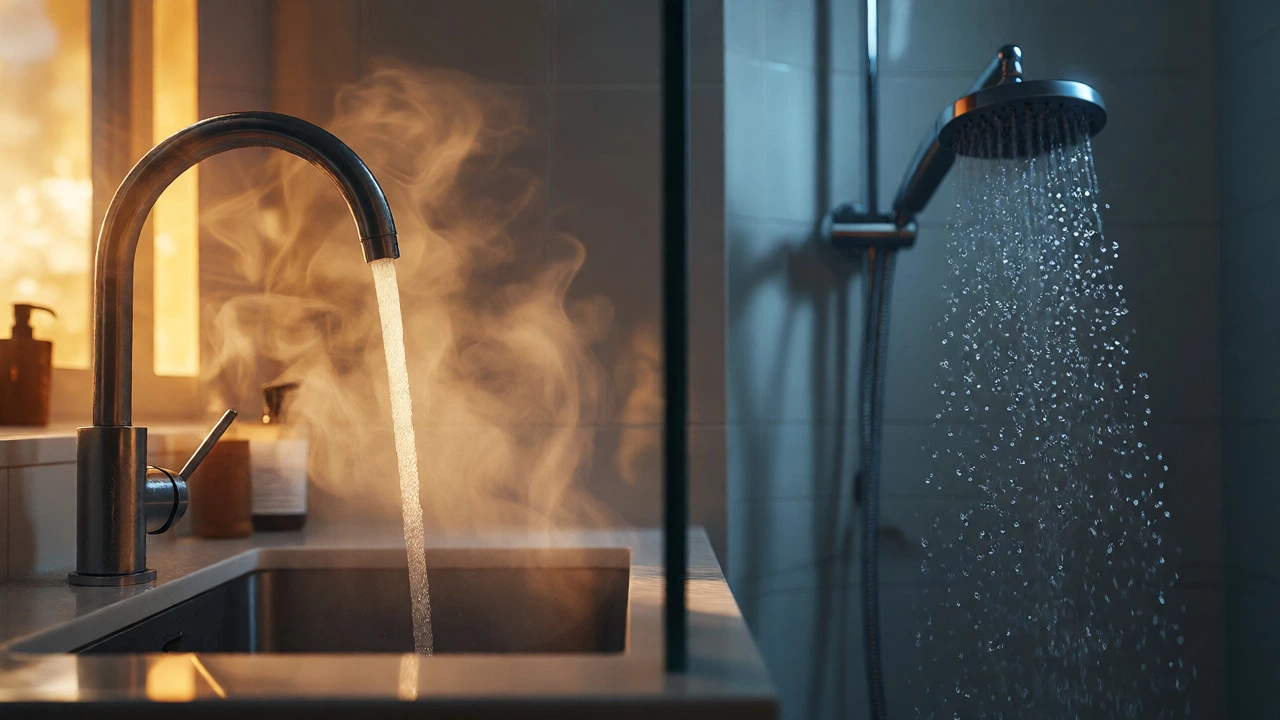
Shower Hot Water Diagnostic Tool
Since your sink has hot water, we know your main heater is working. Let's isolate the issue in your shower fixture.
Do you have a bathtub with a handheld or fixed showerhead attached via a spout?
This determines if a diverter valve is involved.
When running the shower, does pushing/pulling the diverter lever change the temperature or flow?
A stuck diverter often blocks hot water while letting cold through.
Does the water flow seem weak or sputtering before getting cold?
Mineral buildup in aerators can restrict hot water flow specifically.
How does the handle feel when turning it to "Hot"?
Worn ceramic discs or thermostatic cartridges fail partially.
If you turn on ONLY the hot tap in the shower, is the pressure significantly weaker than the cold tap?
Imbalanced pressure prevents hot water from reaching the head effectively.
There is nothing worse than stepping into a freezing shower when you know the rest of your house is toasty warm. You turn on the bathroom tap, and lukewarm water sputters out. Then you walk to the kitchen, turn on the sink, and boom-scalding hot water flows instantly. It feels like a prank played by your own plumbing system. If you are in Dunedin or anywhere else dealing with this specific mismatch, you are not alone. This problem points to a very specific set of issues, usually isolated to the bathroom fixtures themselves rather than your main water heater.
The fact that your sink works proves your boiler or electric cylinder is doing its job. The heat source is fine. The distribution pipes carrying hot water from the heater to the second floor (or across the hall) are likely fine too. So, where does the hot water go missing? It usually gets blocked, diverted, or mixed away before it ever reaches your showerhead. Let’s break down exactly why this happens and how you can fix it without calling a plumber for every little thing.
Check the Diverter Valve First
If you have a bathtub with a shower attachment, the most common culprit is the diverter valve. This small mechanism sits inside the tub spout or on the faucet handle. Its only job is to switch water flow between the tub spout and the showerhead. Over time, mineral deposits from hard water can jam this valve. Sometimes, it gets stuck halfway, allowing cold water through but blocking the hot side due to different pressure balances. Or, the internal seal might degrade, leaking hot water back into the cold line.
Try this simple test: Turn the shower on. While water is running, push up or pull down the diverter lever (depending on your model). If the water suddenly gets hotter, the valve was just stuck. If nothing changes, the internal cartridge might be broken. In many older setups, replacing the diverter is a cheap DIY job. Just make sure to turn off the water supply first. If you have a modern single-lever mixer, the diverter is often integrated into the cartridge itself, which we will discuss next.
The Mixing Valve Cartridge Might Be Failing
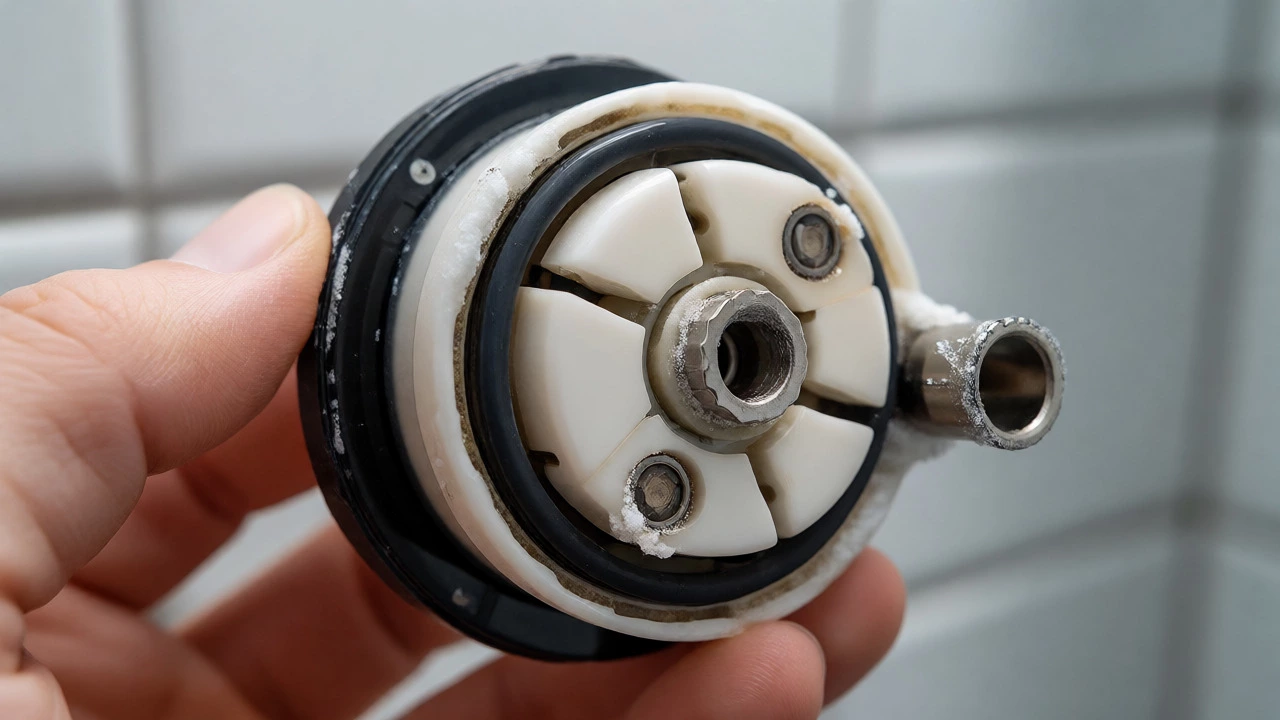
Most modern showers use a mixing valve, often called a thermostatic mixing valve (TMV) or a standard ceramic disc cartridge. These valves blend hot and cold water to achieve your desired temperature. When they fail, they don’t always stop working completely; they often fail partially. A worn-out cartridge might allow cold water to pass freely while restricting hot water flow. This creates a situation where you get plenty of water volume, but it stays cold because the hot inlet is nearly closed off.
You can identify a bad cartridge if the water temperature fluctuates wildly or won’t rise above lukewarm, even when you crank the handle all the way to "hot." Another sign is difficulty adjusting the temperature. If the handle feels loose or gritty, the internal seals are gone. Replacing these cartridges is straightforward for many models. You remove the handle, unscrew the retaining nut, and swap the old cartridge for a new one. Bring the old part to the hardware store to ensure an exact match. Mismatched cartridges can cause leaks or poor temperature control.
| Symptom | Likely Cause | DIY Difficulty |
|---|---|---|
| Hot water only comes out of tub spout, not showerhead | Jammed Diverter Valve | Easy |
| Shower stays lukewarm regardless of setting | Faulty Mixing Cartridge | Moderate |
| Temperature drops when other taps are used | Pressure Imbalance / Flow Restrictor | Hard |
| Hot water takes 5+ minutes to arrive | Long Pipe Run / Insulation Issue | Easy |
Flow Restrictors and Mineral Buildup
Here is a sneaky one that catches people off guard: flow restrictors. Many modern showerheads have built-in aerators or restrictors to save water. If your home has hard water-which is common in parts of New Zealand-mineral scale builds up on these tiny screens. Here is the physics: Hot water carries more dissolved minerals than cold water. As hot water passes through the narrow screen, it cools slightly upon hitting the air, causing minerals to precipitate and clog the mesh specifically on the hot side path if the design separates them initially, or simply reducing overall flow so much that the hot water cannot overcome the cold pressure.
Unscrew the showerhead. Look at the rubber washer or the plastic mesh screen inside. Is it covered in white or green crust? Soak it in vinegar overnight. Scrub it clean with an old toothbrush. If the screen is torn or heavily corroded, replace it. This five-minute task solves surprisingly many "no hot water" complaints. Remember, if the flow rate is too low, the hot water stream gets overpowered by the high-pressure cold water entering the mixer, resulting in a cold shower.
Pressure Balance and Plumbing Layout
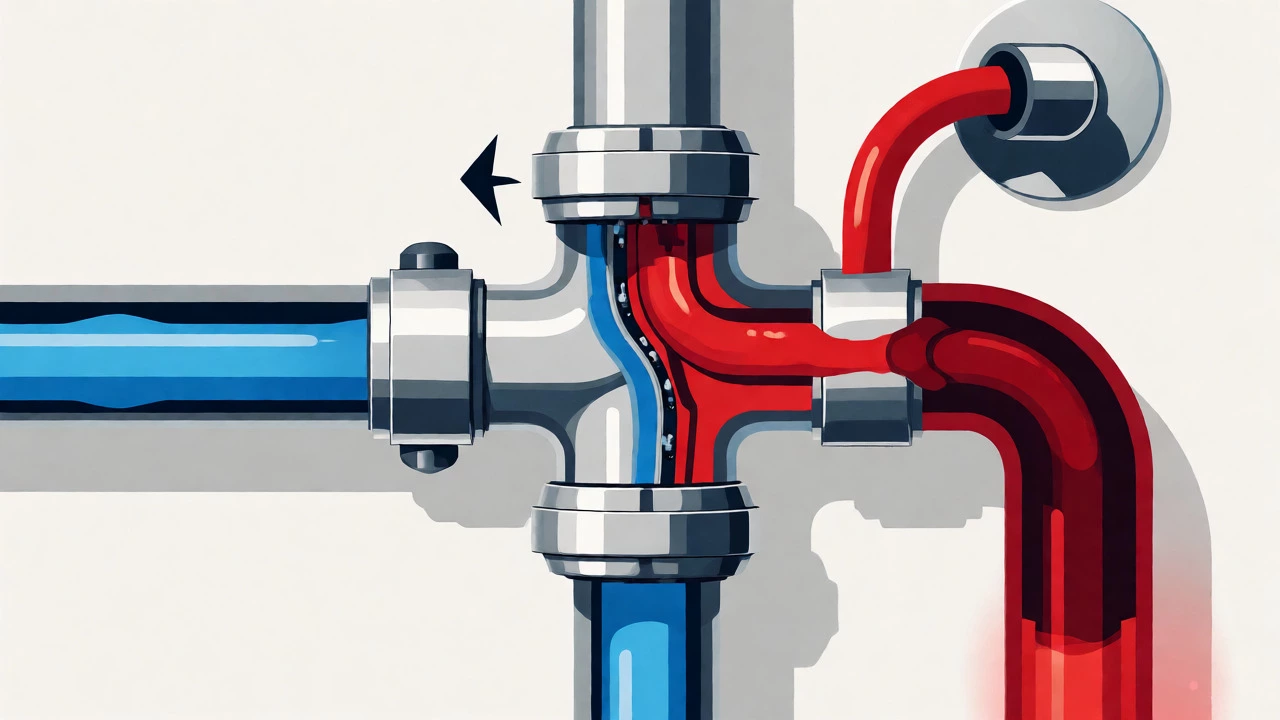
Sometimes the issue isn't a broken part, but a plumbing imbalance. Your shower might be connected to a different branch of piping than your sink. If your house uses a gravity-fed system (common in older homes with header tanks), the hot water tank might be positioned lower than the cold water tank. This creates lower pressure for the hot side. In a shower, which requires significant volume, the higher-pressure cold water pushes back against the weaker hot water flow, preventing hot water from reaching the head effectively. The sink, needing less volume, doesn't suffer as much.
To test this, try turning on the cold tap in the shower while keeping the hot off. Note the pressure. Then turn on the hot only. If the hot pressure is significantly weaker, you have a pressure imbalance. Installing a pressure-balancing shower valve can help equalize this. Alternatively, ensuring your hot water lines are properly insulated can help maintain pressure and temperature over long pipe runs, especially in colder climates like Dunedin winters.
When to Call a Professional
If you have cleaned the showerhead, replaced the diverter, and swapped the mixing cartridge, but still have no hot water, the problem might be deeper. It could be a blockage in the hot water pipe leading specifically to the bathroom wall outlet. This is rare but possible with old galvanized steel pipes that rust internally. Another possibility is a faulty check valve on the hot water line, which prevents hot water from flowing forward.
Also, consider your water heater settings. While the sink works, maybe the recovery rate of your electric water heater is too slow for a long shower. If you take a 10-minute shower, you might deplete the hot water faster than the element can reheat it, whereas a quick hand-wash at the sink doesn't drain the tank enough to notice. Check your thermostat setting. In New Zealand, safety regulations suggest setting electric heaters to around 60°C to prevent Legionella growth, but ensure it's not set too low (below 50°C) which would result in weak hot water performance.
Key Takeaways
- Isolate the Problem: Since the sink works, focus entirely on the shower fixture and immediate plumbing.
- Clean the Showerhead: Remove mineral buildup from flow restrictors using vinegar.
- Test the Diverter: For tub-shower combos, a stuck diverter is the #1 suspect.
- Inspect the Cartridge: Worn mixing valves often fail partially, letting cold in but blocking hot.
- Check Pressure: Low hot water pressure relative to cold can starve the showerhead.
Can I fix a shower diverter myself?
Yes, most diverters are user-serviceable. For external levers, cleaning often helps. For internal cartridges, you need a screwdriver and pliers. Turn off the water supply, remove the trim, and replace the internal O-rings or the whole cartridge. Ensure you buy the exact replacement part by taking the old one to the store.
Why does my shower have cold water but the bath has hot?
This strongly indicates a faulty diverter valve. The valve is failing to direct the hot water mixture up to the shower arm. Instead, it allows the hot water to continue flowing out of the tub spout. Cleaning or replacing the diverter usually resolves this immediately.
Does water hardness affect hot water in showers?
Absolutely. Hard water contains high levels of calcium and magnesium. These minerals deposit as scale inside showerheads and valves. Because hot water holds less dissolved gas and encourages precipitation, scale builds up faster in hot water paths, potentially clogging the small passages in mixing valves or showerhead restrictors, leading to reduced or non-existent hot water flow.
What if the hot water arrives but then goes cold?
If hot water starts and then quickly turns cold, your water heater capacity may be too small for your shower duration, or the heating elements are failing. However, if it alternates hot and cold, it is likely a pressure balance issue or a failing thermostatic cartridge struggling to regulate the mix.
How do I know if my mixing valve is broken?
Signs include inability to reach desired temperatures, sudden temperature swings, or water that remains lukewarm even on the hottest setting. If removing the handle reveals a cracked or worn cartridge with degraded rubber seals, it needs replacement.