Electric Oven Troubleshooting Diagnostic Tool
Select the primary symptom your oven is exhibiting to receive a likely diagnosis, estimated part cost, and recommended next steps.
Diagnostic Result
Likely Cause
Estimated Part Cost
DIY Difficulty
Professional Fee Est.
*Estimates are for parts only. Professional labor typically adds $150–$300. Always disconnect power before inspecting internal components.
You’re halfway through roasting a chicken or baking cookies for the holidays when you notice something’s off. The temperature isn’t climbing. The light is on, but the heat is gone. It’s frustrating, especially when your electric oven seems to die without warning. But before you panic and call a technician for a $150 service fee, take a breath. Most sudden electric oven failures aren’t catastrophic engine meltdowns; they are usually simple electrical trips, blown fuses, or faulty components that are easy to spot if you know where to look.
Check the Power Supply First
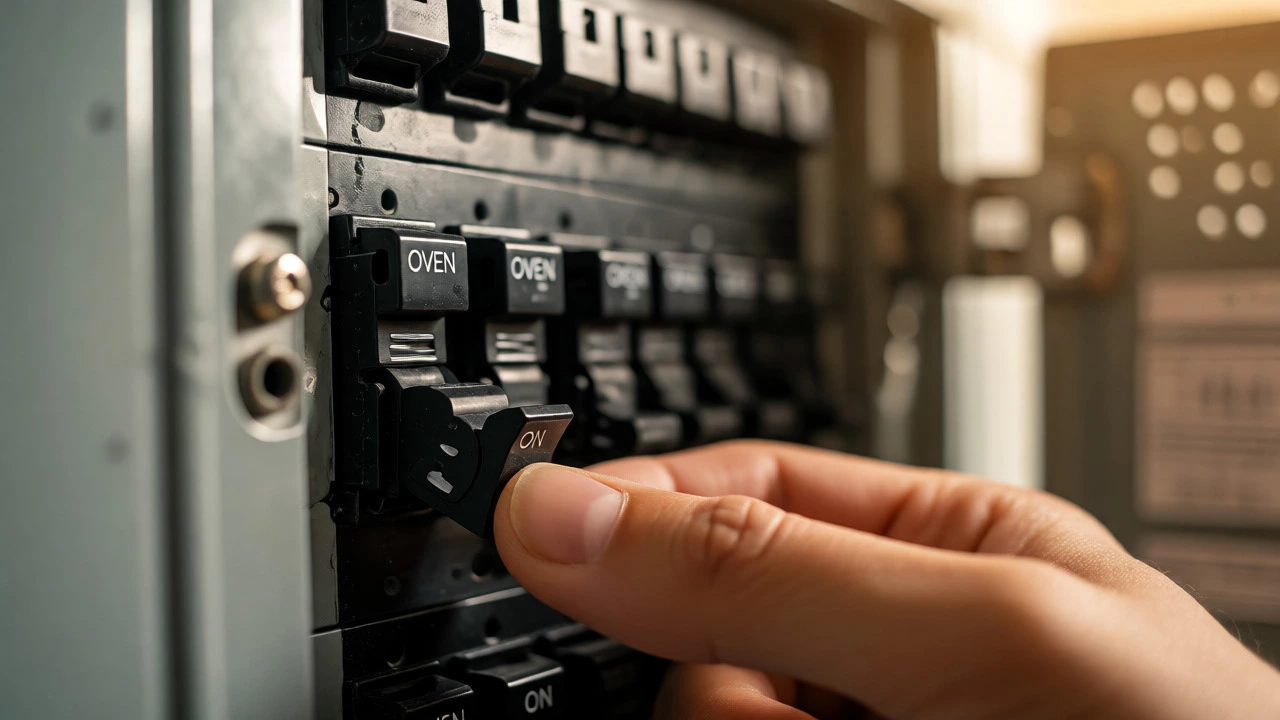
It sounds too basic to be true, but about 30% of "dead" ovens are just unplugged or tripped at the breaker. Start with the obvious. Go to your home’s main electrical panel. Look for the breaker labeled "Oven," "Range," or "Kitchen." If the switch is in the middle position (neither fully ON nor OFF) or looks slightly angled compared to the others, it has tripped. Flip it fully to OFF, then back to ON.
If your oven is plugged into a wall outlet rather than hardwired, check the plug itself. A loose connection can cause intermittent power loss. Also, inspect the power cord for any visible signs of scorching or melting near the plug. If the breaker trips again immediately after resetting, do not keep resetting it. This indicates a short circuit inside the appliance, and you’ll need professional help to avoid fire hazards.
The Thermal Fuse: The Silent Killer
If the oven has power but won’t heat up, the thermal fuse is likely the culprit. This small, inexpensive safety device is designed to blow permanently if the oven overheats. It acts as a fail-safe to prevent fires. When it blows, it cuts power to the heating elements but often leaves the lights and clock working, which confuses many homeowners.
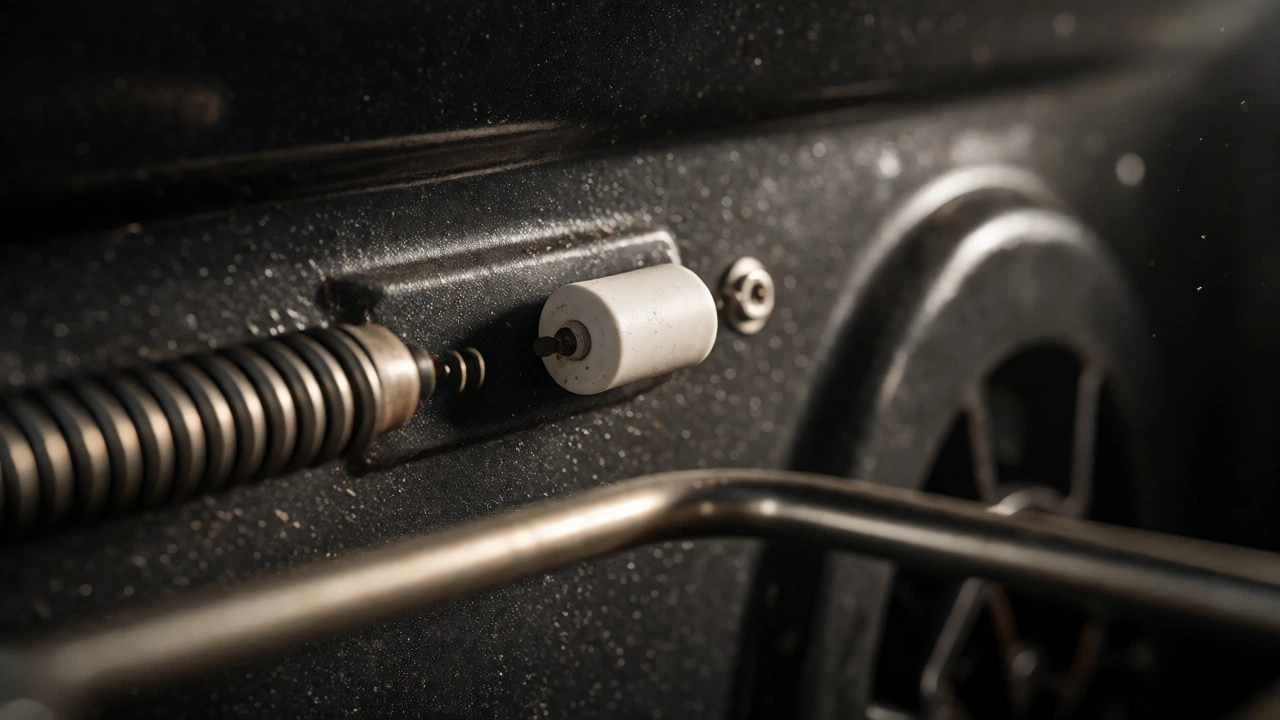
A thermal fuse is a one-time safety component that interrupts the electrical circuit when temperatures exceed a safe limit, typically around 450°F to 500°F depending on the model. You cannot reset it; you must replace it. These parts usually cost between $10 and $20. To test it, you need a multimeter set to continuity mode. Unplug the oven, remove the back panel, locate the fuse (often near the thermostat or on the blower housing), and touch the probes to its terminals. No beep means the fuse is dead and needs replacement.
Inspect the Heating Elements
Your oven relies on two main heating sources: the bake element at the bottom and the broil element at the top. If one works and the other doesn’t, you’ve narrowed down the problem significantly. Visually inspect both elements. They should appear smooth and uniform in color. Look for:
- Blisters or bubbles on the metal surface.
- Visible breaks or gaps in the coil.
- Dark spots indicating burnout.
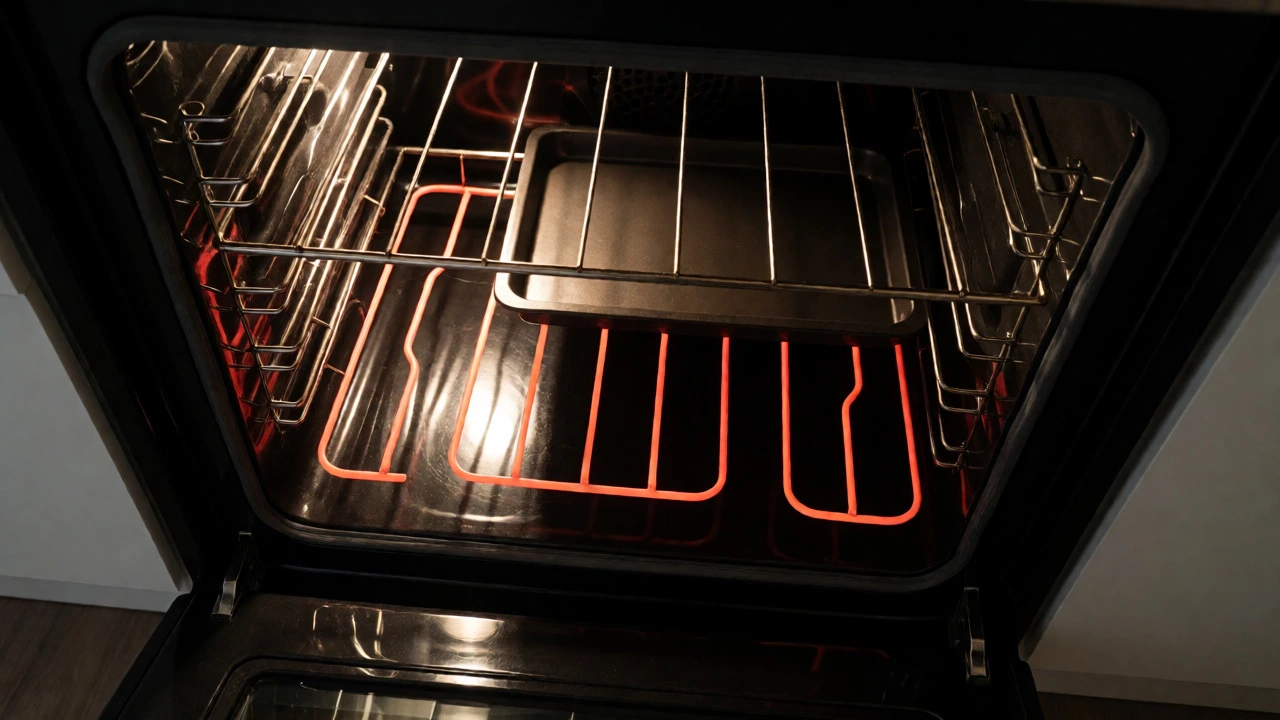
A broken element will not glow red even if the oven calls for heat. Note that some modern ovens have hidden bake elements under the floor pan, so you might need to lift the rack and peek underneath. If an element looks intact but still won’t heat, it could be internally open. Use your multimeter to check for continuity across the element’s terminals. Infinite resistance (OL) means the element is burned out.
Control Board and Keypad Issues
Sometimes the issue isn’t mechanical but digital. If your display is flickering, showing error codes like F1 or E-0, or simply won’t respond to button presses, the electronic control board may be failing. This computer chip manages everything from timing to temperature regulation. Power surges, common during storms, can fry these boards.
Before replacing the expensive control board ($150-$300+), try a hard reset. Turn off the breaker for the oven, wait five minutes, and turn it back on. This clears temporary glitches in the software. If the problem persists, check the keypad membrane. Sticky buttons or cracked plastic can send false signals to the board. Clean the area with mild soap and water, ensuring no moisture gets inside the electronics.
Thermostat Calibration vs. Failure
Does the oven heat up, but the food comes out raw or burnt? Your thermostat might be miscalibrated or faulty. Unlike the thermal fuse, the thermostat regulates temperature continuously. Over time, sensors drift, causing the oven to run 25-50 degrees hotter or colder than displayed.
To verify this, place an independent oven thermometer on the center rack. Set the oven to 350°F. After preheating, check the actual temperature. If it reads 300°F or 400°F consistently, your thermostat needs adjustment or replacement. Many older models allow manual calibration via a knob adjustment behind the dial. Newer digital models require accessing the control panel settings menu, often found in the user manual under "Temperature Offset."
Door Switch and Interlock Problems
This is a sneaky one. Modern electric ovens have a door switch that cuts power to the heating elements when the door is open. If this switch sticks or fails, the oven thinks the door is open even when closed, preventing heat generation.
Test this by pressing the door latch manually while the oven is on. If the interior light turns off and the fan stops, the switch is engaging. If nothing changes, the switch is broken. You can also bypass the switch temporarily with a jumper wire to see if the oven heats. If it does, you need a new door switch, which is another cheap fix ($15-$25).
| Symptom | Likely Cause | DIY Difficulty | Estimated Part Cost |
|---|---|---|---|
| Oven completely dead (no lights/clock) | Tripped Breaker / Blown House Fuse | Easy | $0 |
| Lights work, but no heat | Blown Thermal Fuse | Moderate | $10 - $20 |
| Only bakes OR only broils | Faulty Bake/Broil Element | Moderate | $20 - $50 |
| Erratic temp / Error Codes | Control Board / Keypad | Hard | $150 - $300 |
| Oven runs hot/cold consistently | Bad Thermostat / Sensor | Moderate | $20 - $60 |
When to Call a Professional
While many fixes are DIY-friendly, some situations demand expertise. If you smell gas (in dual-fuel ranges), see sparks inside the cavity, or if the breaker trips repeatedly despite checking all components, stop. High-voltage capacitors in microwave-combo units can hold dangerous charges even when unplugged. Additionally, if your oven is under warranty, opening it yourself might void coverage. Always consult the manufacturer’s support line first.
Preventing Future Breakdowns
Once you get your oven running again, protect it. Avoid using aluminum foil directly on the bottom element, as it reflects heat back onto the sensor and causes overheating. Keep the vent clear of grease buildup. And every six months, clean the door seals to ensure proper insulation, reducing strain on the heating elements.
Can I use my oven if the thermal fuse is blown?
No. A blown thermal fuse cuts power to the heating elements entirely. While the lights and clock may still work, the oven will not generate heat until the fuse is replaced. It is a safety feature, not a convenience part.
How much does it cost to repair an electric oven?
DIY repairs typically range from $10 to $50 for parts like fuses and elements. Professional service fees average $150 to $300, including labor and diagnostics. Major component replacements like control boards can push costs higher.
Why did my oven stop working suddenly?
Sudden failure is usually caused by a tripped circuit breaker, a blown thermal fuse due to overheating, or a failed heating element. Electrical surges can also damage the control board instantly.
Is it worth repairing an old electric oven?
If the repair cost is less than 50% of the price of a new unit and the oven is under 10 years old, it is usually worth fixing. For high-end brands like Wolf or Sub-Zero, repairs are almost always worthwhile due to high replacement costs.
What does error code F1 mean on an oven?
F1 typically indicates a keypad or touchpad failure. It suggests the control board detects a stuck key or a short in the membrane switch. Cleaning the pad or replacing the ribbon cable often resolves this.