Water Heater Troubleshooter & Decision Tool
Repair vs. Replace?
Select a symptom and click "Analyze Issue" to get specific diagnostic advice.
You wake up to a cold shower, or worse, a puddle spreading across your laundry floor. It’s the moment every homeowner dreads: the water heater has quit. But before you panic about the cost of a replacement, take a breath. Most water heater failures aren't catastrophic system collapses; they are specific component breakdowns that are often fixable and predictable. Knowing what usually fails saves you money and stress because you can diagnose the issue before calling a plumber.
The Heating Element: The Silent Killer in Electric Heaters
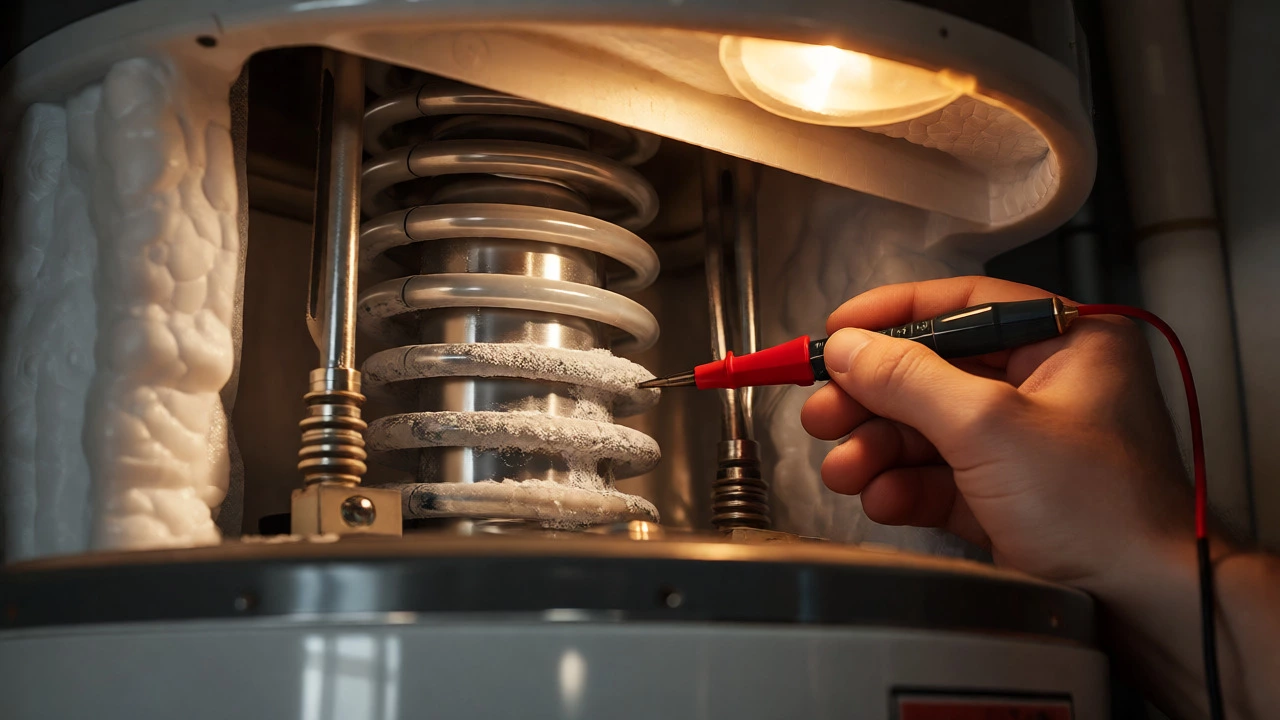
If you have an electric unit, the heating element is likely the culprit. Think of it like the filament in an old lightbulb-it gets hot, works hard, and eventually burns out. There are usually two elements in a standard tank: one at the top and one at the bottom. When the top one fails, you might notice lukewarm water. If the bottom one dies, you get no hot water at all.
Why do they fail? Mineral buildup is the main enemy. In areas with hard water, calcium and magnesium crust over the element. This insulation prevents heat from transferring into the water, causing the element to overheat and snap. You can test this with a multimeter. If it shows no continuity, it’s dead. Replacing an element is a cheap part but requires draining the tank, which adds labor time.
The Anode Rod: Your Tank’s Sacrificial Lamb
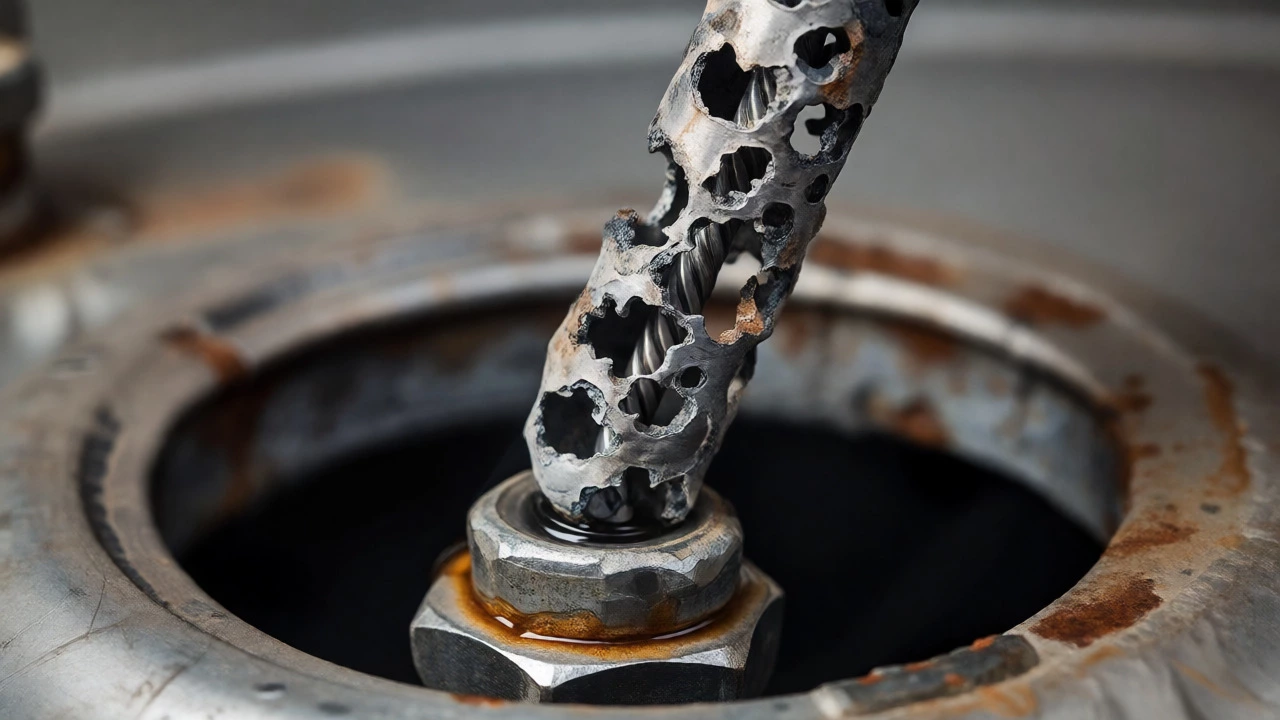
Inside every steel-tank water heater lives a metal stick called the anode rod. Its job is simple: it corrodes so the tank doesn’t. This process is called electrolysis. Over time, the rod eats itself away. Once it’s gone, the rust starts eating the actual steel walls of the tank. This is the silent killer that leads to leaks.
If your heater is older than five years and you’ve never checked the rod, assume it’s spent. A depleted anode rod doesn’t cause immediate failure, but it guarantees one within a year or two. Inspecting it is easy if you’re handy-just unscrew the hex head on top of the tank. If it looks like Swiss cheese or is completely bare wire, replace it immediately. It’s the cheapest insurance policy for your water heater.
Thermostat Malfunctions: Too Hot or Not Enough
Is your water scalding hot or barely warm? Blame the thermostat. These components regulate temperature by cutting power to the elements when the target temp is reached. They can drift out of calibration or fail entirely due to electrical surges or age.
In gas heaters, the thermostat controls the gas valve. If it sticks open, you risk overheating and pressure build-up. If it sticks closed, you get cold water. On electric models, there are usually two thermostats (one per element). A tripped high-limit switch-a safety reset button often hidden behind the access panel-is a common quick fix. Press the red button, wait a few minutes, and see if heat returns. If it trips again immediately, the thermostat or element is faulty.
Leaks: Where Are They Coming From?
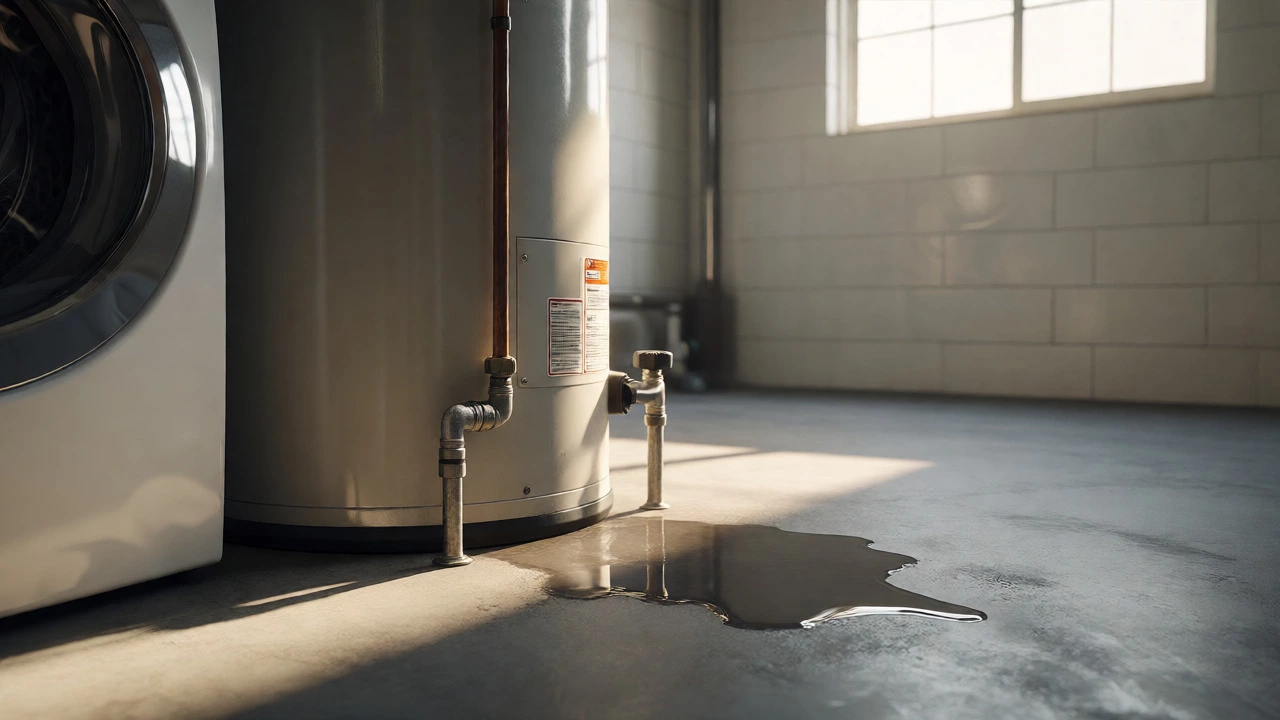
Not all leaks mean the end of the tank. Location matters. Here is how to pinpoint the source:
- T&P Valve (Temperature and Pressure Relief): Located on the side near the top. If it drips occasionally during heating cycles, that’s normal expansion relief. If it streams continuously, the valve is faulty or the pressure is too high. Replace the valve ($15 part) or install an expansion tank.
- Drain Valve: At the bottom. Sediment gets stuck in the seat, preventing a tight seal. Try flushing the tank first. If it still leaks, the valve itself is cracked or worn.
- Inlet/Outlet Connections: Check the pipes connecting to the tank. Loose fittings or degraded Teflon tape cause weeping. Tighten them gently-over-tightening cracks brass fittings.
- The Tank Body: If water seeps from the seam between the inner liner and outer shell, or from the base, the tank is compromised. No repair fixes this. Replacement is the only option.
Gas Burner Issues: Ignition and Flame Problems
For gas units, failure points differ slightly. The igniter or pilot assembly often fails. Modern electronic igniters click rapidly but fail to light the burner when carbon builds up on the sensor. Clean the flame sensor with fine sandpaper or steel wool. Old-school standing pilots go out due to drafts or clogged thermocouples.
A faulty thermocouple won’t signal the gas valve to stay open, shutting off the gas supply after ignition. This is a classic "click-click-hiss-no-light" scenario. Replacing a thermocouple is inexpensive and DIY-friendly for many homeowners.
| Component | Symptom | Likely Cause | Repair Difficulty |
|---|---|---|---|
| Heating Element | No hot water / Lukewarm | Mineral buildup / Burnout | Moderate (Requires drain) |
| Anode Rod | Rusty water / Slow leak | Depletion / Corrosion | Easy (Inspection) |
| Thermostat | Scalding / Cold water | Calibration drift / Failure | Easy to Moderate |
| T&P Valve | Dripping from side pipe | Faulty valve / High pressure | Easy |
| Gas Igniter | Clicking but no flame | Sensor dirt / Component failure | Moderate |
When to Repair vs. Replace
So, how do you decide? Use the "Ten-Year Rule." If your tank is under ten years old and the issue is a component like an element, thermostat, or valve, repair it. Parts cost $20-$100. Labor varies, but it’s usually half the cost of a new unit.
If the tank is over ten years old and leaking from the body, replace it. Patching a rusted steel tank is a temporary band-aid. Also, consider efficiency. New condensing gas or heat pump models use 30-50% less energy. If your current unit is inefficient and nearing end-of-life, replacement pays for itself faster than you think.
Prevention Tips to Extend Lifespan
You don’t want to be Googling "water heater repair" next month. Do these three things annually:
- Flush the Tank: Drain a gallon or two to remove sediment. This protects the bottom element and improves heat transfer.
- Check the Anode: Inspect it every 2-3 years. Replace if more than 50% consumed.
- Test the T&P Valve: Lift the lever once a year to ensure it moves freely and reseals tightly.
Small habits prevent big bills. A well-maintained heater lasts 10-15 years. A neglected one might die at six.
How long do water heater heating elements last?
Typically 8-10 years, but hard water can reduce this to 3-5 years. Regular flushing helps extend their life by preventing mineral coating.
Can I replace an anode rod myself?
Yes, if you have a socket wrench and space above the tank. It’s one of the easiest maintenance tasks. Just turn off the power/gas and cold water supply first.
Why is my water heater making popping noises?
This indicates sediment buildup at the bottom of the tank. Water bubbles through the debris layer, creating noise. Flushing the tank usually solves this problem.
Is it worth repairing a 12-year-old water heater?
Generally, no. If the tank itself is aging, other components will likely fail soon. Replacement is often more cost-effective than repeated repairs on an old unit.
What causes the T&P valve to leak?
High temperature, excessive pressure, or a faulty valve. Thermal expansion without an expansion tank can also cause dripping. Test the valve; if it continues to leak, replace it.