
Fridge Door Seal Checker
The most common refrigerator repair is a faulty door seal. Check your seal using the dollar bill test below to see if you have a leak. This simple test can help prevent higher energy bills and food spoilage.
Check Your Door Seal
Your Seal Status
If your fridge is making strange noises, sweating on the outside, or just won’t stay cold, you’re not alone. In Dunedin, where winters get chilly and groceries need to stay fresh, refrigerators work hard year-round. But when they break, it’s rarely something complicated. The most common repair on a refrigerator isn’t a broken compressor or a faulty control board-it’s the door seal.
Why the Door Seal Fails First
The rubber gasket around your fridge and freezer doors is designed to keep cold air in and warm air out. It’s not fancy. It’s just rubber. But that rubber gets worn down by daily use-opening the door, slamming it shut, kids pulling on it, food containers bumping against it. Over time, it cracks, hardens, or pulls away from the frame.
When the seal fails, cold air escapes. Your fridge has to run longer and harder to keep cool. That means higher electricity bills and more strain on the compressor. You might notice condensation on the outside of the fridge, frost building up inside, or food warming up even though the temperature setting hasn’t changed.
I’ve seen fridges with seals that looked like they’d been chewed by a dog. One family in Port Chalmers had a seal that curled up at the bottom like a taco shell. They kept adjusting the temperature, thinking the thermostat was broken. Turns out, the seal had been leaking for over a year.
How to Check Your Door Seal
You don’t need tools or a multimeter to test your fridge seal. Here’s how to do it in under a minute:
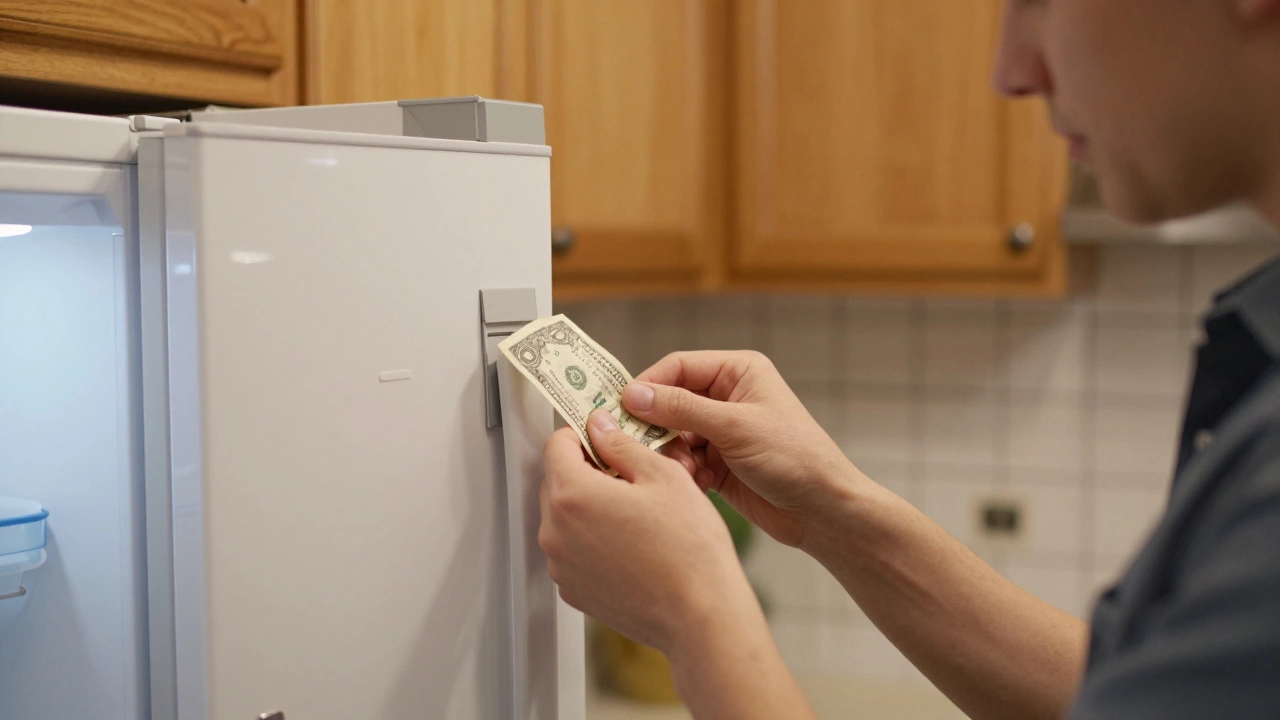
- Close the door on a dollar bill (or a piece of paper) halfway down the seal.
- Try to pull it out. If it slides out easily, the seal is weak.
- Repeat this at four points: top, bottom, left, and right.
- If the paper slips out anywhere, that spot is leaking.
Another sign: if you feel a draft when you run your hand along the edge of the door, that’s cold air escaping. Or if you see frost forming on the inside of the door frame, that’s moisture from warm air hitting cold surfaces-another sign of a bad seal.
Replacing the Seal Yourself
Replacing a door seal is one of the easiest fridge repairs you can do. Most manufacturers sell replacement gaskets online for under $50. You don’t need to be a technician. Here’s how:
- Unplug the fridge.
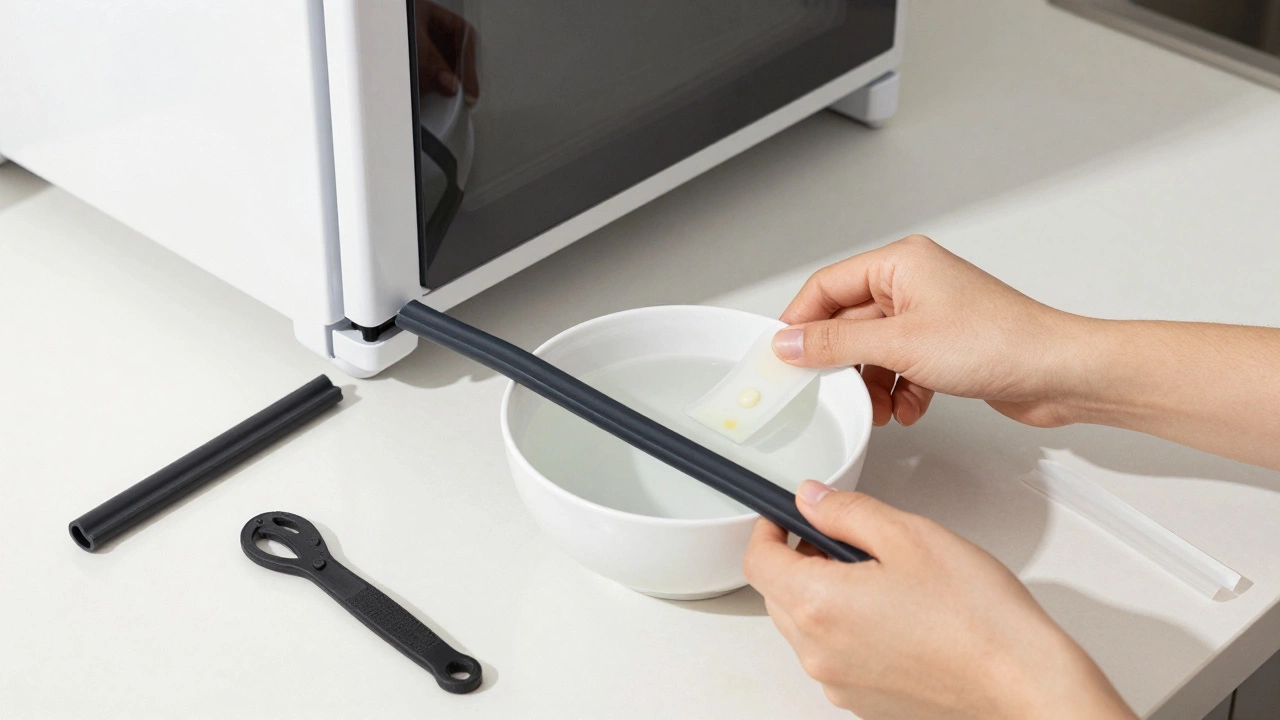
- Remove the old seal by gently prying it off the door frame. Some are held by clips, others by screws-check your manual or look for small screws hidden under the rubber.
- Soak the new seal in warm water for 10 minutes. This makes it more flexible and easier to fit.
- Start at one corner and press the new seal into place. Work your way around slowly, making sure it sits flat against the door.
- Plug the fridge back in and test the seal again with the dollar bill trick.
It takes about 30 minutes. No special tools. No risk of damaging the fridge. And it saves you hundreds compared to calling a repair tech.
Other Common Repairs (And Why They’re Less Frequent)
While the door seal is #1, other problems do pop up. Here’s what else you might see-and why they’re not as common:
- Condenser coils covered in dust: These are the metal coils at the back or bottom of the fridge. If they’re clogged with pet hair or dust, the fridge can’t release heat properly. Cleaning them every six months prevents this. It’s not a repair-it’s maintenance.
- Evaporator fan failure: This fan circulates cold air inside the fridge. If it stops, the freezer might still work, but the fridge compartment gets warm. It’s common in older models, but it’s not as widespread as seal failure.
- Compressor issues: This is the heart of the fridge. If it fails, the whole unit stops cooling. But compressors last 10-15 years. Most fridges don’t live long enough to hit this point. When it does happen, replacement is often more expensive than buying a new fridge.
- Thermostat or control board failure: These are electronic. They can fail, but modern fridges are designed to be reliable. Faulty settings are more often caused by user error than broken parts.
Here’s the truth: most fridge problems are simple. The compressor doesn’t die overnight. The control board doesn’t just stop working for no reason. Usually, it’s something you can fix yourself-or prevent entirely with basic care.
What to Do Before Calling a Technician
Before you pay $150 for a service call, check these three things:
- Is the door seal intact? Use the dollar bill test.
- Are the condenser coils clean? Pull the fridge out, vacuum the coils, and wipe them down.
- Is the fridge level? If it’s tilted forward, the door won’t close properly. Use a spirit level. Adjust the front feet if needed.
These three steps fix 70% of fridge complaints. I’ve walked into homes where the fridge was running constantly, and the fix was just cleaning dust off the coils or tightening a loose door hinge.
When to Replace Instead of Repair
Not every fridge is worth fixing. If your fridge is over 10 years old and you’re facing a compressor issue, it’s usually smarter to replace it. Modern fridges use 40-50% less energy than models from 2010. That adds up over time.
Also, if you’ve had multiple repairs in the last two years-seal, fan, thermostat-it’s time to think about upgrading. Repeated fixes mean the fridge is falling apart. A new one might cost $800, but it’ll save you $100 a year on power bills.
Look for models with an Energy Star rating. They’re quiet, efficient, and come with better door seals built in.
Prevention Is the Best Repair
The best fridge repair is the one you never need to make. Here’s how to keep yours running smoothly:
- Wipe the door seal monthly with a damp cloth. Dust and food crumbs build up there and cause premature wear.
- Keep the fridge at 4°C and the freezer at -18°C. Setting it colder doesn’t make food last longer-it just wastes power.
- Don’t overload the fridge. Air needs to circulate. If you can’t see the back wall, you’ve packed too much in.
- Check the seal every six months. Don’t wait for it to fail.
A little attention goes a long way. Most fridge failures aren’t accidents. They’re the result of years of neglect.
What is the most common repair on a refrigerator?
The most common repair on a refrigerator is replacing the door seal (gasket). Over time, the rubber wears out, cracks, or pulls away from the frame, letting cold air escape. This forces the compressor to work harder, increasing energy use and risking other parts failing. Replacing the seal is cheap, easy, and prevents bigger problems.
How do I know if my fridge seal is bad?
Use the dollar bill test: close the door on a bill and try to pull it out. If it slides out easily, the seal is leaking. You can also feel for drafts along the door edge or look for frost buildup inside the door frame. Condensation on the outside of the fridge is another sign.
Can I replace the fridge seal myself?
Yes. Most replacement seals cost under $50 and come with simple instructions. Unplug the fridge, remove the old seal, soak the new one in warm water for 10 minutes to make it flexible, then press it into place. It takes 30 minutes and no tools. Always test the new seal with the dollar bill trick after installation.
Why is my fridge running all the time?
A fridge running non-stop is usually caused by a bad door seal, dirty condenser coils, or poor airflow inside. Clean the coils, check the seal, and make sure the fridge isn’t overloaded. If it’s still running constantly after these fixes, the thermostat or compressor may be failing.
When should I replace my fridge instead of repairing it?
Replace your fridge if it’s over 10 years old and you’re facing a major repair like compressor failure. Also, if you’ve had three or more repairs in two years, it’s likely falling apart. Newer models use 40-50% less energy, so the long-term savings often outweigh the cost of a new unit.