Washing Machine Repair vs. Replace Calculator
Use this calculator to determine if fixing your current washer is worth it compared to buying a new one.
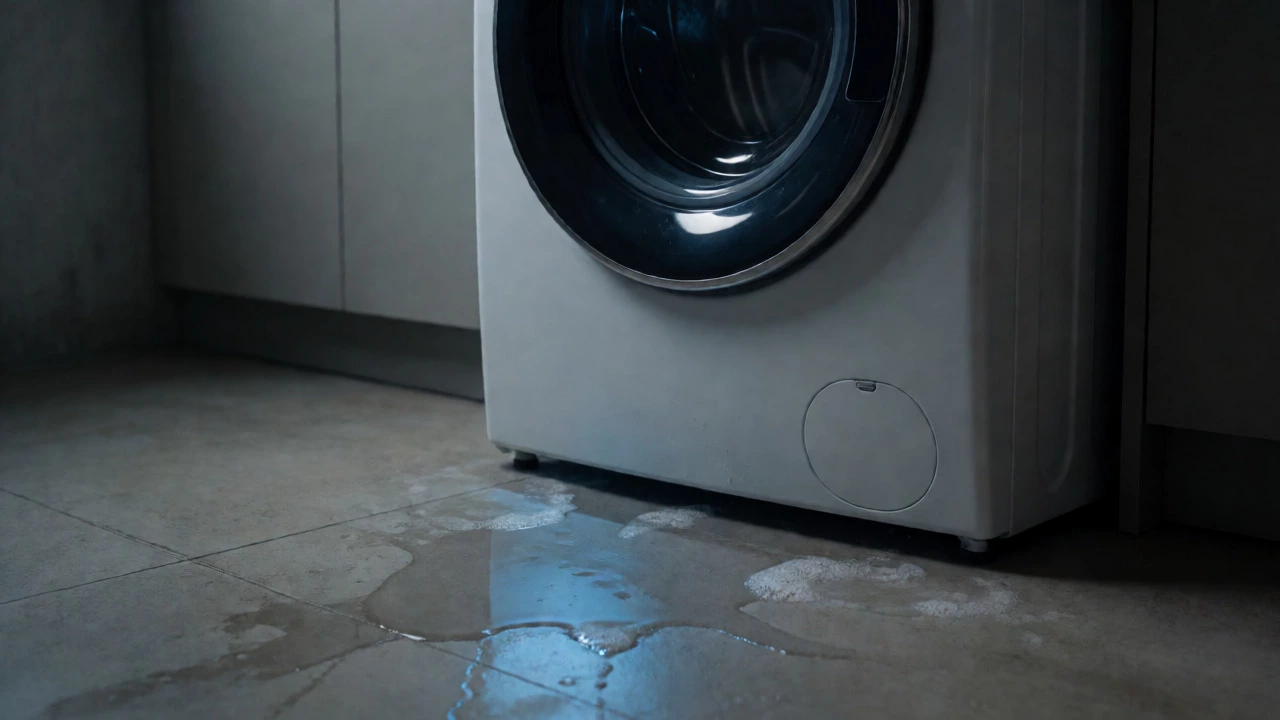
You’re staring at your laundry room floor. There’s a puddle of soapy water spreading from under the drum, and you’re wondering: is this fixable, or has my trusty washer finally kicked the bucket? It’s a question every homeowner faces eventually. But before you call in the cavalry (or the junk hauler), you need to know what actually counts as "old" for these machines. The answer isn’t just about how many years it’s been running; it’s about wear, technology shifts, and whether fixing it makes financial sense.
Quick Summary / Key Takeaways
- The Magic Number: Most modern washing machines are designed to last between 10 and 15 years. Anything over 10 years is entering its twilight phase.
- Repair Threshold: If a repair costs more than 50% of the price of a new unit, and the machine is older than 8-10 years, replacement is usually smarter.
- Signs of Age: Excessive vibration, leaking seals, and failing control boards are common end-of-life indicators.
- Brand Matters: Commercial-grade brands often outlast budget models by several years due to heavier internal components.
The Average Lifespan Reality Check
Let’s cut through the marketing fluff. When manufacturers build a washing machine, they engineer it for a specific cycle count. For most residential units sold today, that target sits around 10 to 12 years of average use. That assumes you’re doing about four loads a week. If you’ve got a large family doing ten loads a week, you’re effectively aging that machine twice as fast. In that scenario, a five-year-old machine might have the wear-and-tear profile of a ten-year-old one.
Older machines, particularly those built before 2010, were often simpler mechanically but less efficient. They didn’t have complex touchscreens or Wi-Fi modules, which means fewer electronic points of failure. However, they also lacked the suspension systems found in newer high-efficiency models. So, while an old-school top-loader might still spin after 15 years, it’s likely rattling enough to wake the neighbors. Is it "old"? Technically, yes. But if it’s still cleaning clothes without flooding the basement, some people argue it’s not dead yet.
In New Zealand, where we tend to hold onto appliances longer than our US counterparts, seeing a 12-year-old front-loader is common. But here’s the catch: parts availability drops off a cliff once a model is discontinued. Manufacturers typically support spare parts for about 7 to 10 years after production stops. If you own a 2014 model and it breaks in 2026, finding a compatible pump or belt might involve scouring second-hand markets rather than ordering from the factory.
When Does "Old" Become "Too Old"?
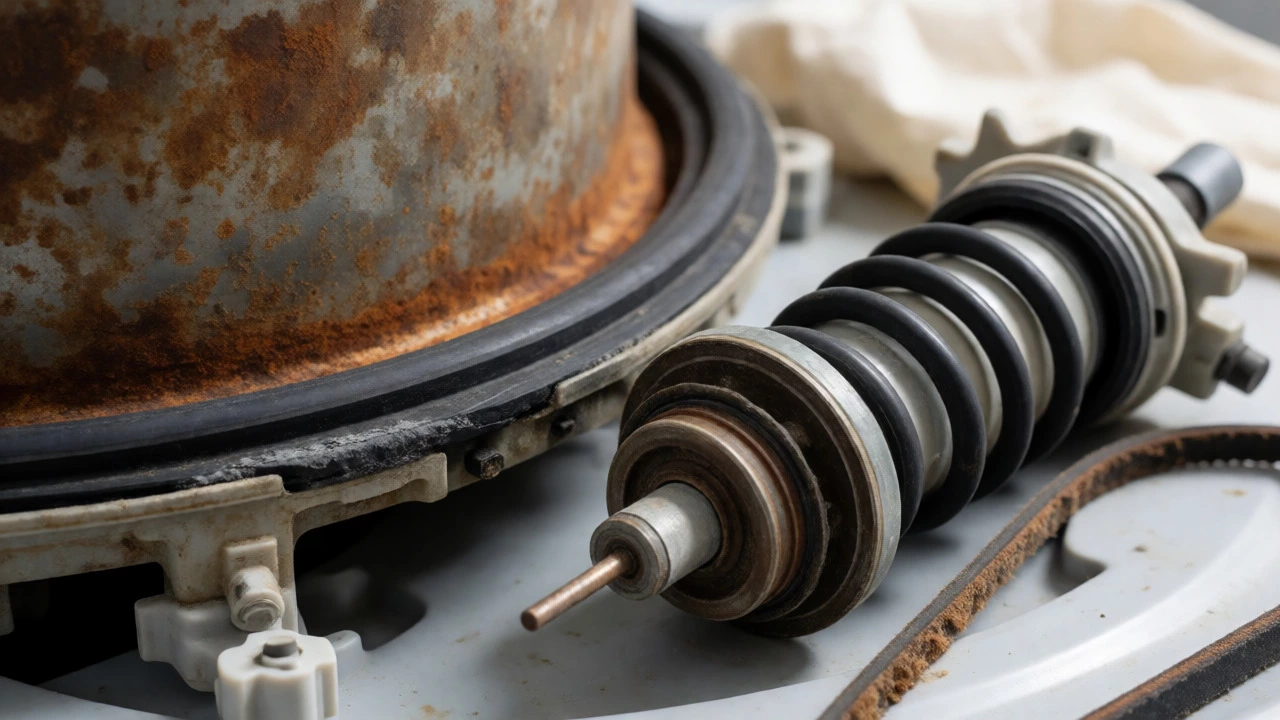
Age alone doesn’t kill a washing machine; failure modes do. You can tell a machine is nearing the end when you start seeing cascading failures. One small leak leads to rust on the outer tub, which then damages the bearings. Suddenly, you aren’t just replacing a $30 seal; you’re looking at a $400 motor replacement because the shaft seized up.
Consider the cost-benefit analysis. Let’s say your machine is nine years old. A technician quotes you $350 for a repair. A new, energy-efficient model costs $900. Is the repair worth it? Probably not. Why? Because other components-like the shock absorbers, springs, and electronics-are likely close to their expiration dates too. You’ll pay $350 now, only to face another $300 bill six months later. At that point, you’ve spent nearly $700 keeping a dying patient alive, whereas $900 would have bought you a healthy newborn with a warranty.
Here’s a rule of thumb I use when advising friends in Dunedin: If the repair quote exceeds 50% of the replacement cost, walk away. If it’s under 30%, go ahead and fix it. Between 30% and 50%, it depends on the brand reliability and how much you like the current machine’s wash quality.
Top Loaders vs. Front Loaders: Longevity Differences
Not all washers age the same way. This is where the type of machine plays a huge role in determining what "old" looks like.
| Feature | Top Loader (Agitator) | Front Loader (HE) | High-Efficiency Top Loader |
|---|---|---|---|
| Average Lifespan | 10-12 Years | 8-10 Years | 10-12 Years |
| Common Failure | Lid Switch, Agitator Dogs | Bearings, Door Seals | Drum Motor, Electronics |
| Repair Cost Trend | Low to Medium | Medium to High | High |
| Maintenance Burden | Low | High (Mold Prevention) | Medium |
Traditional top loaders with agitators are the tanks of the laundry world. They’re simple, robust, and forgiving. You can throw muddy rugby kits in them without worrying about delicate drum suspensions. Because they don’t rely on complex balancing mechanisms, they rarely suffer from catastrophic bearing failures until very late in life. If you have a 15-year-old Kenmore or Whirlpool top loader, it’s probably fine unless the lid switch fails-a cheap and easy fix.
Front loaders, on the other hand, are engineering marvels that hate neglect. They require precise balance, which relies on heavy concrete counterweights and specialized shocks. Over time, those shocks degrade, leading to violent shaking. Worse, the rubber door gaskets trap moisture, inviting mold and mildew. Cleaning that gasket every month isn’t optional; it’s mandatory maintenance. Skip it, and you’ll smell mustiness within two years. By year eight, if you haven’t maintained it, the bearings may be grinding, signaling the end of the road.
Technological Obsolescence: The Silent Killer
Sometimes, a machine isn’t broken-it’s just irrelevant. Modern high-efficiency washers use significantly less water and electricity than models from 2005. An old machine might use 150 liters per load, while a new one uses 50. If you live in an area with expensive water rates, like parts of Auckland or Wellington, the savings on utility bills can justify replacing a functional 10-year-old machine.
Then there’s the smart tech factor. Do you really care if your washer connects to Wi-Fi? Maybe not. But newer models offer better fabric care, shorter cycle times, and steam functions that sanitize clothes without hot water. If your old machine takes three hours to complete a cycle and leaves detergent residue, upgrading isn’t just about age-it’s about performance.
However, don’t let salespeople bully you into buying a "smart" fridge or washer if you don’t want it. Complexity equals fragility. A basic mechanical timer is far more reliable than a touchscreen interface that crashes when the power surges. If your current machine cleans well and runs quietly, technology alone isn’t a reason to scrap it.
Signs Your Washing Machine Is Ready for Retirement
How do you know if yours is truly done? Look for these red flags. If you see two or more of these, start shopping for a replacement.
- Excessive Shaking: If the machine walks across the floor during the spin cycle, the suspension system is shot. Replacing shocks is cheap, but if the drum is unbalanced due to worn bearings, it’s expensive.
- Leaks from Underneath: Small leaks can be fixed. Large pools of water indicate cracked tubs or failed pumps. On older plastic tubs, cracks are often irreparable.
- Grinding Noises: A loud rumble or screech during spin usually means the rear bearings have failed. This is a major repair, often costing half the price of a new machine.
- Electronics Glitching: If buttons don’t respond, cycles stop randomly, or error codes appear constantly, the main control board is dying. These boards are proprietary and pricey.
- Rust Inside the Drum: Surface rust is cosmetic. Rust flakes falling onto your clothes mean the stainless steel drum lining is compromised. You can’t fix this.
One subtle sign is the smell. If you run a cleaning cycle with vinegar or bleach and the machine still smells sour after drying, mold has penetrated deep into the inner tub channels. On many front-loaders, you can’t access these areas for thorough cleaning. Once that happens, no amount of scrubbing will save it.
Extending the Life of Your Current Machine
If your machine is under 10 years old, you can push it further with proper care. Most breakdowns happen because users ignore minor issues. Here’s how to keep your washer young:
- Leave the Door Open: After every load, leave the front loader door ajar. This allows airflow to dry the gasket and prevent mold growth.
- Clean the Filter Monthly: Coins, buttons, and lint clog the drain pump filter. A clogged filter forces the pump to work harder, leading to premature burnout.
- Use the Right Detergent: High-efficiency (HE) machines need low-suds detergent. Using regular soap creates excess foam that confuses sensors and leaves residue inside the drum.
- Don’t Overload: Stuffing the drum prevents clothes from tumbling properly. This strains the motor and causes uneven wear on the suspension springs.
- Level the Feet: Use a spirit level to ensure the machine is perfectly flat. Unlevel machines vibrate excessively, loosening internal connections over time.
Regular maintenance won’t make a 15-year-old machine last forever, but it can definitely get you past the 12-year mark without major repairs. Think of it like changing the oil in your car. It doesn’t stop the engine from aging, but it keeps it running smoothly until it does.
Environmental Impact: To Scrap or Not to Scrap?
There’s an ethical angle here too. Manufacturing a new washing machine consumes significant resources-steel, copper, plastics, and rare earth metals for motors. Throwing away a functioning 10-year-old machine just to get a slightly more efficient one creates unnecessary waste. If your current unit works, consider keeping it until it truly fails. When it does break, recycle it properly. Many councils in New Zealand offer appliance collection services that ensure metals are recovered and refrigerants (if applicable) are disposed of correctly.
On the flip side, holding onto a wildly inefficient machine wastes water and electricity for years. Calculate the difference. If your old washer uses double the water of a new one, and you do 300 loads a year, you’re wasting thousands of liters annually. Sometimes, the environmental benefit of upgrading outweighs the manufacturing cost of the new unit.
Is a 10-year-old washing machine worth repairing?
It depends on the repair cost. If the repair is under $200 and the machine is otherwise reliable, yes. If the repair is over $350, especially for a front-loader, it’s often better to replace it, as other components are likely to fail soon.
Which lasts longer, top loaders or front loaders?
Generally, traditional top loaders with agitators last longer (10-12+ years) because they have simpler mechanics. Front loaders are more prone to bearing and seal issues, often requiring major repairs around the 8-10 year mark.
Can I extend the life of my old washing machine?
Yes. Regularly clean the drain filter, leave the door open to dry, avoid overloading, and use the correct HE detergent. These steps prevent strain on the motor and pump, potentially adding several years to its lifespan.
What are the signs a washing machine is dying?
Key signs include excessive shaking, loud grinding noises during spin cycles, persistent leaks, rust flakes in clothes, and frequent electronic errors or unresponsive controls.
Should I replace a working 12-year-old washing machine?
Only if it’s extremely inefficient. If it uses excessive water or electricity compared to modern standards, upgrading saves money long-term. Otherwise, if it cleans well and doesn’t leak, keep using it until it breaks.