Appliance Service vs. Replacement Cost Estimator
Enter your appliance details below to determine if professional servicing is a better investment than replacement. This tool considers repair costs, replacement prices, and potential energy savings.
Recommendation
Financial Breakdown
- Repair Cost $0
- Replacement Cost $0
- Payback Period (Years) N/A
Key Factors
Age Factor: -
Cost Ratio: -
Efficiency Gain: -
You’ve probably had that moment. Your washing machine starts making a weird grinding noise, or the fridge isn’t quite as cold as it used to be. You call a technician, expecting a fix. But when they arrive, they don’t pull out a wrench immediately. Instead, they clean the coils, check the seals, and tighten connections. They tell you this is an appliance service, not a repair.
This distinction confuses a lot of homeowners. Is there really a difference between fixing something broken and servicing something that still works? Absolutely. And understanding it can save you hundreds of dollars in emergency calls and premature replacements. Think of it like your car. You wouldn’t wait for the engine to blow up before changing the oil. Appliances work the same way. Regular care keeps them running efficiently and safely.
| Feature | Appliance Repair | Appliance Service |
|---|---|---|
| Trigger | Breakdown or malfunction | Scheduled interval or preventive need |
| Goal | Restore function | Maintain efficiency and safety |
| Cost | Higher (emergency rates, parts) | Lower (routine labor, minor parts) |
| Downtime | Unplanned, often inconvenient | Planned, minimal disruption |
Why Routine Care Beats Emergency Fixes
When we talk about appliance service, we’re referring to proactive maintenance performed by qualified technicians to ensure devices operate at peak performance. This isn’t just about cleaning lint traps. It involves checking electrical components, testing gas lines, lubricating moving parts, and verifying that safety mechanisms are intact.
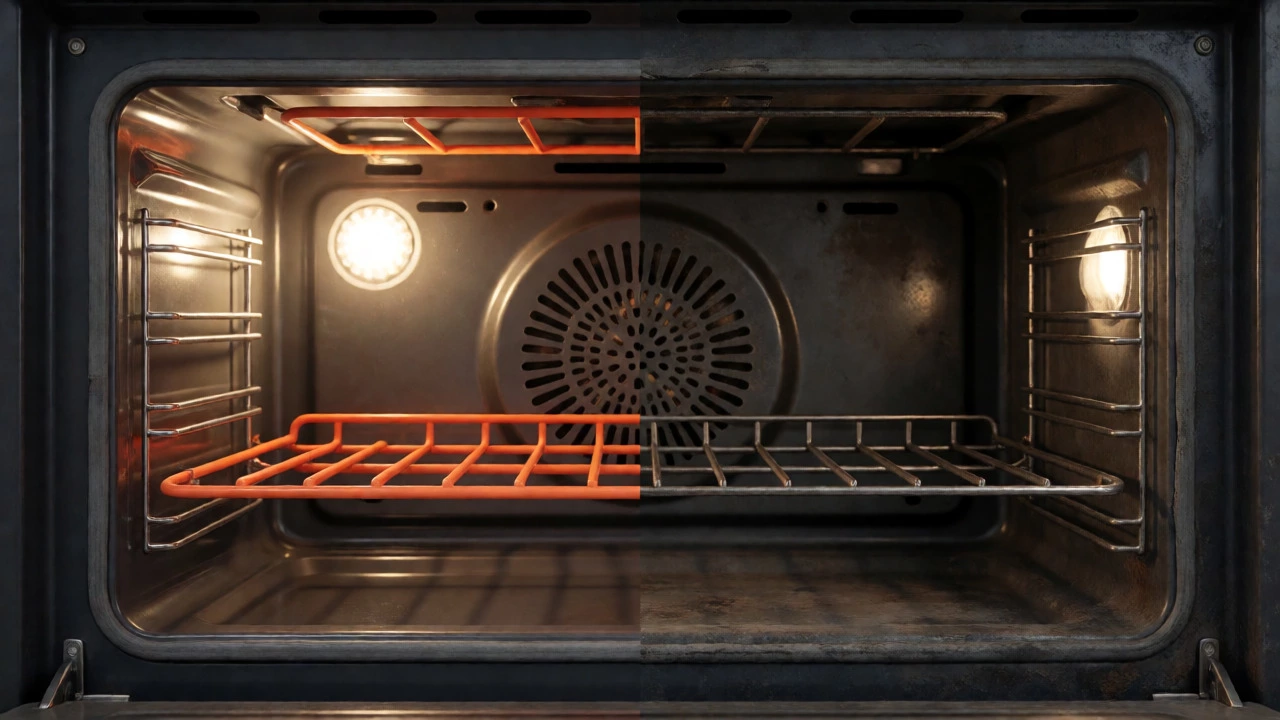
Consider your oven. Over time, grease builds up on heating elements, and door seals degrade. If you ignore this, the oven uses more energy to reach temperature, cooking times increase, and uneven baking becomes common. A simple service visit cleans these areas and replaces worn seals. Compare that to waiting until the heating element burns out completely. Now you’re paying for a new part, plus higher labor costs because the job is harder to access once debris has hardened.
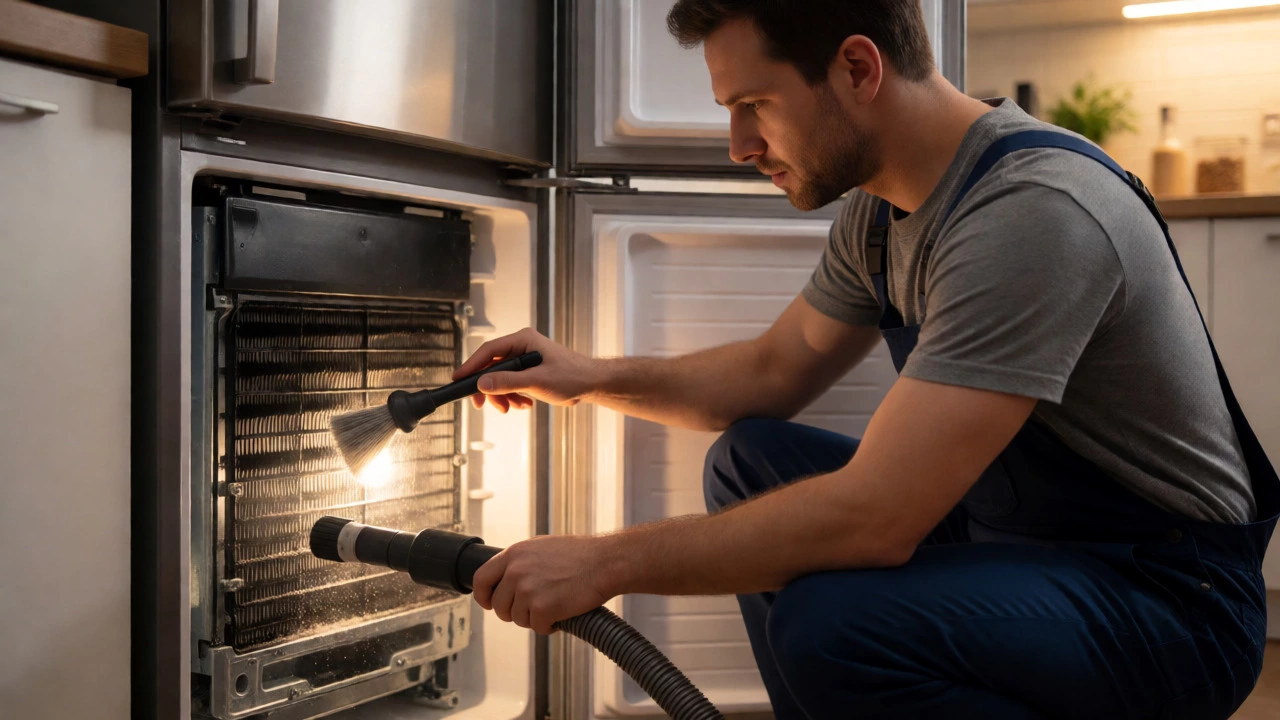
Data from consumer reports suggests that well-maintained appliances last significantly longer than those left to their own devices. For instance, a serviced refrigerator can maintain its factory efficiency rating for years longer than one where condenser coils remain clogged with dust. That dust acts like insulation, forcing the compressor to work harder, which leads to overheating and eventual failure.
The Hidden Costs of Skipping Service
Neglecting maintenance doesn’t just risk a breakdown; it impacts your utility bills and home safety. Inefficient appliances consume more electricity or gas. A dryer with a blocked vent system, for example, might take two cycles to dry clothes instead of one. That doubles the energy cost per load. Multiply that by weekly laundry over five years, and the waste adds up quickly.
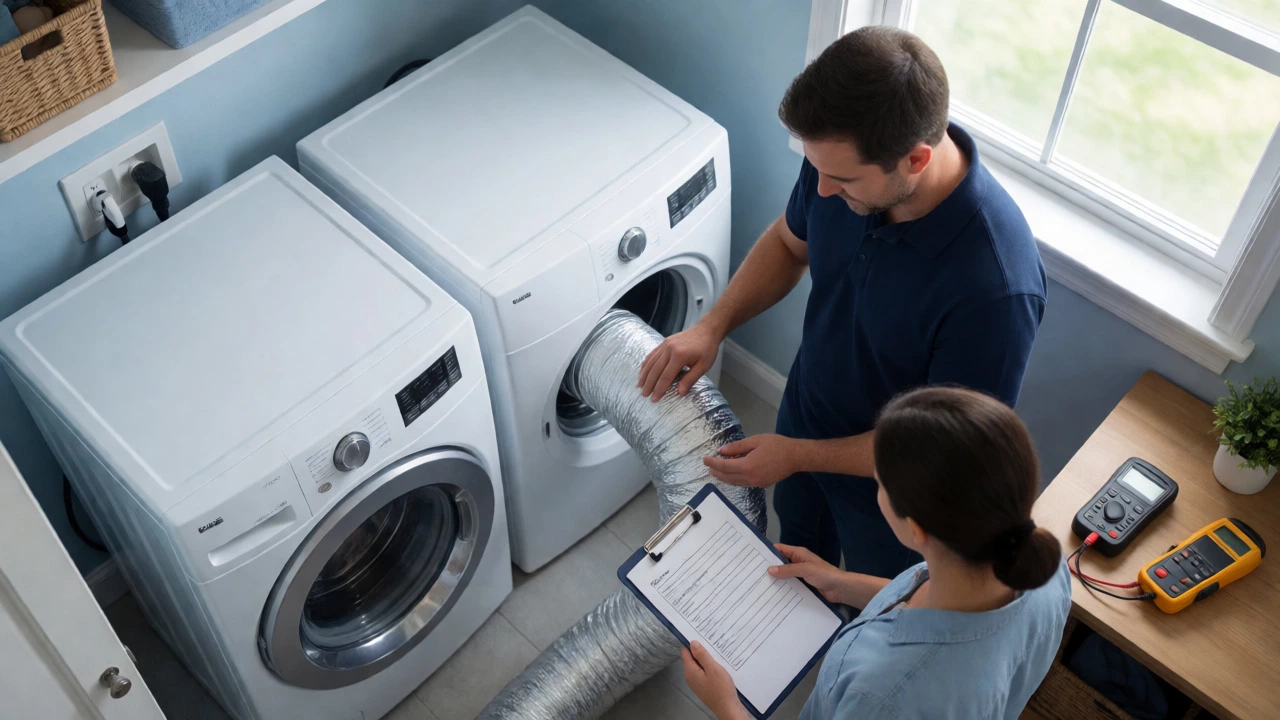
Safety is another major factor. Gas appliances require annual checks to detect leaks or carbon monoxide buildup. Electric appliances need inspections for frayed cords or loose wiring that could spark fires. These aren’t things you can easily spot yourself without specialized tools. A technician brings thermal cameras, multimeters, and gas detectors to catch issues invisible to the naked eye.
- Energy Waste: Dirty filters and coils can reduce efficiency by 15-30%.
- Safety Hazards: Unchecked gas lines pose explosion risks; faulty wiring causes fire hazards.
- Resale Value: Documented service history increases home value during inspections.
Which Appliances Need Professional Attention?
Not every gadget needs a pro. Changing a lightbulb in your toaster? DIY. But complex machines with motors, compressors, or combustion chambers benefit from expert eyes. Here’s how to prioritize:
Refrigerators and Freezers
These run 24/7, so wear accumulates constantly. Technicians check refrigerant levels, clean condenser coils, and inspect door gaskets. If your fridge runs hot to the touch or makes loud humming noises, it’s screaming for attention.
Ovens and Ranges
Gas ranges need burner cleaning and ignition testing. Electric ovens require element inspection and thermostat calibration. Ignoring these leads to undercooked food or dangerous gas accumulation.
Washing Machines and Dryers
Lint buildup in dryers is a leading cause of house fires. Washing machines develop mold in seals and hoses due to moisture retention. Professionals disassemble drums, clean internal filters, and check belt tension.
Dishwashers
Hard water deposits clog spray arms and filters. Technicians descale components and check pump functionality. This prevents standing water and foul odors.
DIY vs. Professional Service: When to Call a Pro
You might wonder if you can handle some tasks yourself. Sure, basic cleaning helps. Wiping down surfaces, emptying lint traps, and running cleaning cycles are great habits. But true service goes deeper.
If you hear unusual noises, smell burning, or notice inconsistent temperatures, stop DIY-ing. Attempting to open sealed systems or disconnect gas lines without training voids warranties and risks injury. Plus, manufacturers often require proof of professional servicing to honor extended warranties.
| Appliance | Professional Check | Homeowner Tasks |
|---|---|---|
| Refrigerator | Every 12-18 months | Clean coils quarterly, check seals monthly |
| Washing Machine | Every 2 years | Clean filter monthly, leave door ajar after use |
| Dryer | Annually (vent cleaning) | Clean lint trap every load |
| Oven/Stove | Annually | Deep clean interior monthly |
| Dishwasher | Every 18 months | Run vinegar cycle monthly |
What Happens During a Typical Service Visit?
A standard appointment lasts 30 to 60 minutes per appliance. The technician arrives with tools and diagnostic equipment. First, they perform a visual inspection for damage or wear. Then, they run operational tests-checking temperatures, spin speeds, or flame patterns.
Next comes the physical maintenance. This might involve removing panels, vacuuming internal components, tightening screws, or replacing filters. For gas units, they’ll test pressure and check for leaks using soap solution or electronic detectors. Finally, they provide a report detailing what was done and any potential future concerns.
Think of it as a health checkup for your home’s machinery. You walk away knowing exactly how your appliances are performing and whether any parts are nearing end-of-life.
How to Choose a Reliable Technician
Not all service providers are equal. Look for certifications relevant to your region. In New Zealand, for example, registered electricians and gasfitters must hold current licenses. Ask for proof of insurance and liability coverage. This protects you if accidental damage occurs during the visit.
Check reviews specifically mentioning punctuality and transparency. Did the technician explain the issue clearly? Were there hidden fees? Good companies offer upfront pricing estimates. Avoid firms that quote vague ranges without inspection.
Also, consider whether they specialize in specific brands. Some manufacturers have proprietary technology requiring specialized knowledge. A general handyman might miss subtle signs of failure that a brand-certified tech would catch immediately.
Extending Lifespan Through Smart Habits
Beyond professional visits, small daily choices matter. Don’t overload washing machines; it strains motors. Keep fridge vents clear for airflow. Use the correct detergent type for high-efficiency washers to prevent suds overflow. These habits complement professional service, creating a comprehensive care strategy.
Remember, appliances are investments. Replacing a dishwasher costs $600-$1,200. Servicing it costs $80-$150 annually. The math favors maintenance every time. Plus, modern appliances are increasingly complex with digital interfaces. Repairs become expensive and difficult as boards fail. Keeping the mechanical side healthy buys you time before facing costly electronic replacements.
Is appliance service worth it for older machines?
It depends on the age and condition. If your appliance is less than 10 years old and mechanically sound, service is usually worthwhile. However, if repairs exceed 50% of the replacement cost, buying new is often smarter. A technician can help you make this calculation based on current energy efficiency standards versus your unit's consumption.
Can I do appliance service myself?
You can perform basic upkeep like cleaning filters and wiping surfaces. However, internal diagnostics, electrical testing, and gas line inspections require professional tools and expertise. Attempting deep cleaning on sealed units can sometimes cause more harm than good if you aren't trained in proper reassembly.
How often should I service my washing machine?
A full professional service is recommended every two years. Monthly homeowner tasks include cleaning the pump filter and leaving the door open to dry. If you have hard water, you may need descaling treatments more frequently to prevent mineral buildup in the heater and pipes.
Does service cover warranty claims?
Many manufacturers require proof of regular maintenance to validate extended warranties. If you skip scheduled services, they might deny claims related to wear-and-tear components. Always keep receipts and service logs to protect your warranty status.
What does a typical service cost?
Costs vary by location and appliance complexity. Expect to pay between $80 and $150 for a standard single-appliance check. Bundling multiple appliances into one visit often reduces the hourly rate. This is far cheaper than emergency repair calls, which can start at $150-$200 plus parts.