Longest Washing Machine Lifespan
When it comes to washing machine lifespan, the period a washer stays reliable before a major breakdown. Also called appliance longevity, it is heavily influenced by washing machine maintenance, regular cleaning, filter checks, and part inspections and repair cost decisions, whether you fix a faulty part or replace the whole unit. Understanding these factors helps you stretch that longest washing machine lifespan you can realistically expect.
First, schedule a simple drum clean every few months. Empty the washer, run a hot cycle with white vinegar, and wipe the rubber seal. Regular drum cleaning extends washing machine lifespan by preventing mold and odour buildup that can corrode internal components. Next, check the inlet filters for lint or sediment. A clogged filter forces the pump to work harder, which increased pump strain reduces overall appliance longevity. By clearing the filters, you keep water flow smooth and lower energy usage.
Second, keep an eye on the balance of your loads. Overloading or under‑loading creates uneven spin cycles, causing the suspension springs to wear out faster. Balanced loads improve spin efficiency and reduce wear on bearings. If you notice excessive vibration, pause the cycle, redistribute the laundry, and make sure the machine sits level on the floor. Adding anti‑vibration pads can also minimize structural stress and protect the motor.
Third, weigh repair cost against the age of the washer. A typical front‑loader lasts 10‑12 years with proper care. If a major component like the drum motor fails after seven years, compare the part price plus labour to the cost of a new, energy‑efficient model. Repair decisions affect overall appliance longevity because repeated fixes on an aging unit can add up quickly and still leave you with high running costs.
Fourth, consider energy‑efficient settings. Modern washers have eco‑mode cycles that use lower temperatures and less water. Running these cycles not only cuts your bill but also reduces thermal stress on seals and hoses, which helps the machine stay functional longer. If you have hard water, install a water softener or use a descaling agent once a year. Hard water deposits accelerate wear on the heating element and can shorten the machine’s effective lifespan.
Finally, keep records of service visits and DIY fixes. A simple log of dates, symptoms, and parts replaced gives you a clear picture of wear patterns. When you notice recurring issues, it’s a sign that the washer may be nearing the end of its useful life. Armed with this data, you can make an informed choice about replacement timing, ensuring you don’t over‑invest in a machine that’s close to retirement.
Below you’ll find a curated set of articles that dig deeper into each of these topics – from step‑by‑step maintenance guides to cost‑comparison tools for repair versus replacement. Use them to turn the knowledge above into real‑world results and get the most out of your washing machine for years to come.
Oct 19, 2025
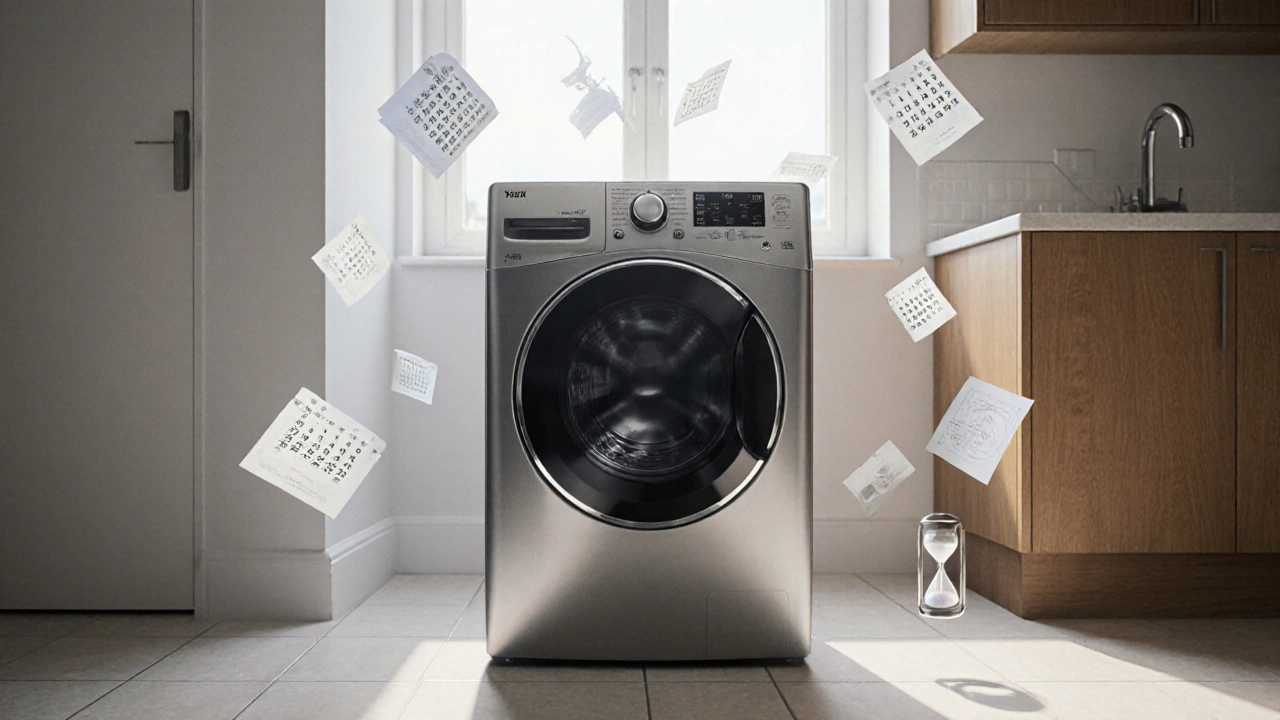
Longest Average Washing Machine Lifespan - How Long Do They Really Last?
0 Comments
Discover how long washing machines typically last, factors that extend their life, and when to repair or replace. Practical tips and a lifespan comparison included.
Read More