HVAC Repair: Essential Tips for Home Comfort
When talking about HVAC repair, the process of fixing heating, ventilation, and air‑conditioning systems to restore comfort and efficiency. Also known as HVAC maintenance, it keeps indoor climates stable and energy bills low. A typical system includes a heat pump, a device that moves heat between indoor and outdoor spaces, a boiler, a closed‑loop unit that heats water for radiators or under‑floor systems, a water heater, an appliance that stores and heats domestic hot water, and often an extractor fan, a venting device that removes moisture and odors from kitchens or bathrooms. Understanding each part’s role helps you spot problems faster.
Why does HVAC repair matter? A malfunctioning heat pump can leave your living room freezing in winter and sweltering in summer – a clear sign that the system’s heat‑transfer cycle is broken. When a boiler trips its safety valve, whole‑house heating can disappear overnight, forcing you to bundle up. A water heater that constantly resets is a red flag for sediment buildup or a failing thermostat, which can waste energy and water. And a silent extractor fan often means a clogged motor or a broken blade, leading to damp walls and mold growth. These issues are not isolated; a failing component influences overall system performance, increases energy consumption, and can cause secondary damage to other parts. In short, HVAC repair encompasses heat pump troubleshooting, boiler servicing, water‑heater diagnostics, and fan maintenance. Addressing the root cause early saves money and keeps your home comfortable.
DIY Fixes vs. Calling a Professional
If you enjoy rolling up your sleeves, many small problems are safe to tackle yourself. Resetting a water heater’s thermal cut‑off, clearing debris from an extractor fan, or checking a thermostat’s wiring are often quick fixes. The key is safety: always turn off power at the breaker, shut off gas lines where applicable, and use the correct tools. For heat pumps, you can inspect the outdoor unit for ice buildup, clean the filters, and verify that the refrigerant lines aren’t visibly damaged. However, when you encounter error codes on a boiler’s display, hear a hiss from a pressure valve, or suspect a refrigerant leak in a heat pump, it’s time to call a certified technician. Professional HVAC specialist, a trained expert who can diagnose, repair, and certify heating and cooling systems has the tools and knowledge to handle high‑pressure refrigerants, gas connections, and electrical components safely.
Regular maintenance is the backbone of reliable HVAC repair. Setting a calendar reminder for annual boiler servicing, seasonal heat‑pump cleaning, and bi‑annual water‑heater flushing can prevent most emergencies. When you combine proactive upkeep with quick DIY checks, you reduce the odds of a sudden breakdown. This approach also extends the lifespan of each component – a well‑maintained heat pump can run 15‑20 years, while a boiler that receives yearly tune‑ups often lasts beyond a decade.
Below you’ll find a curated collection of articles that dig deeper into each of these topics. Whether you need step‑by‑step guides for resetting a water heater, troubleshooting a heat‑pump malfunction, or deciding when to replace an old boiler, the posts are organized to give you clear, actionable advice. Browse through, pick the guide that matches your current issue, and get your home back to its comfortable best.
Oct 13, 2025
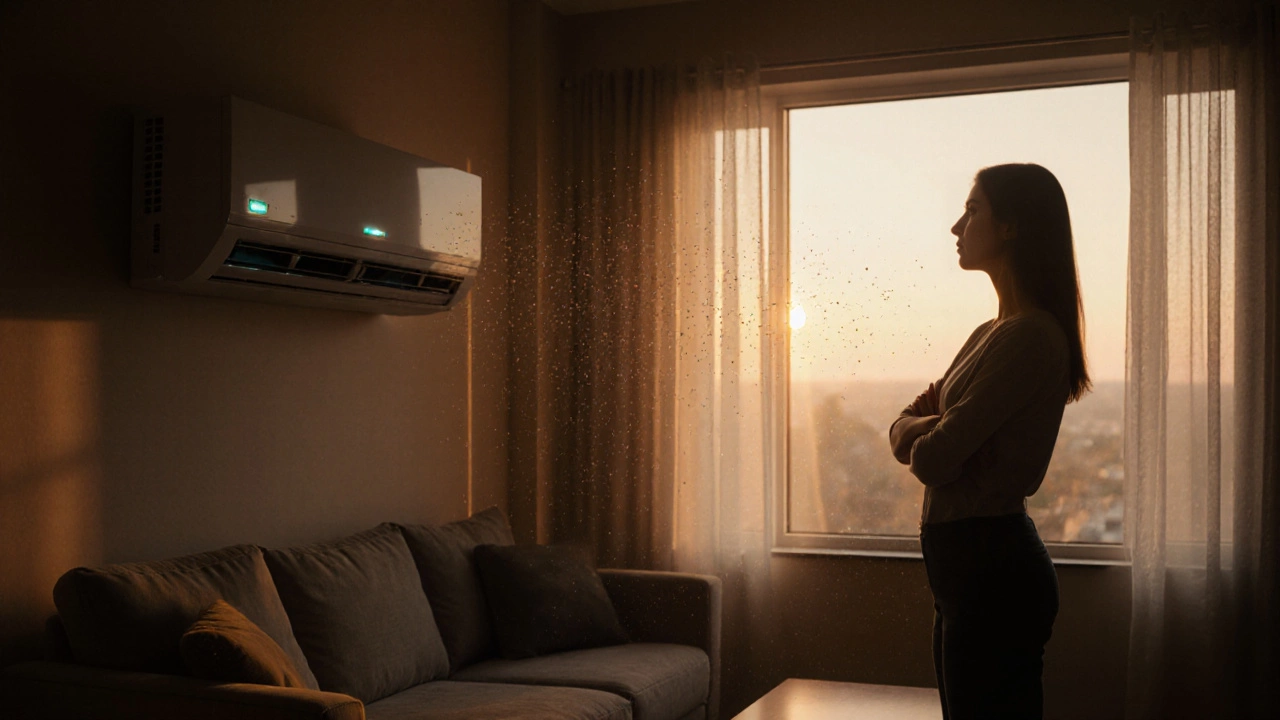
Heat Pump Running but Not Cooling? Causes & Fixes
0 Comments
Discover why your heat pump runs without cooling, learn quick DIY checks, and know when to call a professional for reliable fixes.
Read More