Central Heating
When your central heating, a system that warms your whole home using a single heat source like a boiler or heat pump. Also known as whole-house heating, it’s what keeps your living room warm in winter and your pipes from freezing. It’s not just one thing—it’s a chain: boiler, pipes, radiators, thermostat, and sometimes underfloor heating. If any link breaks, the whole system feels it.
Most people think a broken central heating system means a dead boiler. But it’s often something simpler: a stuck valve, air trapped in the radiators, or a faulty thermostat. A boiler, the heart of most UK central heating systems that heats water for radiators and taps can last 10–15 years if maintained, but sediment buildup or a worn-out pump can kill it in half that time. And if your radiator, a metal panel that releases heat into a room through hot water circulation is cold on top but hot at the bottom? That’s air. Bleed it. No need to call anyone yet.
Central heating isn’t just about turning a dial. It’s about understanding how heat moves through your home. A poorly insulated house will waste more energy than a broken boiler. A thermostat set too high won’t fix a leaky pipe. And if your boiler keeps cutting out, it’s not always a power issue—it could be low pressure, a blocked flue, or a faulty sensor. The posts below cover real fixes: how to reset a boiler, why your radiators won’t heat evenly, what to do when your heating works but your hot water doesn’t, and when it’s cheaper to repair than replace. You’ll find guides on boiler maintenance, signs your system is failing, and how to keep your home warm even when the boiler’s down. No fluff. Just what works.
Nov 8, 2025
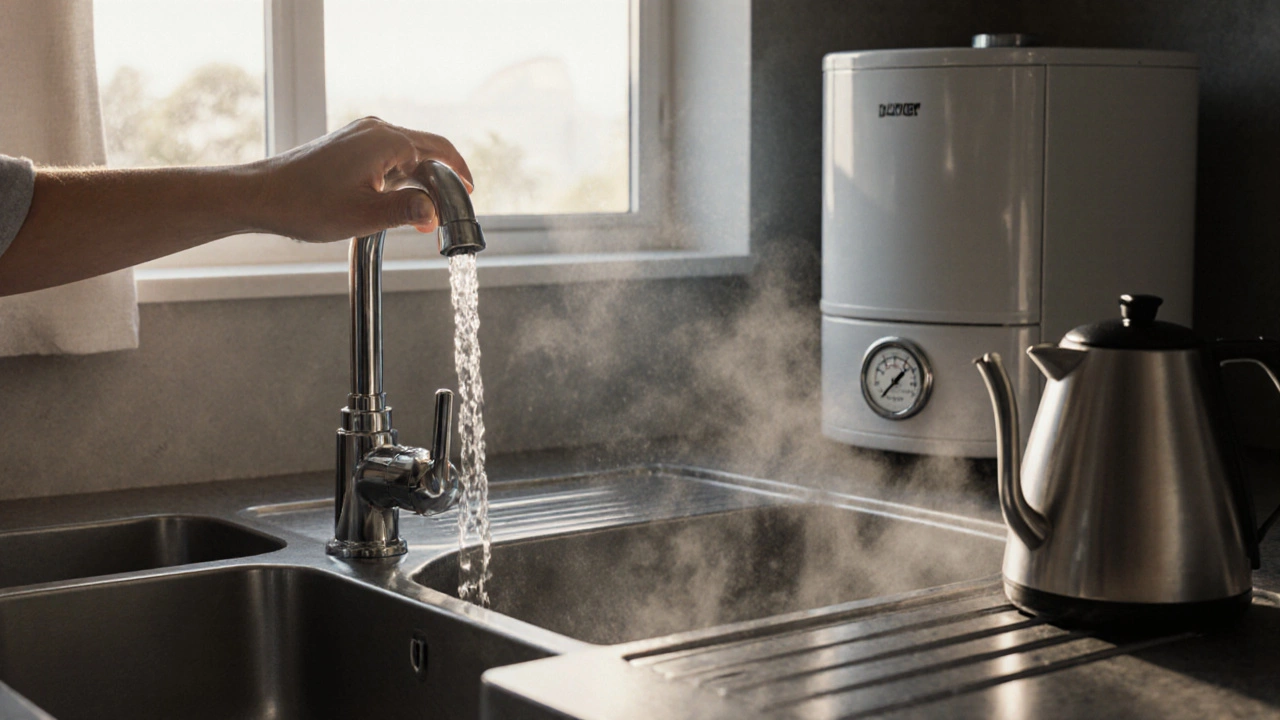
Does a Broken Boiler Mean No Hot Water? Here's What Really Happens
0 Comments
A broken boiler usually means no hot water - but not always. Learn how your boiler type affects hot water availability, what to check first, and when to repair versus replace.
Read More