Boiler Failure: Common Causes, Signs, and What to Do Next
When your boiler failure, a sudden loss of heating or hot water caused by mechanical, electrical, or gas system issues. Also known as heating system breakdown, it’s one of the most disruptive home emergencies, especially in winter. Unlike a broken toaster, a failed boiler doesn’t just inconvenience you—it can freeze pipes, flood your home, or leave you without hot water for days. And it’s not always the fault of age. Many boilers fail because of simple, preventable issues like poor maintenance, water pressure drops, or faulty thermostats.
Most boiler technician, a certified professional trained to diagnose and repair gas-fired heating systems will tell you that 7 out of 10 boiler failures happen because of neglect. Sediment buildup in the heat exchanger, a worn-out pump, or a blocked condensate pipe aren’t mysterious faults—they’re signs you skipped your annual checkup. Even a small leak in the system can cause air to get trapped, leading to noisy operation and eventual shutdown. And if your boiler is over 10 years old, a failing control board or cracked heat exchanger becomes far more likely. These aren’t DIY fixes. Gas systems need certified hands. Calling an unqualified plumber can make things worse—or worse, unsafe.
What you might not realize is that boiler failure often has early warnings. If your radiators are cold at the bottom, your boiler keeps switching off, or you hear gurgling or banging noises, these aren’t just annoyances. They’re clues. A yellow flame instead of blue? That’s a red flag for incomplete combustion. Water pooling under the unit? Could be a cracked internal component. And if your boiler displays an error code like F22 or E13, that’s not random—it’s the system trying to tell you exactly what’s wrong. Most modern boilers have diagnostic modes, but unless you know what those codes mean, you’re just guessing.
And here’s the thing: boiler failure doesn’t always mean replacement. Many times, it’s just a part. A £50 pressure sensor, a £120 pump, or a £30 thermostat can bring your system back to life. But only if you catch it early. Waiting until you have no heat at 3 a.m. isn’t just stressful—it’s expensive. Repairs done in a hurry cost more. Parts ordered overnight cost more. And if the boiler’s already on its last legs, you’re paying to delay the inevitable.
That’s why the posts below focus on real-world fixes, clear signs to watch for, and when to call a professional instead of risking it yourself. You’ll find guides on boiler maintenance that actually work, how to tell if your system is beyond repair, and what questions to ask a technician before they start charging. Whether your boiler’s 5 years old or 15, these posts give you the facts—not the sales pitch.
Nov 8, 2025
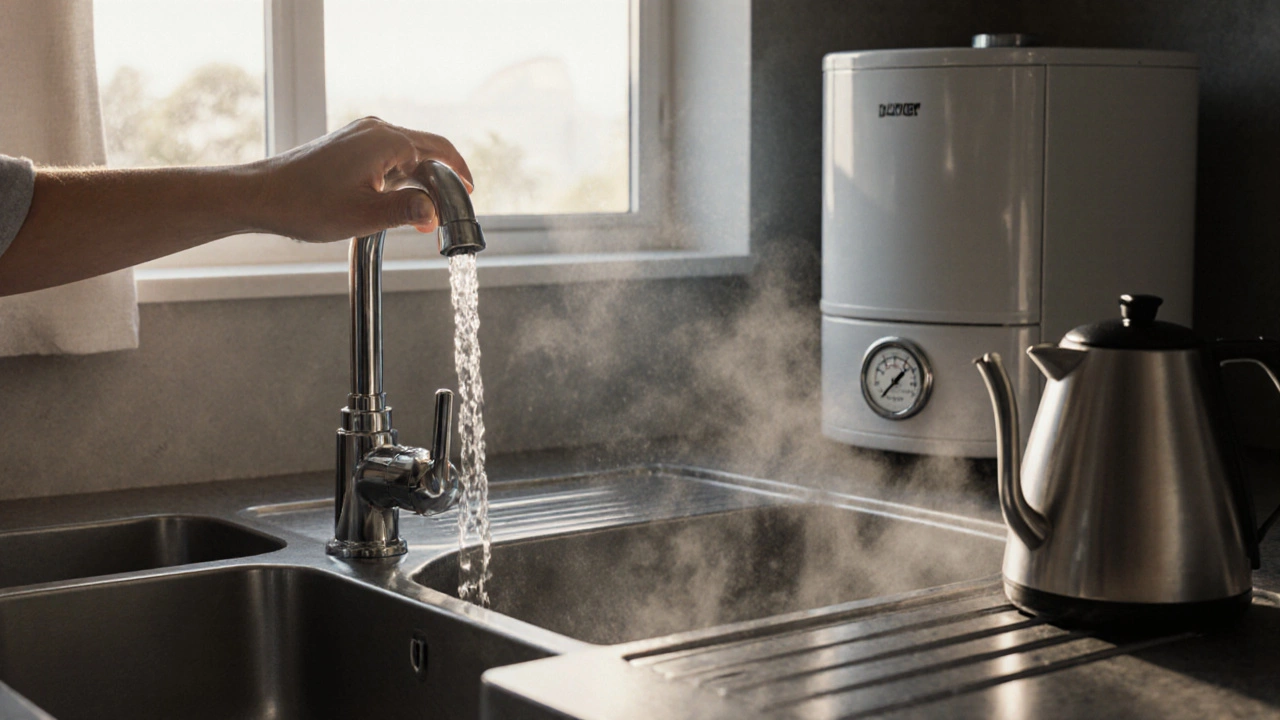
Does a Broken Boiler Mean No Hot Water? Here's What Really Happens
0 Comments
A broken boiler usually means no hot water - but not always. Learn how your boiler type affects hot water availability, what to check first, and when to repair versus replace.
Read More