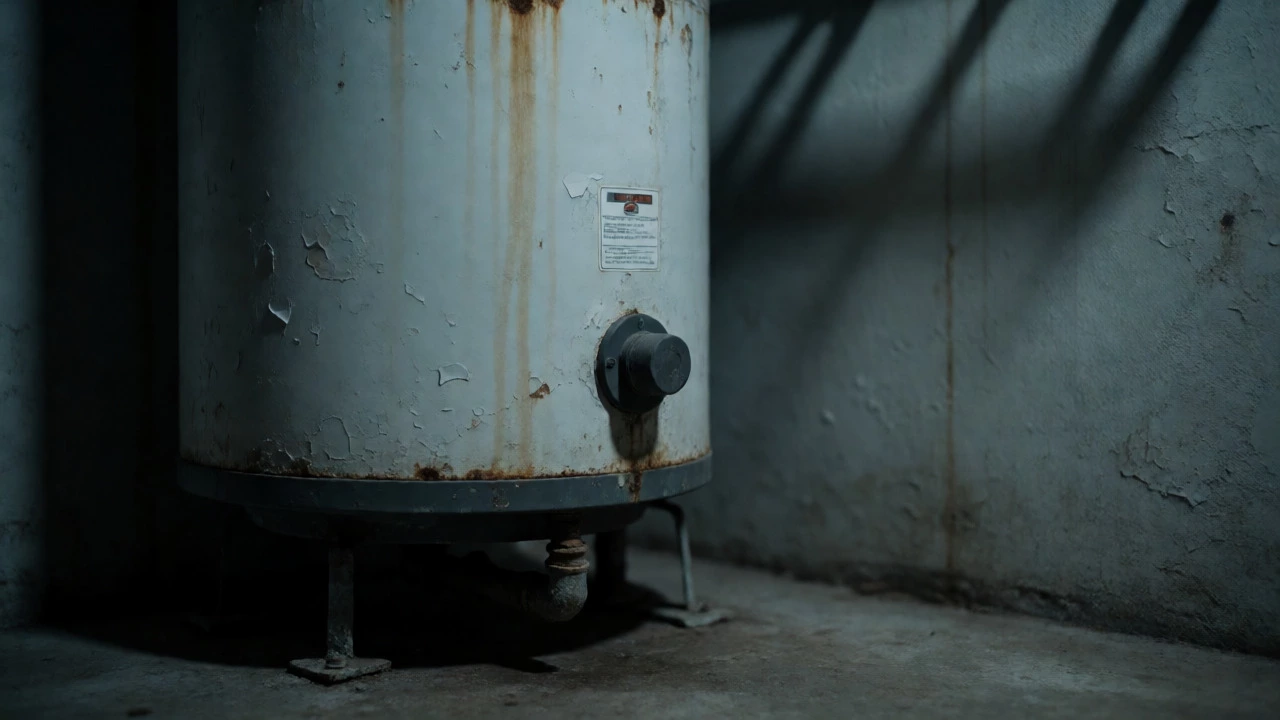
Water Heater Health Checker
Answer the questions below to receive a personalized recommendation.
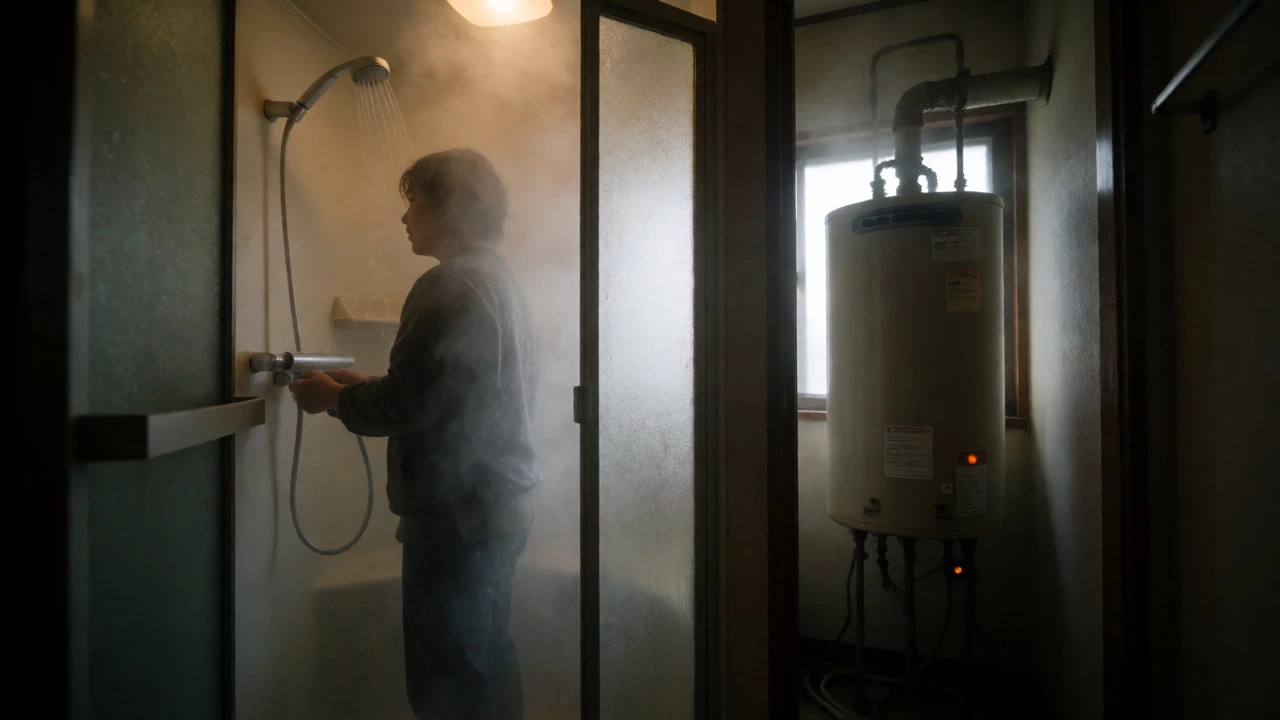
You’re standing in the shower, waiting for that perfect temperature, and suddenly it’s freezing. Or maybe you’ve noticed a mysterious puddle under your utility closet door. These aren’t just minor annoyances; they are often loud, clear signals from your hot water heater that its days are numbered. Knowing when to swap out this essential appliance can save you from a catastrophic flood or a cold week of bucket baths.
The Age Factor: When Time Runs Out
Most standard storage-tank water heaters have a lifespan of about 8 to 12 years. If yours is pushing past the decade mark, you are living on borrowed time. Check the manufacturer’s label on the side of the unit. It usually lists the installation date or a serial number code that reveals the year it was built. For instance, if you live here in Dunedin and installed your unit in 2014, you are right at the tipping point. At this stage, efficiency drops significantly because sediment buildup insulates the heating elements from the water, forcing them to work harder and burn more energy. Replacing an older unit isn’t just about avoiding failure; it’s about lowering your power bill.
Rusty Water: A Clear Warning Sign
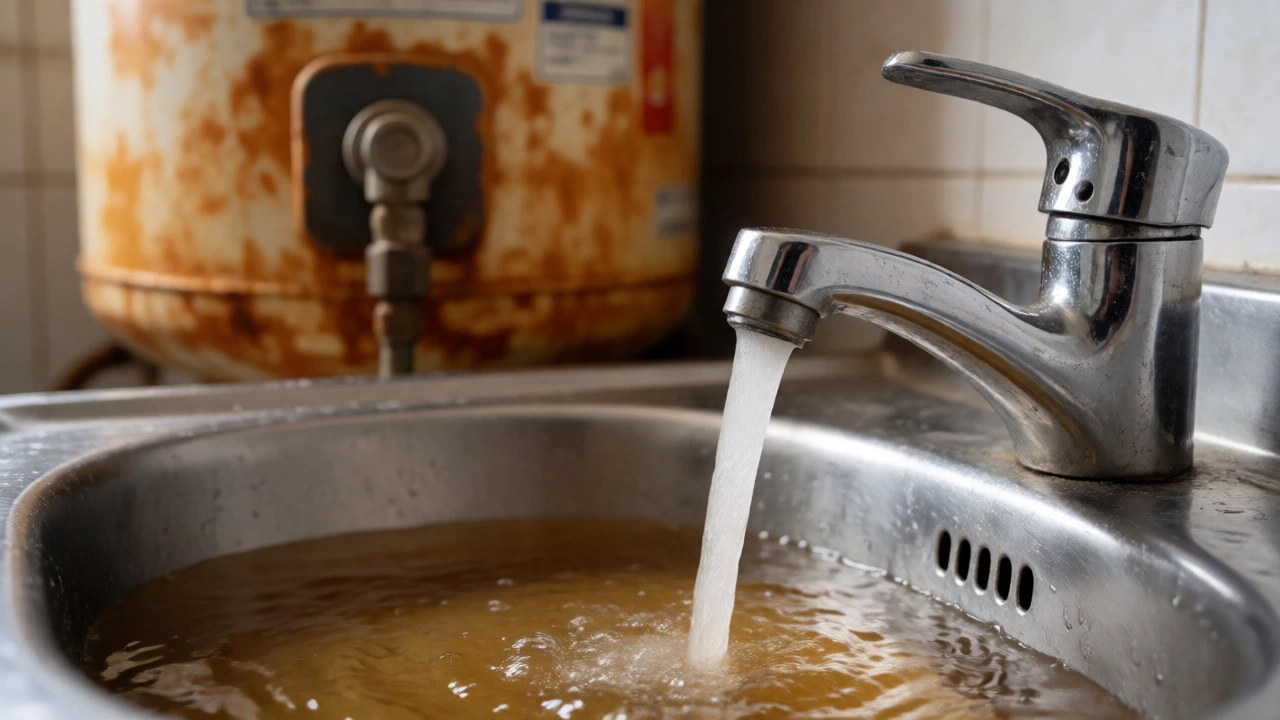
Turn on your hot tap and look at the water. Is it brownish or yellow? This is one of the most reliable indicators that the internal tank lining is corroding. The inside of a steel tank is coated with glass to prevent rust, but once that coating cracks, the steel starts to oxidize. You might try flushing the tank to see if the issue clears up, but if the rust persists after a few minutes, the damage is structural. Corrosion weakens the metal walls, making leaks inevitable. Unlike a clogged filter you can clean, a rusted tank cannot be repaired effectively. It needs to go.
Leaks: Small Drips vs. Major Floods
Not all leaks mean immediate replacement. Sometimes, a leak comes from loose pipe connections or a faulty pressure relief valve, both of which are cheap fixes. However, if you see moisture coming directly from the tank body itself, particularly near the base, you have a serious problem. This usually means the tank has developed pinhole leaks due to corrosion. Once a steel tank starts weeping from the body, it will not stop. Patching it is a temporary band-aid at best. In New Zealand homes, where space is tight and floors are often timber or laminate, a slow leak can cause significant water damage before you even notice. If the tank is leaking, replace it now.
Inconsistent Temperature and Strange Noises
Your water heater should provide consistent heat. If you find yourself adjusting the mixer constantly, or if the hot water runs out much faster than it used to, the dip tube may be broken or the heating element failing. But listen closely to the unit as well. Does it pop, crack, or rumble? These noises are caused by sediment-minerals like calcium and magnesium-that have settled at the bottom of the tank. As the water heats, steam bubbles get trapped under this layer of sludge and burst loudly. While some noise is normal, excessive rumbling reduces efficiency and accelerates wear on the tank bottom. If flushing doesn’t quiet it down, the sediment is likely too thick to remove without damaging the unit further.
Energy Bill Spikes
Have you noticed your electricity costs creeping up without any change in usage habits? An aging water heater loses insulation value over time. The foam between the inner tank and the outer shell degrades, causing heat loss. This means the heater cycles on and off more frequently to maintain the set temperature. Modern units are far more efficient, especially if you opt for a high-efficiency electric model or a gas continuous flow system. Comparing your current running costs against the price of a new unit often shows that the savings on power bills can offset the purchase cost within a few years.
| Issue | Likely Cause | Action |
|---|---|---|
| Minor drip from valve | Faulty T&P valve | Replace Valve (Repair) |
| Leak from tank base | Corroded tank | Replace Unit |
| Rusty hot water only | Tank corrosion | Replace Unit |
| No hot water | Tripped breaker/Element | Check Electrical (Repair) |
| Unit over 10 years old | End of life | Plan Replacement |
Key Takeaways
- Age: If your unit is over 10 years old, start budgeting for a replacement.
- Rust: Persistent rusty water indicates internal tank corrosion that cannot be fixed.
- Leaks: Moisture from the tank body requires immediate replacement; valve leaks may be repairable.
- Noise: Loud rumbling suggests heavy sediment buildup affecting efficiency and longevity.
- Cost: High energy bills often signal a failing insulation layer or inefficient heating elements.
Frequently Asked Questions
Can I extend the life of my water heater?
Yes, regular maintenance helps. Flushing the tank annually removes sediment buildup, which protects the heating elements and improves efficiency. Installing an anode rod also prevents corrosion by attracting corrosive ions away from the steel tank. However, these steps only delay the inevitable; they do not stop the natural aging process of the components.
How long does it take to replace a water heater?
A professional plumber typically replaces a standard electric storage tank in 2 to 4 hours. Gas units or complex installations may take longer. The process involves draining the old unit, disconnecting pipes, removing the old tank, installing the new one, and reconnecting plumbing and electrical supplies. It’s a straightforward job for a licensed tradesperson.
Is it cheaper to repair or replace?
For units under 5 years old, repairs like replacing a heating element or thermostat are usually cost-effective. For units over 8 years old, replacement is generally better. The cost of labor plus parts often approaches the price of a new unit, and you risk another failure shortly after. Plus, new units come with warranties and better energy ratings.
What size water heater do I need?
This depends on your household size and peak demand. A small apartment might suffice with a 135-litre tank, while a family home with multiple bathrooms often needs 180 to 300 litres. Alternatively, continuous flow gas systems provide unlimited hot water but require adequate gas supply and venting. Consult a plumber to assess your specific usage patterns.
Do I need a permit to replace a water heater in NZ?
In most cases, replacing a like-for-like unit does not require a building consent, but the work must be done by a registered plumber and gasfitter. They will provide a certificate of compliance. Always check with your local council, such as the Dunedin City Council, for specific regulations regarding drainage and safety requirements.