Gas to Electric Conversion Cost Calculator
Current Gas Costs
Calculate your current annual costs for gas appliances
Electric Conversion Costs
Estimate costs for replacing your gas appliances
Results
Your potential savings over time
According to EECA data: Households with fully electric systems save an average of $1,120 annually compared to gas users.
Check Warm Up New Zealand: Heat Smart for potential additional grants up to $3,000.
It’s 2025, and you’re staring at your gas stove, water heater, or furnace wondering: Should I get rid of my gas appliances? You’ve heard the buzz-electric is cleaner, safer, future-proof. But is it really worth the cost? And what happens if you just walk away from your gas line without a plan?
Here’s the truth: getting rid of gas isn’t just about climate guilt. It’s about money, safety, and how much you actually use these appliances. In Dunedin, where winters are damp and energy bills are climbing, this isn’t theoretical. It’s personal.
What You’re Really Paying for Gas
Gas appliances look cheap upfront. A $600 gas stove seems like a steal compared to a $1,800 induction cooktop. But that’s only the start. You’re also paying for:
- Monthly gas supply charges-even if you don’t use it, you pay a fixed fee
- Annual safety inspections (required by law in New Zealand for gas systems)
- Repair costs when something breaks-gas valves, pilot lights, burners
- Potential insurance hikes if your home has gas lines
A 2024 study by the Energy Efficiency and Conservation Authority (EECA) found that households using gas for heating and cooking paid an average of $1,120 extra per year compared to fully electric homes with heat pumps and induction stoves. That’s not just fuel-it’s infrastructure you’re maintaining.
Is Gas Actually Dangerous?
You’ve probably heard about gas leaks and explosions. They’re rare, but they happen. In New Zealand, there were 17 confirmed gas-related incidents in homes in 2023. Most weren’t explosions-just slow leaks that caused headaches, dizziness, or carbon monoxide alarms going off.
Carbon monoxide is silent. It doesn’t smell. You won’t feel it until you’re dizzy or nauseous. Gas appliances need regular servicing. If your stove is 12 years old and you haven’t had it checked since 2020, you’re gambling. A faulty gas valve or cracked heat exchanger in a water heater can leak fumes without warning.
Electric appliances don’t do that. No combustion. No fumes. No hidden risk. If your electric oven stops working, it’s a broken element. Not a potential health hazard.
What Replacing Gas Actually Costs
Let’s break down the real numbers for a typical Dunedin home with:
- Gas hob and oven
- Gas water heater
- Gas space heater
Replacing all three:
| Appliance | Gas Unit (Replacement Cost) | Electric Alternative | Electric Replacement Cost | Installation Notes |
|---|---|---|---|---|
| Hob & Oven | $800-$1,500 | Induction cooktop + electric oven | $2,200-$3,500 | Requires 240V circuit |
| Water Heater | $1,200-$2,000 | Heat pump water heater | $3,000-$4,500 | Needs space and good insulation |
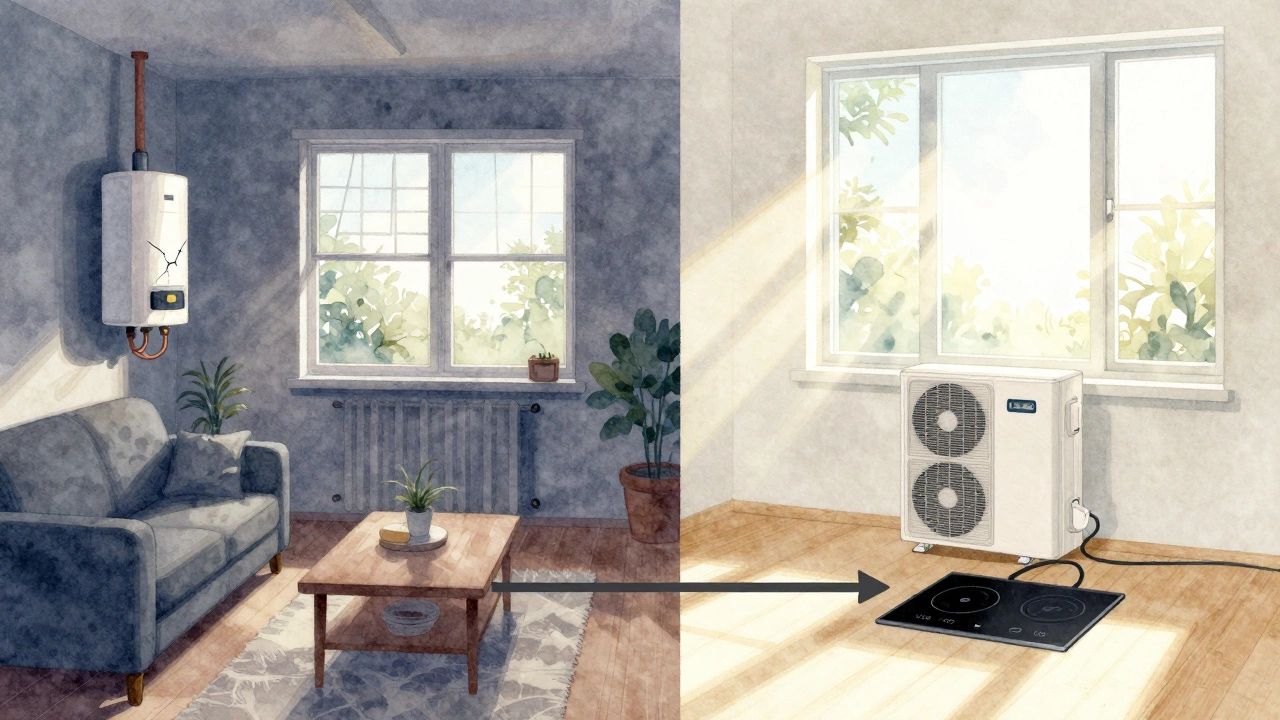
| Space Heater | $500-$1,000 | Air source heat pump | $4,000-$7,000 | Can replace entire heating system |
That’s $1,500-$4,500 upfront. But here’s what most people miss: you get rebates. The New Zealand government’s Warm Up New Zealand: Heat Smart programme still offers up to $3,000 in subsidies for heat pumps and heat pump water heaters if you qualify. Some local councils, including Dunedin City Council, offer additional grants for low-income households.
And you’re not done. You’ll need to pay a licensed electrician to upgrade your switchboard. Older homes often need a 200A upgrade to handle the load. That’s another $1,500-$3,000. But if you’re replacing everything at once, you can often bundle the work and save.
When It Makes Sense to Keep Gas
Not everyone needs to ditch gas tomorrow. Here’s when it’s smarter to wait:
- Your gas appliances are less than 5 years old and working perfectly
- You’re planning to move in the next 2-3 years
- Your home has poor insulation-you’ll need to fix that first
- You cook daily and hate the learning curve of induction
Induction cooktops heat differently. They don’t glow red. They respond instantly to touch. If you’re used to gas flames, the first time you boil water on induction, it’ll feel like magic. But if you’re not ready for that change, you’ll feel frustrated.
And if your house is drafty, no electric heater will keep you warm efficiently. Fix your insulation and windows first. A heat pump in a poorly insulated home is like putting a band-aid on a broken leg.
What Happens to Your Gas Line?
If you remove your gas appliances, you don’t just unplug them. You have to deal with the gas pipe.
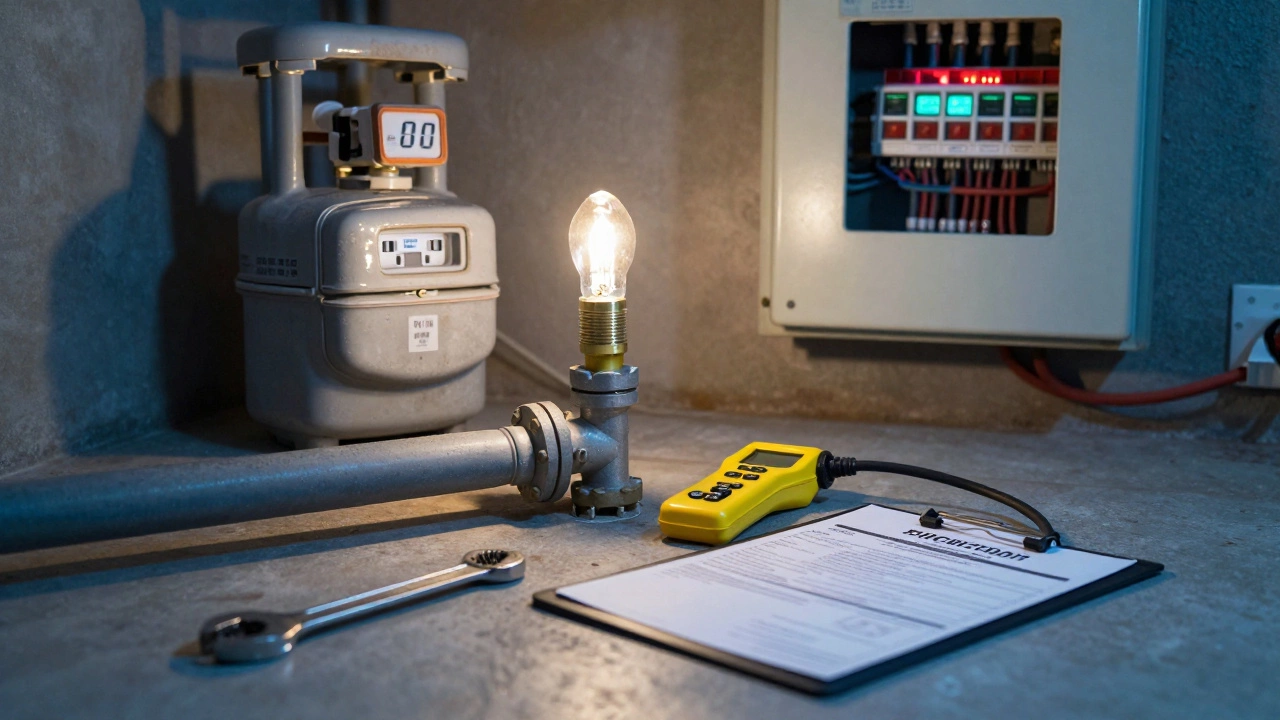
Here’s the reality: most plumbers won’t cap your gas line unless you’re replacing it with another gas appliance. Why? Because they’re licensed for gas work, not removal. You need a registered gas fitter to:
- Shut off the main valve
- Remove or cap the line at the appliance
- Test for leaks
- Get a certificate of compliance
Cost? $400-$800. You can’t just leave it hanging. It’s illegal and dangerous. If you ever sell your house, buyers will want proof your gas system was properly decommissioned.
Some people choose to keep the line in place-just capped. That’s fine. But you still pay the monthly supply charge. And if you ever want to reinstall gas later, you’ll pay to reconnect it.
What About the Environment?
Yes, gas is a fossil fuel. Burning it releases CO₂. In New Zealand, gas accounts for about 8% of residential emissions. That’s not the biggest chunk-but it’s avoidable.
Electricity in New Zealand is already 84% renewable. That means your induction stove is powered mostly by hydro, wind, and geothermal. Even if your grid isn’t 100% green, the trend is clear: electricity is getting cleaner every year. Gas? It’s locked in.
And here’s the kicker: heat pumps are 300-400% more efficient than gas heaters. For every 1 unit of electricity you use, you get 3-4 units of heat. Gas heaters max out at 90%. That’s not just savings-it’s a massive reduction in energy waste.
What’s the Real Timeline?
You don’t have to rip everything out at once. Here’s a realistic, step-by-step plan:
- Start with your water heater. Replace it with a heat pump water heater. You’ll save $500-$800 a year on bills.
- Next, replace your space heater with a heat pump. Even one unit in your main living area makes a big difference.
- When your gas stove wears out, go induction. Don’t replace it with another gas model.
- Once you’ve removed all gas appliances, hire a gas fitter to cap the line and get your compliance certificate.
- Apply for government rebates at every step.
This spreads the cost over 3-5 years. It’s manageable. And you’re not sacrificing comfort-you’re upgrading it.
What If You Just Ignore It?
Some people think, “I’ll just keep using it until it breaks.” That’s risky. Gas appliances age unpredictably. A 15-year-old water heater can suddenly crack. A gas hob might start leaking when you’re not home.
And when it breaks? You’ll pay more. Gas repair technicians are scarce. In Dunedin, you might wait 2-3 weeks for a call-out. Electric appliance repair? Same-day service is common.
Plus, as New Zealand moves toward net-zero emissions, gas connections may become harder to maintain. Insurance companies are already asking about gas in home assessments. Future buyers might refuse homes with gas lines.
You’re not just fixing appliances. You’re future-proofing your home.
Final Answer: Should You Get Rid of Your Gas Appliances?
Yes-if you can afford to replace them gradually. Yes-if you care about safety and long-term savings. Yes-if you want to reduce your carbon footprint without sacrificing comfort.
No-if you’re on a tight budget and your gas appliances are still in good shape. No-if you’re moving soon. No-if you haven’t fixed your home’s insulation yet.
The goal isn’t to eliminate gas overnight. It’s to stop replacing it when it fails. Every time your gas appliance dies, choose electric. That’s how you win.