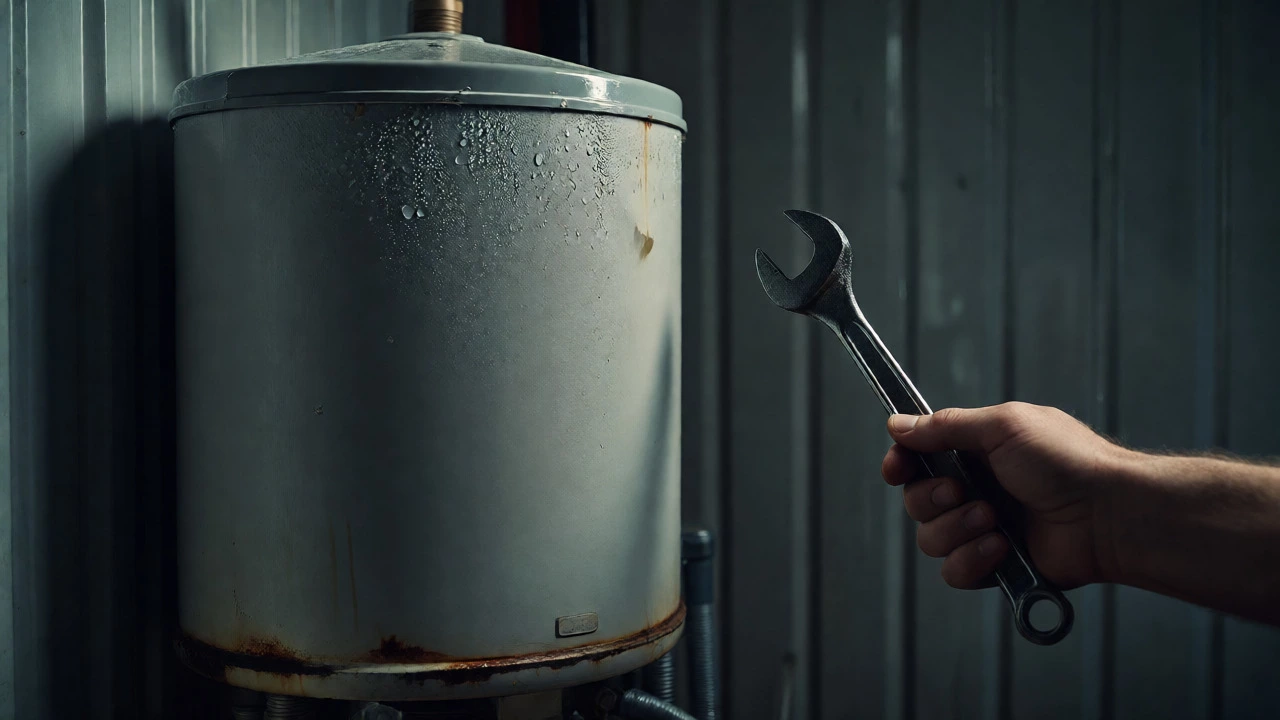
Water Heater Repair vs. Replace Calculator
Use this calculator to apply the "50% Rule" and factor in energy savings to make an informed decision about your hot water system.
Current Situation
Efficiency & Context
Analysis Pending...
Financial Breakdown
Expert Insight
Enter details above to receive specific advice regarding tank integrity and long-term costs.
You’re standing in the shower, shivering because the hot water just died. The plumber gives you a quote for a hot water heater repair that makes your eyes widen. Now you’re stuck with the ultimate homeowner’s dilemma: do you pay to fix the old unit, or bite the bullet and buy a new one?
It’s not always about which option is cheaper upfront. It’s about what makes sense for your specific situation, your budget, and how long you plan to stay in your home. Here in Dunedin, where winters can be damp and cold, having reliable hot water isn’t a luxury-it’s a necessity. So, let’s break down exactly when repairing saves you money and when it’s just throwing good cash after bad.
The 50% Rule (and Why It’s Not Absolute)
Plumbers often use a rule of thumb called the "50% Rule." If the cost to repair your water heater exceeds 50% of the price of a brand-new unit, replace it. Simple, right? But real life is messier than math equations.
Let’s say you have a standard electric storage tank that’s 12 years old. A new element costs $80, but labor brings the total bill to $350. A new basic electric unit might cost $600-$800 installed. Here, the repair is under 50%, so technically, you should fix it. But wait. That tank has likely been heating water for over a decade. Sediment buildup is probably thick at the bottom. Insulation may have degraded. Fixing one part now might mean another part fails six months later.
Conversely, if your heater is only three years old and out of warranty, spending $300 on a thermostat replacement might be smarter than dropping $700+ on a whole new system. Age matters more than the raw percentage sometimes.
How Old Is Too Old?
Most conventional storage-tank water heaters last between 8 and 12 years. Tankless models can push 20 years with proper maintenance. Check the manufacturer’s label on the side of your unit. It usually lists the manufacture date. If your heater is older than 10 years and starting to act up, lean toward replacement.
Why? Because parts wear out together. When one component fails, others are close behind. You don’t want to play whack-a-mole with repairs every few months. Each service call adds up, plus the inconvenience of cold showers while waiting for parts.
| Age of Unit | Common Issue | Recommended Action | Reasoning |
|---|---|---|---|
| 0-5 Years | No hot water / Tripped breaker | Repair | Likely electrical or minor part failure; tank integrity is high. |
| 6-9 Years | Leaking valve / Faulty element | Repair (if cost < 40%) | Tank may still have life left; monitor for further leaks. |
| 10+ Years | Rusty water / Small leak from tank | Replace | Corrosion is internal; repair won’t stop future failures. |
| Any Age | Major tank crack / Rupture | Replace Immediately | Tank cannot be repaired; risk of flooding is imminent. |
The Hidden Costs of Ignoring Leaks
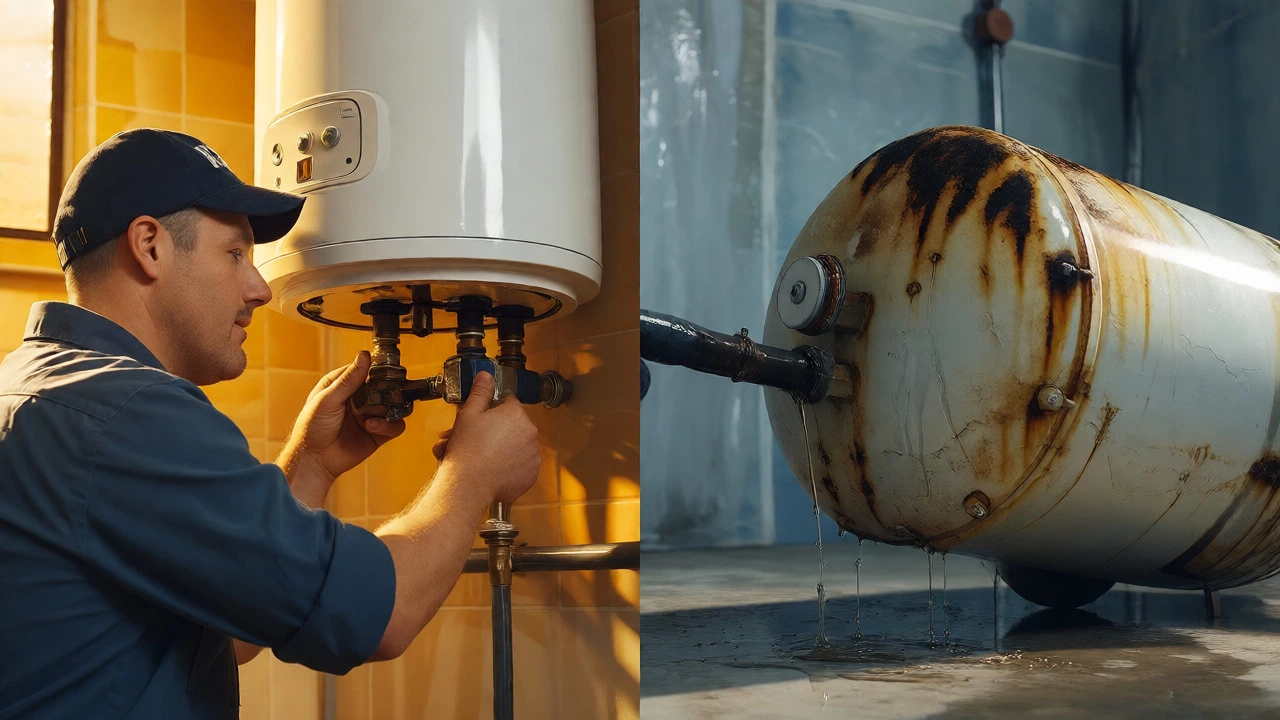
A small drip from a pressure relief valve or a loose fitting is annoying but manageable. A slow weep from the base of the tank? That’s different. That means corrosion has eaten through the steel lining. Once the tank itself starts leaking, no amount of patching will save it permanently.
In New Zealand homes, especially older villas in areas like Mornington or Roslyn, plumbing infrastructure can be fragile. A burst water heater doesn’t just leave you cold; it can flood your garage or laundry room, damaging drywall, flooring, and personal items. Insurance might cover the damage, but deductibles and premium hikes add up. Replacing an aging heater before it bursts is cheap insurance against disaster.
Energy Efficiency: The Silent Killer of Wallets
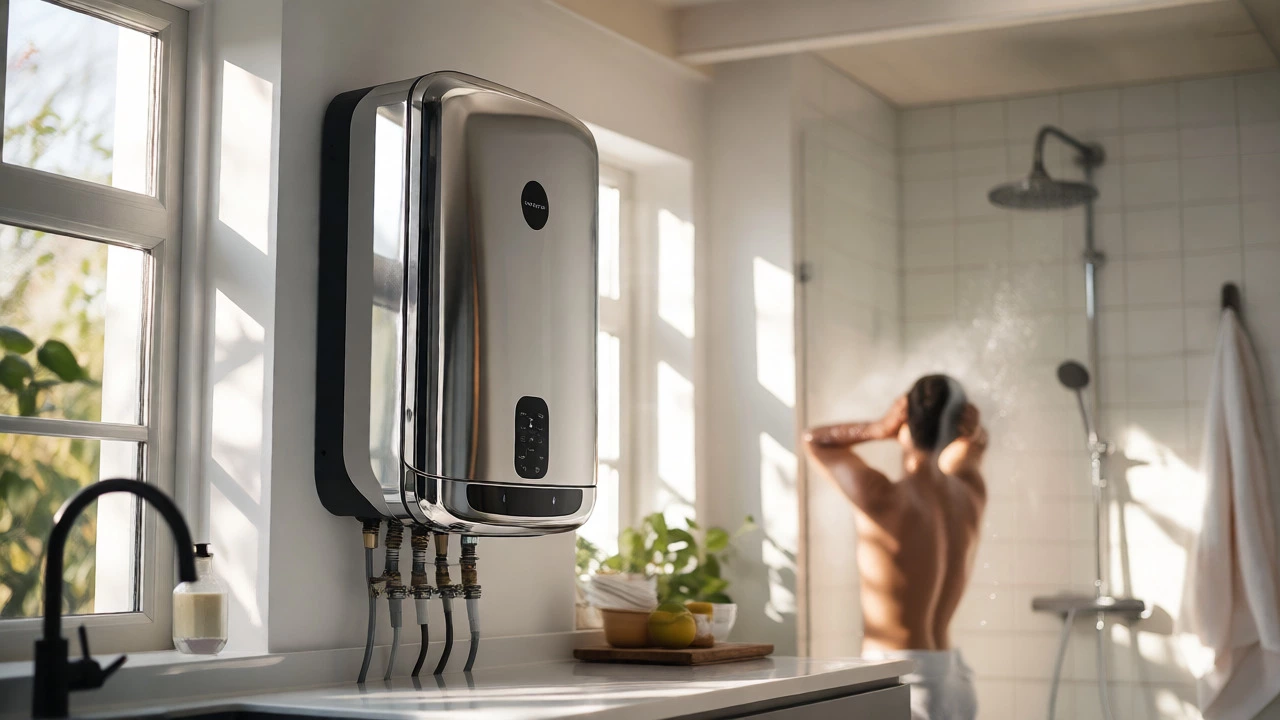
Older water heaters are energy hogs. Modern units, especially heat pump water heaters and condensing gas models, are significantly more efficient. In Dunedin, where electricity prices fluctuate and gas is widely used, upgrading can lower your monthly bills.
Consider this: An old electric resistance heater might cost you $30-$40 a month to run. A modern heat pump model could cut that in half. Over five years, those savings ($180-$240 per year) can offset a large chunk of the installation cost. Plus, many local councils and government schemes offer rebates for switching to high-efficiency systems. Always check current incentives before deciding.
Tankless vs. Storage: Does Type Matter?
If you’re leaning toward replacement, you’ll face another choice: stick with storage or go tankless (continuous flow)?
- Storage Tanks: Cheaper to install. Familiar technology. Easy to find parts. Downside: They run out of hot water if you take too many showers back-to-back.
- Tankless Systems: More expensive upfront (often $2,000-$3,500 installed). Never run out of hot water. Last longer. Require annual descaling, especially in hard-water areas like parts of Otago.
If your current tank is failing and you have space for a larger unit, sticking with storage might be the most cost-effective path. But if you’re tired of cold showers mid-shower, investing in tankless could improve your quality of life enough to justify the higher initial cost.
When to Call a Professional (And What to Ask)
Don’t guess. Get two quotes. Ask these questions:
- "Is the tank itself corroded, or is it just a part?" (If the tank is bad, replace.)
- "How much does a comparable new unit cost installed?" (Get the full picture.)
- "Will fixing this cause other issues soon?" (Ask for their honest assessment of remaining lifespan.)
A reputable plumber won’t push you to replace unless necessary. They know that a simple thermocouple swap on a gas unit is a quick, cheap fix. But they also know that welding a cracked tank is a waste of time and money.
Final Verdict: Listen to Your Gut (and Your Plumber)
There’s no one-size-fits-all answer. If your heater is young and the problem is isolated, repair it. If it’s nearing its end-of-life and the repair is pricey, replace it. And if you’re seeing rust in your water or hearing rumbling noises, start shopping for a new unit now. Don’t wait until you’re scrubbing mud off your bathroom floor.
Remember, hot water is non-negotiable in our climate. Making the smart choice today prevents stress tomorrow.
How much does it typically cost to repair a water heater in NZ?
Minor repairs like replacing a thermostat, heating element, or thermocouple generally range from $150 to $350 depending on labor rates and part availability. Major issues involving the tank or complex gas components can exceed $500, often making replacement more viable.
Can I just patch a leaking water heater tank?
No. If the leak is coming from the body of the tank itself (not a valve or pipe connection), it indicates internal corrosion. Patch kits are temporary fixes at best and often fail quickly under pressure. Replacement is the only permanent solution.
Are tankless water heaters worth the extra cost?
For households with high hot water demand, yes. They provide endless hot water and have a longer lifespan (up to 20 years). However, they require professional installation and regular maintenance to prevent scale buildup, which can increase long-term upkeep costs compared to simple storage tanks.
What signs indicate my water heater is failing?
Key warning signs include rusty-colored water, loud popping or rumbling noises (sediment buildup), visible moisture around the base, inconsistent water temperature, and age exceeding 10 years. Any combination of these suggests imminent failure.
Does home insurance cover water heater replacement?
Typically, no. Insurance covers sudden accidental damage (like a burst pipe causing flood damage), but not routine wear and tear or mechanical failure. Replacement due to age or lack of maintenance is considered a homeowner’s responsibility.