Washing Machine Repair vs. Replace Calculator
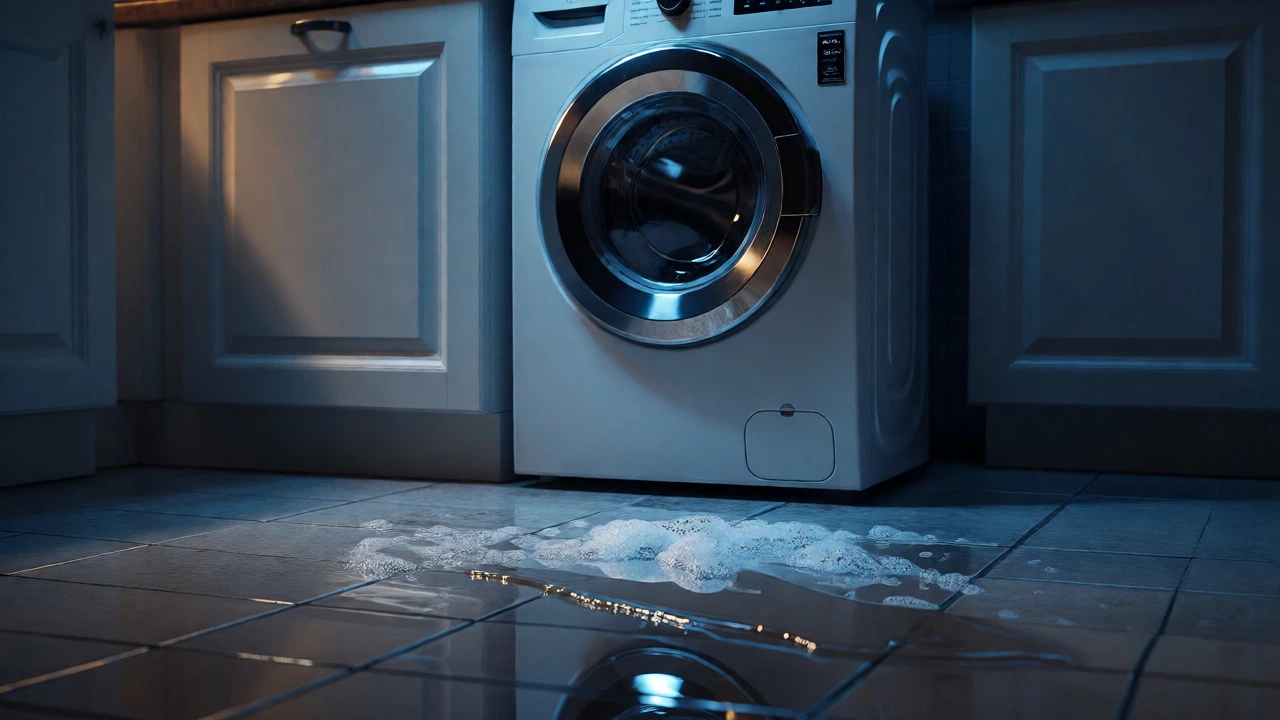
You stare at the puddle on your kitchen floor. The spin cycle just failed, or maybe the drum won't agitate. Your first instinct might be to grab the phone and call a technician. But then you pause. How much will that actually cost? Is this old beast worth saving, or is it time to say goodbye? This isn't just about money; it's about deciding whether to invest in fixing a problem or replacing the whole unit.
Here’s the truth: there is no single right answer for every broken washer. It depends entirely on the age of the machine, the specific part that failed, and what replacement units are costing right now. As someone who has seen countless appliances meet their maker in Dunedin homes, I can tell you that the decision usually comes down to a simple math problem mixed with a bit of intuition. Let’s break down exactly how to make that choice without wasting cash.
The 50% Rule and Beyond
You’ve probably heard the "50% rule." It states that if the repair cost exceeds 50% of the price of a new machine, you should buy a new one instead. It’s a solid starting point, but it’s too blunt an instrument for modern appliances. Why? Because the gap between cheap washers and premium ones has widened significantly. Replacing a $600 budget washer with another $600 model is different than replacing a $1,800 front-loader with a similar high-end unit.
A better approach is to look at the remaining useful life of the appliance. Most standard top-loaders last about 10-12 years. Front-loaders, while efficient, often have shorter lifespans due to complex seals and electronics, averaging 8-10 years. If your machine is 3 years old and the repair costs $200, you’re likely getting 7+ more years of service. That’s great value. If it’s 9 years old and the repair is $400, you’re gambling on whether it survives another year before something else breaks.
| Machine Age | Repair Cost | Recommendation | Reasoning |
|---|---|---|---|
| 0-3 Years | < $300 | Repair | Under warranty or near-new reliability expected. |
| 0-3 Years | > $300 | Check Warranty | Major component failure early on suggests a defect. |
| 4-7 Years | < $250 | Repair | Mid-life crisis is normal; minor fixes extend life. |
| 4-7 Years | > $250 | Replace | High probability of cascading failures soon. |
| 8+ Years | Any Cost | Replace | End-of-life stage; parts may be obsolete. |
Common Failures: What Breaks and What It Costs
Not all repairs are created equal. Some issues are quick fixes; others are death sentences for the machine. Knowing which is which saves you from paying a call-out fee just to find out your machine is toast.
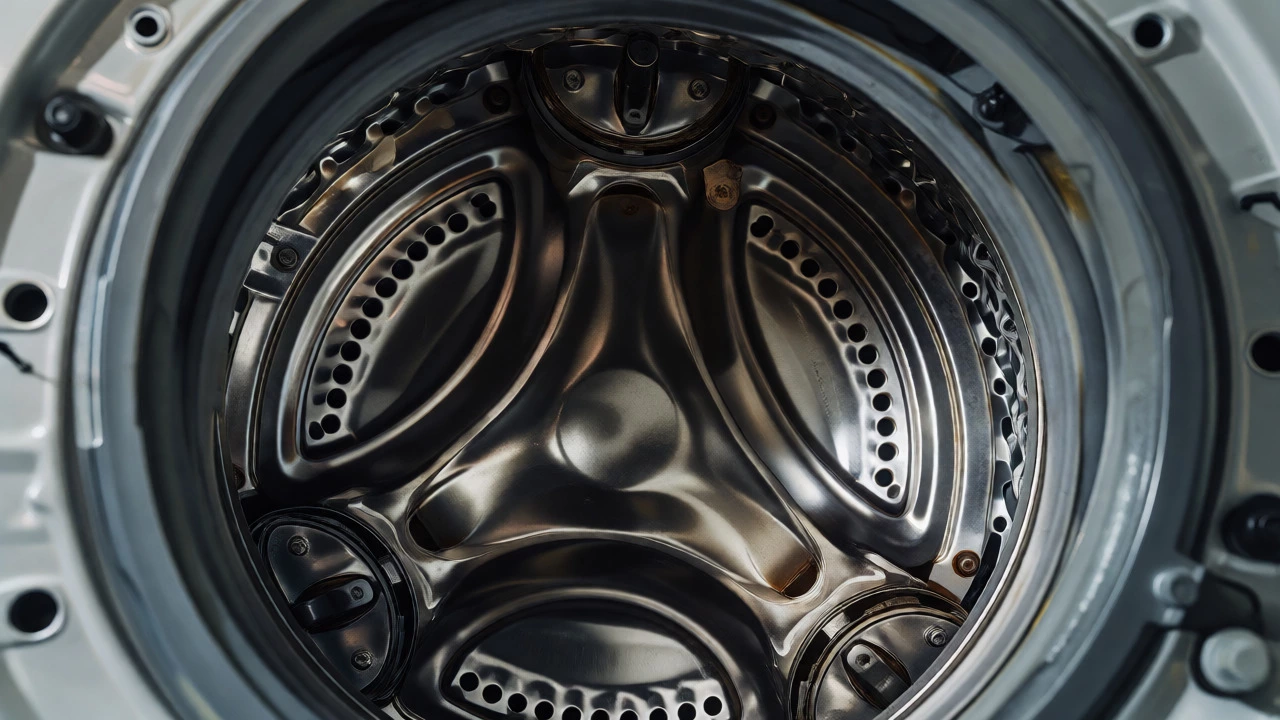
Drum Bearings are often cited as the most expensive internal repair. When they go, you hear a loud rumbling like a jet engine taking off. Replacing them requires disassembling the entire machine. In many models, especially front-loaders, the outer tub is welded shut, meaning you have to replace the whole tub assembly. This can easily cost $500-$800 including labor. For an older machine, this rarely makes financial sense.
On the other hand, Drain Pumps are relatively inexpensive to fix. If your water isn’t draining, it’s often just a clog or a faulty pump motor. Parts cost under $100, and labor is straightforward. This is almost always worth repairing, regardless of age, unless the control board is also fried.
Control Boards are the brains of the operation. If your buttons don’t respond or the display shows random error codes, the board might be dead. These are tricky because diagnostics can be hard. Sometimes it’s a loose wire (cheap fix), sometimes it’s a burnt circuit (expensive). If a quote for a control board replacement hits $300+, tread carefully. Modern boards are proprietary and pricey.
The Hidden Costs of Buying New
When you decide to replace, don’t just look at the sticker price. There are hidden costs that eat into your savings. First, delivery and installation fees. Many retailers charge $100-$150 to haul away the old machine and hook up the new one. If you’re handy, you might skip this, but check your local council rules regarding e-waste disposal in places like Dunedin. You can’t just dump it by the curb.
Second, consider energy efficiency. An old washer might use twice the water and electricity of a new Energy Star-rated model. Over five years, those savings can offset a significant portion of the purchase price. However, this only applies if you do lots of laundry. If you’re a single person doing two loads a week, the savings are negligible.
Third, feature creep. New machines come with steam cleaning, Wi-Fi connectivity, and auto-dosing detergent. Do you need these? Often, no. Basic models are cheaper and have fewer electronic components to fail. Stick to what you actually use.
DIY vs. Professional Help
Can you fix it yourself? YouTube is a wonderful resource, but it doesn’t account for your time or risk. Simple fixes like clearing a drain filter, replacing a belt, or swapping a door latch are DIY-friendly. You’ll save the $100-$150 call-out fee.
However, anything involving water supply lines, electrical connections inside the cabinet, or lifting heavy drums is risky. One wrong move with a water hose can flood your floorboards. One wrong connection on a live wire can shock you. Plus, if you mess up a DIY repair, professional technicians often refuse to work on tampered machines or charge extra to diagnose your mistake.
- DIY Safe: Cleaning filters, unclogging hoses, replacing belts, changing door gaskets.
- Pro Recommended: Motor replacements, bearing changes, control board swaps, water inlet valve issues.
Brand Reliability Matters
Some brands are easier to repair than others. In New Zealand, we see a lot of Samsung, LG, Fisher & Paykel, and Bosch. Fisher & Paykel front-loaders, for instance, are known for durability but can have expensive spare parts availability issues depending on the model year. Samsung machines are popular but have had mixed reviews regarding long-term reliability of their digital inverters.
Before calling a tech, check online forums for your specific model number. If everyone complains about the same part failing at year five, and that part is discontinued, you know you’re fighting a losing battle. Conversely, if your brand has a strong network of authorized service agents in your area, repairs are faster and parts are cheaper.
Environmental Impact: Should You Keep It Running?
Sometimes, the decision isn’t purely financial. Manufacturing a new washing machine consumes resources and generates carbon emissions. Keeping an existing machine running longer, even if it’s less efficient, can be the greener choice. If your current washer works fine except for a small cosmetic issue or a minor leak that’s easy to patch, keep it. Don’t upgrade just for the sake of having shiny new plastic.
But if the machine is leaking onto your floor constantly, causing mold or structural damage, the environmental cost of fixing your house outweighs the benefit of keeping the old washer.
Making the Final Call
So, how do you decide? Follow this checklist:
- Get a Quote: Never guess. Have a technician assess the fault. Ask for a breakdown of parts and labor.
- Check Replacement Price: Look up the current retail price of a comparable new model.
- Apply the Math: If Repair Cost > 50% of New Price AND Machine Age > 7 Years, replace it.
- Consider Sentimental Value: Does it fit perfectly under your counter? Did you buy it from a relative? Sometimes non-financial factors matter.
- Test Alternatives: Can you borrow a neighbor’s machine for a month while you save for a new one? Or use a laundromat?
Remember, a washing machine is a tool, not a heirloom. Its job is to clean clothes reliably. Once it fails to do that efficiently, or the cost to restore that function becomes disproportionate, let it go. There’s no shame in retiring a tired worker.
How long does a washing machine typically last?
Most washing machines are designed to last between 10 and 12 years. Top-loaders often reach the higher end of this range due to simpler mechanics, while front-loaders may fail sooner, around 8-10 years, due to complex seals and electronic controls. Regular maintenance, such as cleaning filters and leaving the door open to dry, can extend this lifespan.
What is the most expensive washing machine repair?
Replacing drum bearings or the entire outer tub assembly is typically the most expensive repair, often costing between $500 and $800. This is because it requires extensive disassembly of the machine. Other costly repairs include replacing the main control board or the motor, depending on the brand and model.
Should I repair a 10-year-old washing machine?
Generally, no. At 10 years old, most machines are nearing the end of their expected lifespan. Unless the repair is very minor (under $100) and critical for daily use, it is usually more cost-effective to replace the unit. Older machines also tend to be less energy and water-efficient compared to modern standards.
Are Fisher & Paykel washing machines good to repair?
Fisher & Paykel machines are generally well-built and durable. However, parts availability can vary by region and model age. If you live in New Zealand or Australia, support is robust. In other regions, finding specific parts might take longer or cost more. Always check local technician availability before committing to a repair.
Is it cheaper to repair or replace a leaking washing machine?
It depends on the source of the leak. Leaks from the drain pump or inlet hoses are cheap to fix ($50-$150). Leaks from the drum seal or cracked tub are expensive and often indicate structural failure. If the leak is damaging your flooring, immediate action is required, which might favor replacement if the repair quote is high.