Freezer Repair vs. Replace Calculator
Input Costs & Details
Result
Analysis text goes here.
Enter repair costs and new unit price above to get a recommendation.
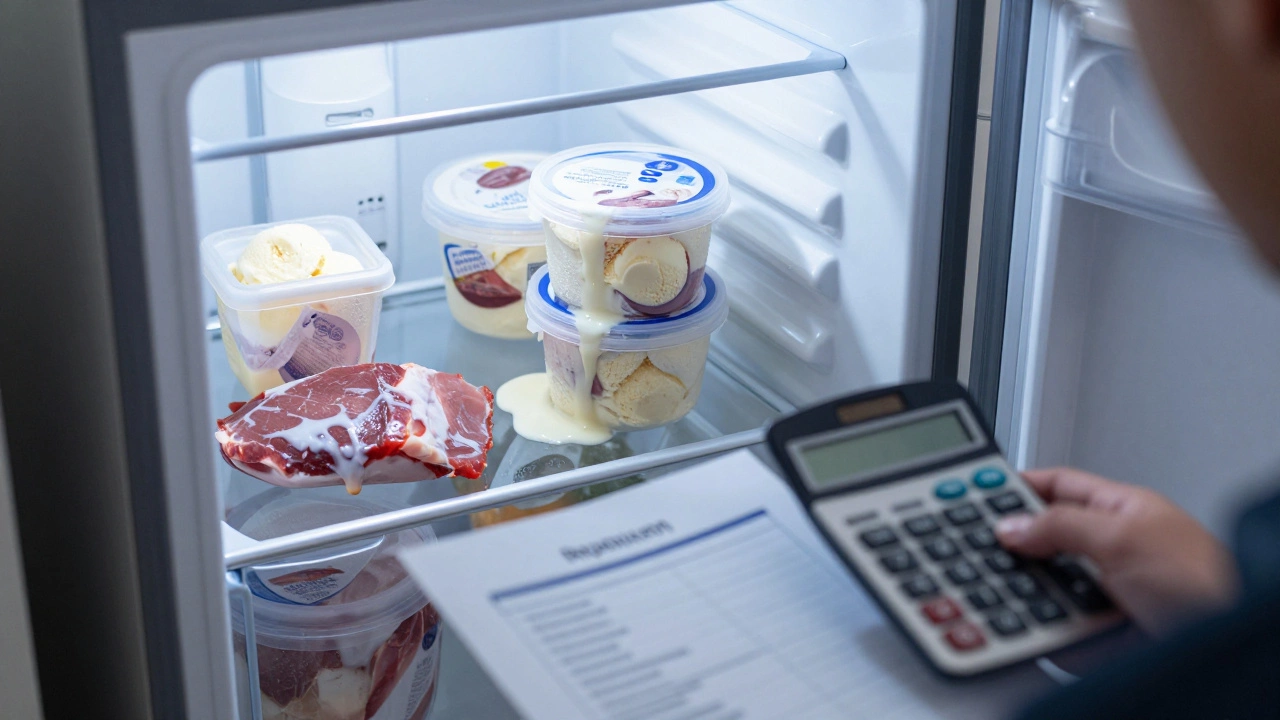
Imagine opening your freezer door and finding that the ice cream has turned into a puddle of chocolate sludge. Your meat is thawing, and the temperature gauge reads room temperature instead of zero degrees. Panic sets in, but so does the wallet anxiety. Do you call a technician for a potentially expensive fix, or do you haul the heavy box to the curb and buy a new one?
This is the classic homeowner dilemma. It’s not just about the immediate price tag; it’s about energy efficiency, reliability, and the lifespan of your food supply. Making the wrong choice can cost you hundreds of dollars in wasted electricity or spoiled groceries over the next few years.
The good news is that there is a simple mathematical rule most professionals use to make this decision instantly. You don’t need to be an engineer to figure out if your freezer repair is worth it. Let’s break down the costs, the hidden variables, and exactly when you should pull the plug on your old unit.
The Golden Rule: The 50% Threshold
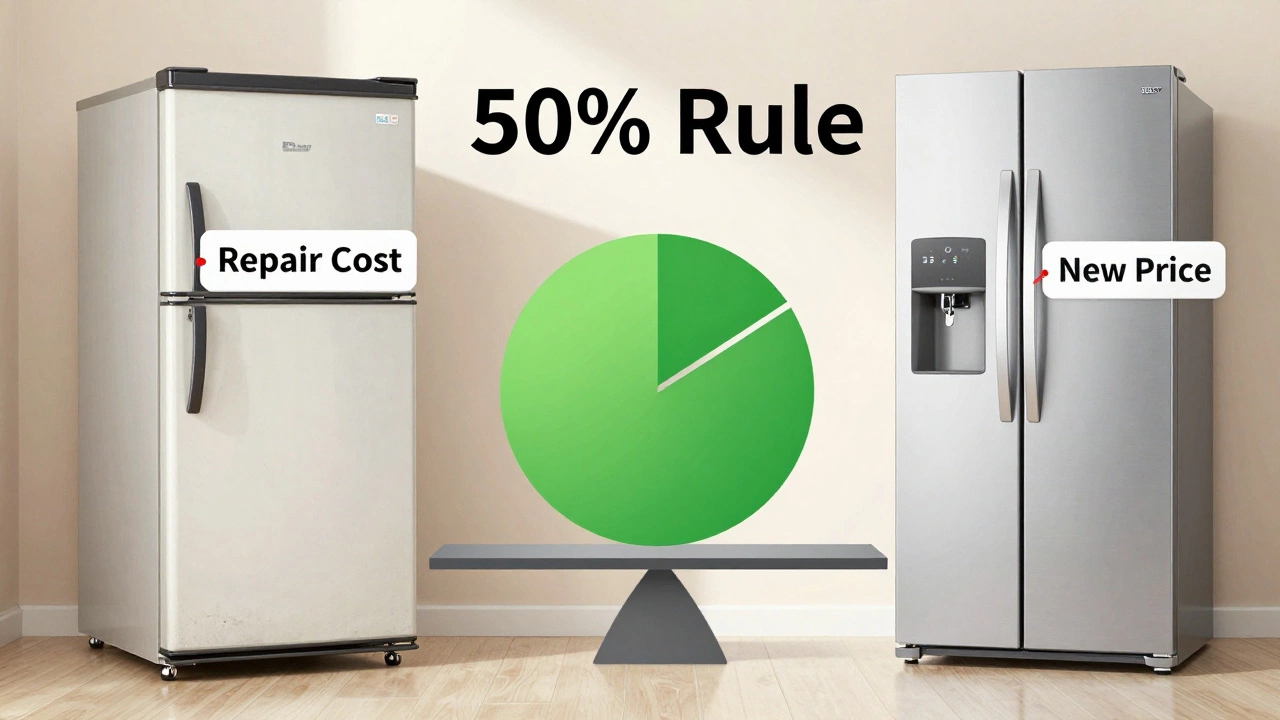
In the world of appliance service, we rely on a heuristic known as the "50% Rule." It sounds arbitrary, but it’s based on decades of warranty data and component longevity. Here is how it works:
- Get a Quote: Find out the total cost to repair the freezer (parts + labor).
- Check the Price New: Look up the price of a comparable new freezer model.
- Calculate: If the repair cost is more than 50% of the cost of a new unit, replace it.
Why 50%? Because appliances have diminishing returns. If you spend half the price of a new machine on fixing an old one, you are likely buying a short-term solution. A new freezer comes with a manufacturer’s warranty, typically ranging from one to five years. An old freezer that has failed once is statistically likely to fail again soon, often in a different component.
For example, if a standard upright freezer costs $400 new, and the repair quote is $250, you cross the threshold. At that point, replacing the unit is the financially smarter move. You get a fresh warranty, better insulation, and modern energy standards.
Understanding the Cost Drivers
Not all repairs are created equal. Some issues are minor glitches that cost less than a dinner out, while others require disassembling the entire unit. Knowing what broke helps you apply the 50% rule accurately.
| Issue | Typical Cause | Average Repair Cost | Verdict |
|---|---|---|---|
| Door Seal Leak | Worn gasket | $80 - $150 | Repair |
| Thermostat Failure | Sensor drift | $100 - $200 | Repair |
| Icing Up | Defrost heater/timer | $150 - $300 | Repair (if under 7 years old) |
| Compressor Burnout | Mechanical failure | $300 - $600+ | Replace |
| Refrigerant Leak | Corroded coil | $250 - $450 | Replace |
Notice the pattern? Minor electrical components like thermostats and heaters are cheap to fix. Major mechanical failures involving the compressor or sealed refrigerant system are expensive. The compressor is the heart of the freezer. When it dies, the cost to replace it often exceeds the value of the entire appliance, especially since labor hours skyrocket because the unit must be evacuated and recharged with gas.
The Age Factor: When Time Runs Out
Price isn't the only variable. Age matters significantly. Most freezers have a useful lifespan between 10 and 15 years. Chest freezers tend to last longer than upright models because they have fewer moving parts and better insulation retention.
If your freezer is older than 10 years, the 50% rule becomes stricter. Even if a repair costs only 30% of a new unit, consider replacing it. Why? Because other components are likely near the end of their life cycle. You might fix the defrost heater today, only for the start relay to fail three months later. You’re playing whack-a-mole with your budget.
Additionally, older units lack modern safety features and efficiency ratings. A freezer from 2010 consumes significantly more electricity than a 2026 model. The Energy Star program has tightened its standards repeatedly. By keeping an ancient unit running, you are paying a premium every month on your electric bill, which adds up to hundreds of dollars over time.
Energy Efficiency: The Hidden Cost
Let’s talk about electricity. In 2026, energy prices remain volatile. An old freezer that struggles to maintain temperature runs its compressor more frequently. This is called "short cycling," and it kills both your wallet and the motor.
A modern Energy Star-certified freezer uses approximately 20-30% less energy than models from ten years ago. If your current freezer consumes 400 kWh per year and your local rate is $0.15 per kWh, you’re spending about $60 a year. A new efficient model might drop that to $40 a year. That’s $20 saved annually. Over five years, that’s $100 back in your pocket.
But the savings go deeper. Poorly insulated doors and worn seals force the compressor to work harder. This increases wear and tear. If you live in a hot climate, this effect is amplified. The ambient heat fights the cooling system constantly. An old unit loses this battle faster, leading to higher peak demand charges on some utility bills.
Environmental Impact and Disposal
We often forget the environmental angle. Replacing an appliance generates waste. However, repairing an inefficient one wastes resources too-specifically, electricity generated by burning fossil fuels. It’s a trade-off.
When you decide to replace, ensure proper disposal. Freezers contain refrigerants like R-134a or newer R-600a (isobutane). These gases are potent greenhouse gases if released into the atmosphere. Never throw a freezer in the regular trash without professional handling. Many local waste management authorities offer bulky item pickup services that include safe refrigerant recovery. Some retailers even offer haul-away services when you buy a new unit, ensuring the old one is recycled responsibly.
Repairing extends the physical life of the product, reducing manufacturing waste. But if the repair involves replacing major metal components or using high-energy processes, the carbon footprint narrows. Generally, if the repair is minor (like a seal), the environmental benefit of repairing outweighs the cost of manufacturing a part. If the repair is major, the new unit’s efficiency usually offsets the manufacturing impact within two to three years of operation.
DIY vs. Professional Service
Can you save money by doing it yourself? Sometimes. Simple tasks like cleaning condenser coils, adjusting feet for leveling, or replacing a door gasket are DIY-friendly. A new gasket kit costs around $20-$40. If you can snap it on, you’ve saved $100+ in labor.
However, electrical diagnostics and refrigerant handling require certification. Attempting to fix a compressor or locate a leak without proper tools is dangerous and often illegal due to EPA regulations on refrigerant disposal. If the issue involves the sealed system, hire a pro. The risk of electrocution or releasing harmful gases is not worth the potential savings.
Before calling anyone, try these quick checks:
- Ensure the freezer is plugged in and the circuit breaker hasn’t tripped.
- Clean the condenser coils (usually behind or below the unit) with a brush. Dust buildup causes overheating.
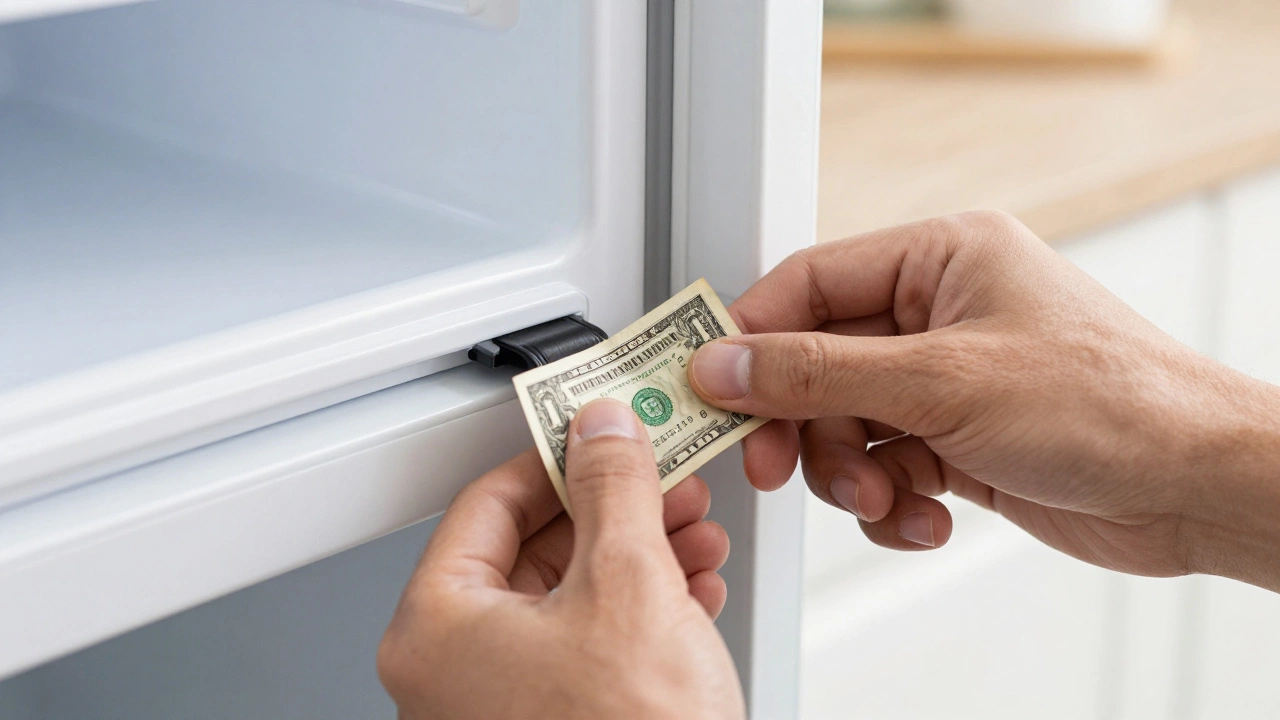
- Check the door seal by closing the door on a dollar bill. If it slips out easily, the seal is bad.
Signs Your Freezer Is Beyond Saving
Even before you get a quote, look for these red flags that suggest replacement is the only logical path:
- Frequent Repairs: If you’ve had it fixed twice in the last two years, let it go.
- Noisy Operation: Loud grinding or buzzing indicates bearing failure in the fan or compressor. These parts wear out together.
- Water Puddles: Constant leaking suggests internal drain line blockages or cracked evaporator pans, which are tedious and costly to fix permanently.
- Age: If it’s past 12 years old, assume the worst.
Your gut feeling also matters. If you dread hearing the compressor kick on, or if you constantly worry about food spoilage, the stress alone is worth the investment in a reliable new unit.
Decision Checklist
To summarize, use this quick checklist to make your final call:
- Is the repair cost > 50% of a new unit? → Replace
- Is the freezer older than 10 years? → Lean towards Replace
- Is the issue a simple seal or thermostat? → Repair
- Is the compressor or refrigerant involved? → Replace
- Do you want lower energy bills? → Replace
Don’t fall in love with your broken appliance. It’s a tool, not a pet. Make the decision that protects your food, your wallet, and your peace of mind.
How much does it cost to repair a freezer on average?
The average cost to repair a freezer ranges from $100 to $300 for minor issues like thermostats or door seals. Major repairs involving compressors or refrigerant leaks can cost between $300 and $600 or more, depending on labor rates in your area.
Is it worth repairing a 10-year-old freezer?
Generally, no. If the repair cost is significant, it is better to replace a 10-year-old freezer. Older units are less energy-efficient, lack modern warranties, and are likely to experience further breakdowns soon. Only repair if the fix is very cheap (under $100) and DIY-friendly.
What is the most common reason freezers fail?
The most common reasons for freezer failure are dirty condenser coils causing overheating, faulty defrost heaters leading to ice buildup, and failing door seals allowing warm air in. Compressor burnout is less common but more expensive.
Can I fix a freezer myself?
Yes, for simple issues. You can clean coils, replace door gaskets, and adjust leveling feet yourself. However, any issue involving electrical components inside the panel or refrigerant leaks requires a certified technician due to safety and legal regulations.
How long do freezers typically last?
Most freezers last between 10 and 15 years. Chest freezers often reach the upper end of this range due to simpler mechanics and better insulation. Upright freezers may fail sooner due to more complex components like fans and auto-defrost systems.