Freezer Power Outage Safety Checker
Answer these questions to assess whether your frozen food is safe to keep or needs to be discarded.
Recommended Actions:
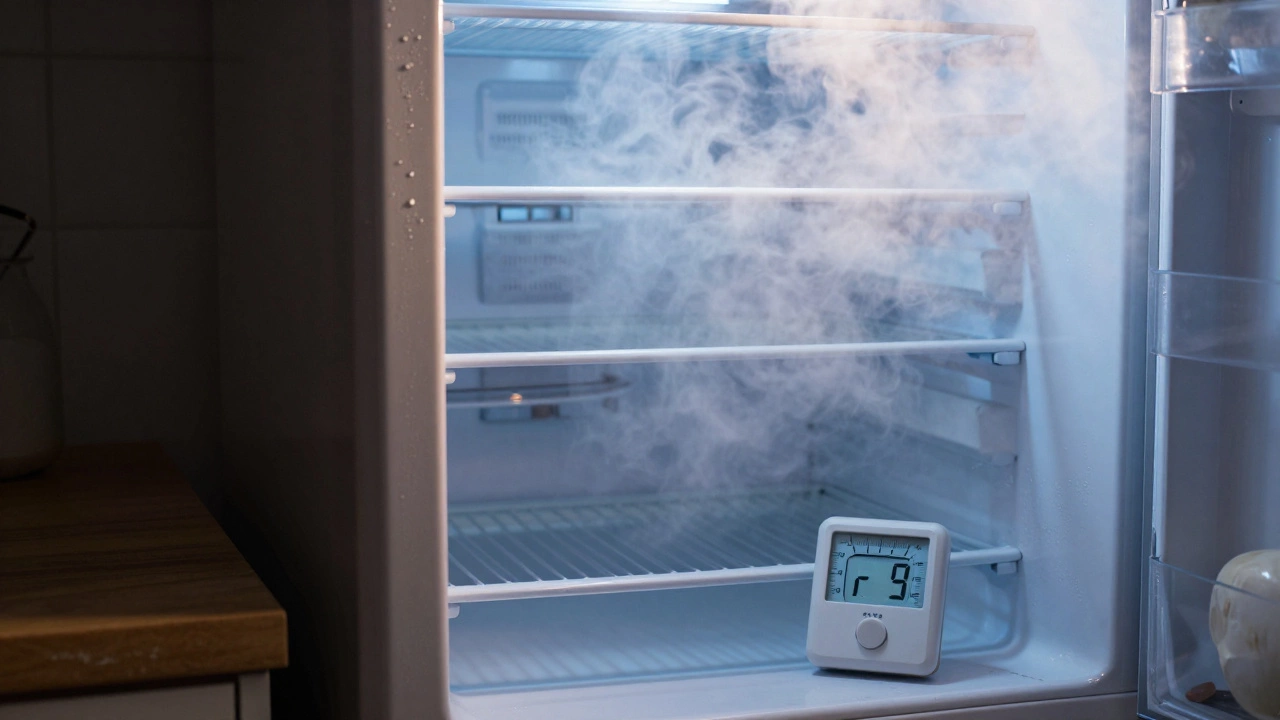
Your freezer hums to a halt. The silence is louder than the noise ever was. You open the door, and instead of frosty air, you hit a wall of warm vapor. Panic sets in immediately. That expensive salmon, the bulk-bought chicken, the holiday cookies-are they ruined? Or can you save them?
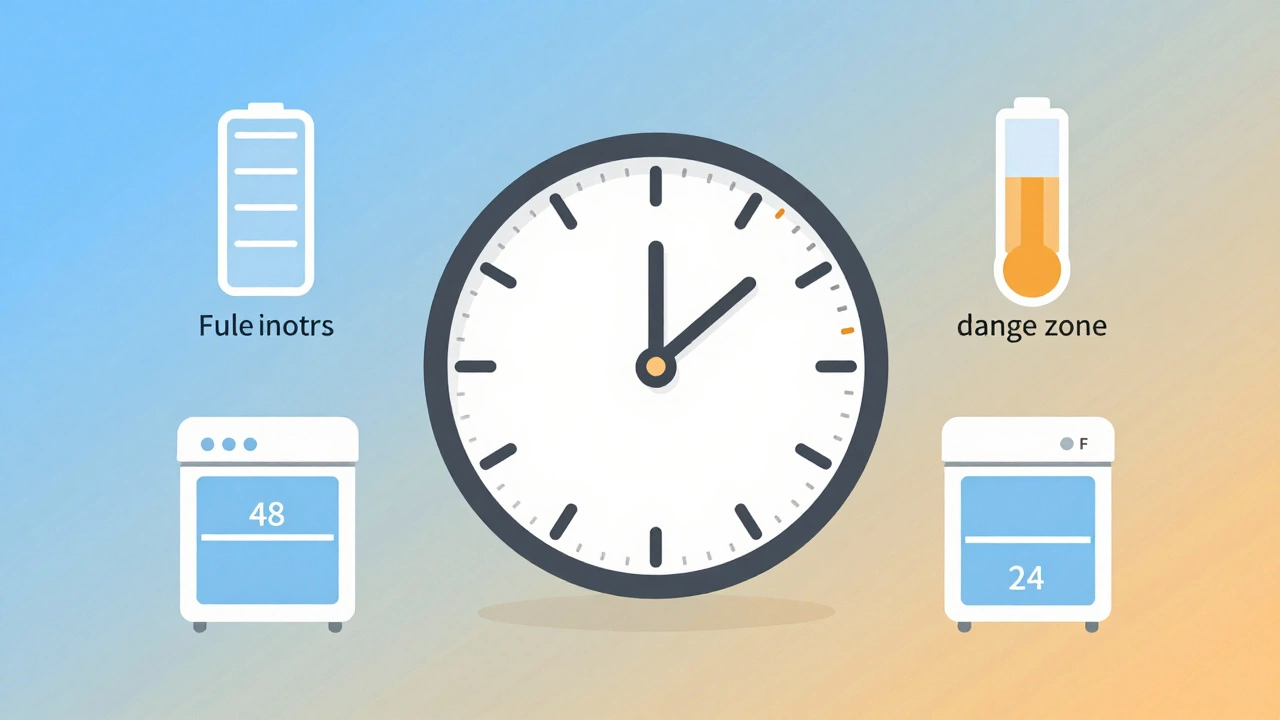
The answer isn't a simple yes or no. It depends on three things: how long the power was out, what the temperature inside reached, and whether the food has already started to thaw. Getting this wrong doesn't just mean wasting money; it means risking serious foodborne illness. Bacteria like Salmonella and E. coli don't care about your grocery bill. They thrive in the "danger zone" between 40°F (4°C) and 140°F (60°C).
The Golden Rule: When in Doubt, Throw It Out
This phrase sounds harsh, but it’s the only safe rule when dealing with perishable food. Once frozen food thaws completely, bacteria that were dormant start multiplying rapidly. Cooking might kill some bacteria, but it won’t destroy heat-stable toxins produced by certain organisms. If a package of ground beef feels soft, smells off, or looks slimy, do not taste it. Do not try to refreeze it. Compost it or trash it.
However, if the food still contains ice crystals or feels refrigerator-cold (40°F or below), it is generally safe to refreeze without cooking. The quality might drop slightly due to moisture loss, but safety remains intact. This distinction is critical for saving your inventory.
How Long Can Food Stay Safe Without Power?
A full freezer will hold its temperature for approximately 48 hours if it remains unopened. A half-full freezer lasts about 24 hours. These are estimates based on standard insulation and ambient room temperatures. In Dunedin, where summer nights can stay mild but days get warm, these timelines hold up reasonably well. However, if your kitchen is hot or the freezer is near a sunny window, subtract several hours from these estimates.
To check if food is still safe, use an appliance thermometer placed inside the freezer. If the internal temperature is 40°F (4°C) or lower, the food is likely safe. If you don’t have a thermometer, look for ice crystals. Their presence indicates the food never fully thawed. If there are no crystals and the food is completely soft, assume it has been in the danger zone too long.
| Time Without Power | Freezer Fullness | Safety Status | Action Required |
|---|---|---|---|
| Up to 24 hours | Half-full | Safe | Check for ice crystals; refreeze if present. |
| Up to 48 hours | Fully packed | Safe | Check for ice crystals; refreeze if present. |
| Over 24-48 hours | Any level | Risky | Discard any partially thawed perishables. |
| Any time | N/A | Unsafe | If food smells sour, looks slimy, or is above 40°F. |
What Foods Are Safe to Keep?
Not all frozen foods are created equal. Some items are more resilient than others. Hard cheeses, butter, and margarine can often be refrozen if they show signs of freezing. Ice cream, however, is a lost cause once it melts. Refreezing melted ice cream results in icy, grainy texture that tastes nothing like the original product. While it might not make you sick, it’s not worth eating.
Frozen fruits and vegetables are generally safe to refreeze if they contain ice crystals. The texture may become mushier after thawing and refreezing, so consider using them in smoothies, soups, or sauces rather than serving them raw. Bread products like buns and rolls can also be refrozen if they haven’t developed mold or a stale odor.
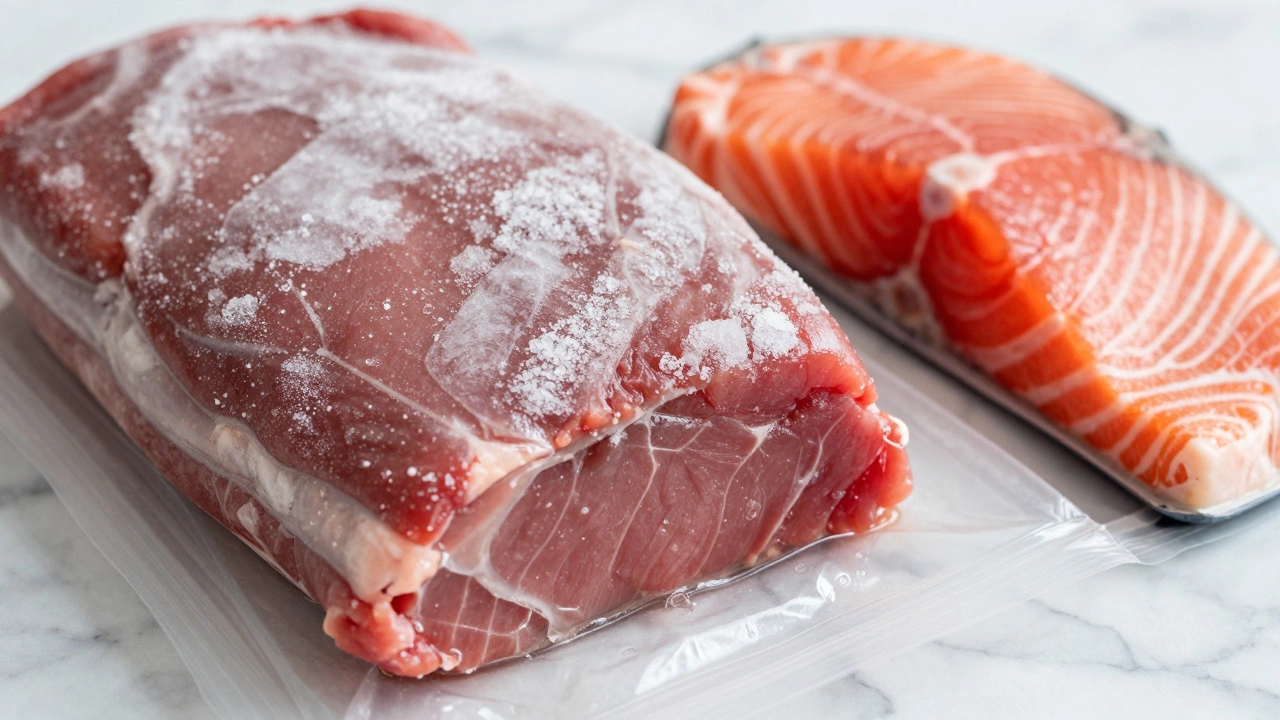
Meat, poultry, fish, and ready-to-eat cooked foods require stricter scrutiny. Ground meat, seafood, and poultry are particularly vulnerable because their high surface area allows bacteria to spread quickly. If a steak is still partially frozen in the center, you can trim the thawed portion, cook the rest immediately, and discard the questionable part. Never refreeze raw meat that has fully thawed unless you cook it first.
Signs Your Food Has Gone Bad
Your senses are your best tools here. Sight, smell, and touch provide immediate feedback. Look for discoloration-grayish tones in meat or dark spots on produce indicate spoilage. Smell is even more reliable. Sour, ammonia-like, or rotten odors are clear signals to discard the item. Touch matters too. Sliminess on meat or sticky residue on vegetables suggests bacterial growth.
If you’re unsure about a specific item, consult the USDA Food Safety and Inspection Service guidelines. They offer detailed charts for various food types. Remember, cooking does not fix spoiled food. High heat kills active bacteria but leaves behind toxins that can still cause illness.
Preventing Future Freezer Failures
Avoiding this scenario next time requires proactive maintenance. Start by cleaning the condenser coils every six months. Dust buildup forces the compressor to work harder, leading to premature failure. Check the door seals regularly. If light shines through when the door is closed, replace the gasket. Poor sealing lets cold air escape and warm air enter, straining the system.
Invest in a backup generator or UPS (Uninterruptible Power Supply) for essential appliances. Even a small battery unit can keep the freezer running during short outages. Alternatively, stock up on dry ice. Placing blocks of dry ice in the freezer can maintain sub-zero temperatures for up to two days during extended blackouts.
Consider upgrading to a modern freezer with energy-efficient features. Newer models often include alarm systems that notify you via smartphone if the temperature rises above safe levels. This early warning gives you time to act before significant damage occurs.
When to Call a Professional
If your freezer stops working frequently, it’s not just an inconvenience-it’s a warning sign. Common issues include faulty thermostats, worn-out compressors, or refrigerant leaks. Attempting DIY repairs on electrical components can be dangerous. Hire a certified technician to diagnose and fix the problem. Regular maintenance extends the lifespan of your appliance and prevents costly replacements.
In Dunedin, local appliance repair services are readily available. Choose one with positive reviews and transparent pricing. Ask about warranty coverage for parts and labor. A professional inspection can identify minor issues before they escalate into major failures.
Can I eat food that was in the freezer during a power outage?
Yes, if the food still contains ice crystals or is at 40°F (4°C) or below. Discard any food that has fully thawed and shows signs of spoilage such as off smells, slimy textures, or discoloration.
How long does a full freezer stay cold without power?
A full freezer maintains safe temperatures for approximately 48 hours if left unopened. A half-full freezer lasts about 24 hours. Ambient room temperature affects these times significantly.
Is it safe to refreeze thawed meat?
Only if the meat still has ice crystals or is at 40°F (4°C) or below. Otherwise, cook the meat thoroughly before refreezing. Never refreeze raw meat that has fully thawed and sat in the danger zone.
What should I do if my freezer stops working suddenly?
Keep the freezer door closed to preserve cold air. Use an appliance thermometer to monitor internal temperature. If possible, add dry ice or transfer perishables to another working freezer. Contact a repair technician promptly.
Does cooking spoiled food make it safe?
No. Cooking kills active bacteria but does not neutralize heat-stable toxins produced by certain pathogens. Eating contaminated food can still lead to severe foodborne illness regardless of cooking method.