Dryer Repair vs. Replacement Calculator
Enter Your Details
Analysis Result
Enter values to see analysis.
Potential Energy Savings (Heat Pump Upgrade)
Enter your repair quote and new dryer price to get a personalized recommendation based on the 50% rule and energy efficiency data.
That distinct thumping sound from the laundry room usually means one thing: your tumble dryer is on the fritz. If your machine has been running for a decade, you are likely staring at a bill for repairs and wondering if it makes financial sense to keep it going. The short answer? It depends entirely on the type of dryer you own, the specific part that failed, and how much you value your time versus your wallet.
A ten-year-old appliance is considered "elderly" in the world of home goods. Most manufacturers design these machines to last between eight and twelve years with proper care. When you hit that ten-year mark, you are entering the danger zone where one major failure often signals the beginning of the end. Before you hand over your credit card to a technician or drive to the store for a new model, let’s break down the real costs, risks, and benefits involved in this decision.
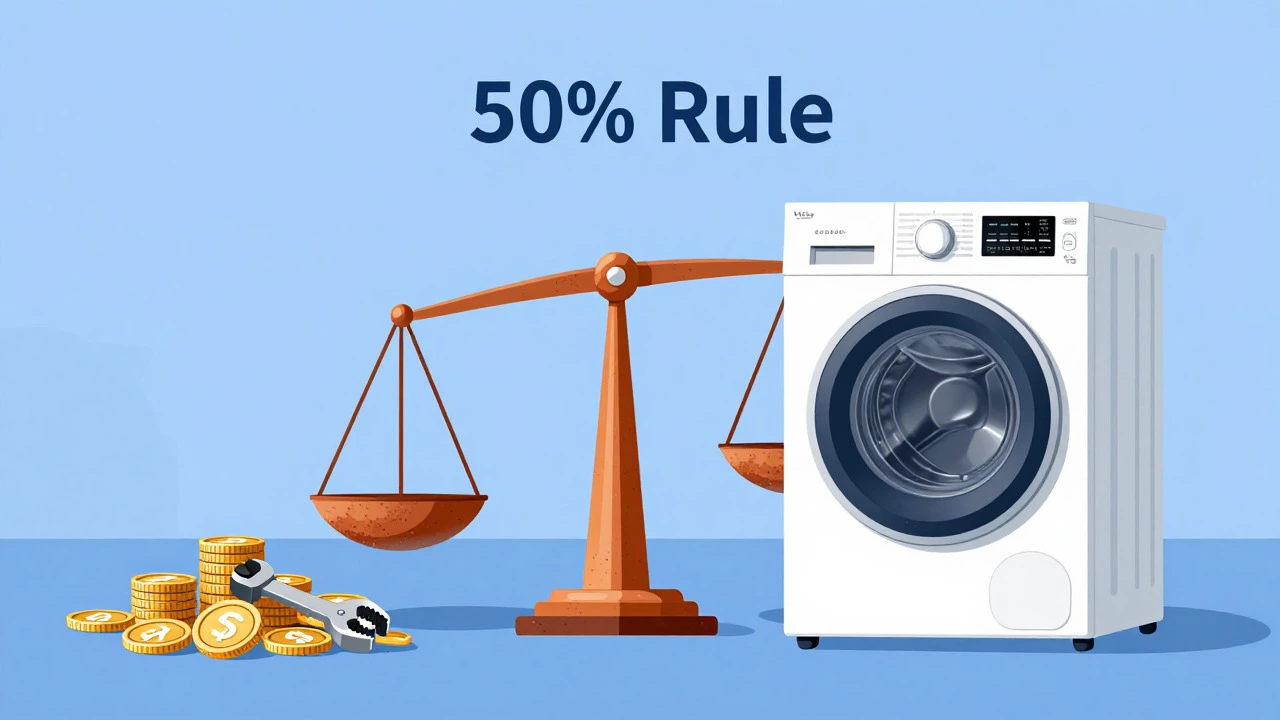
The 50% Rule: A Simple Financial Test
When deciding whether to fix or replace any major appliance, I use a simple heuristic known as the 50% rule. This rule helps you avoid emotional spending and keeps the decision strictly mathematical. Here is how it works:
- Calculate the repair cost: Get a quote from a certified technician. Include parts and labor.
- Determine the price of a new unit: Look up the cost of a comparable new dryer (same capacity and features).
- Compare the two: If the repair costs more than 50% of the price of a new machine, replace it.
Let’s say a professional repair quote comes in at $300. A new, mid-range condenser dryer costs around $600. Since $300 is exactly 50% of $600, you are right on the borderline. However, because your current unit is ten years old, the risk of another breakdown within six months is high. In this scenario, buying new is usually the smarter long-term investment. You get a fresh warranty, better energy efficiency, and peace of mind.
If the repair is only $80-perhaps just replacing a worn-out belt or a faulty door switch-that is well under the 50% threshold. In that case, fixing it is definitely worth it. But remember, cheap fixes can sometimes be a band-aid on a larger problem. Always ask your technician if other components look like they are nearing failure.
Repair Costs vs. New Dryer Prices in 2026
To make an informed decision, you need to understand the current market landscape. Appliance prices have shifted significantly due to supply chain adjustments and increased manufacturing standards for energy efficiency. Here is a realistic breakdown of what you might expect to pay in 2026:
| Item | Estimated Cost (NZD) | Notes |
|---|---|---|
| Diagnostic Fee | $80 - $120 | Often waived if you proceed with the repair. |
| Belt Replacement | $150 - $250 | Labor-intensive but common fix. |
| Heating Element | $200 - $350 | Common failure point in older units. |
| Control Board | $400 - $700+ | Usually indicates replacement is better. |
| New Entry-Level Dryer | $400 - $600 | Vented models are cheaper; basic features. |
| New Mid-Range Condenser | $600 - $900 | Energy efficient, no external vent needed. |
| New Heat Pump Dryer | $900 - $1,500+ | Highest efficiency, longest lifespan potential. |
As you can see, minor repairs like belt replacements are affordable. However, electronic failures involving the main control board or the motor can quickly push the repair cost into the range of a brand-new entry-level machine. If your ten-year-old dryer requires a new control board, the math almost always favors replacement.
Energy Efficiency: The Hidden Cost of Old Machines
Money isn’t just spent when you buy or fix a dryer; it’s also spent every time you run it. A ten-year-old dryer is likely significantly less efficient than modern models. Over the past decade, regulations and technology have improved dramatically, particularly regarding heat pump technology.
An older vented tumble dryer can consume upwards of 3,000 watts per cycle. In contrast, a modern heat pump dryer uses recycled air to dry clothes, consuming up to 50-70% less energy. Let’s put that into perspective. If you run your dryer three times a week, an old model might cost you $150-$200 a year in electricity. A new heat pump model could drop that to $50-$70 annually. That’s a saving of roughly $100+ per year.
Over five years, those savings add up to $500+. So, even if a repair is cheap today, the ongoing operational cost of keeping an inefficient machine running can outweigh the initial savings. If you live in a region with high electricity rates, switching to a newer, more efficient model pays for itself faster than you might think.
Type Matters: Vented vs. Condenser vs. Heat Pump
Not all dryers are created equal, and the type you own heavily influences the repair-vs-replace decision. Understanding your specific machine helps you gauge its remaining useful life.
- Vented Dryers: These are the oldest and simplest technology. They blow hot air through clothes and exhaust it outside. Because they have fewer complex parts, they can sometimes last longer mechanically. However, they are the least efficient. If yours breaks, consider upgrading to save on bills.
- Condenser Dryers: These trap moisture in a tank or drain line rather than venting it outside. They are more efficient than vented models but have more complex internal mechanisms. At ten years old, the condenser unit itself may be clogged or failing, which is a costly repair.
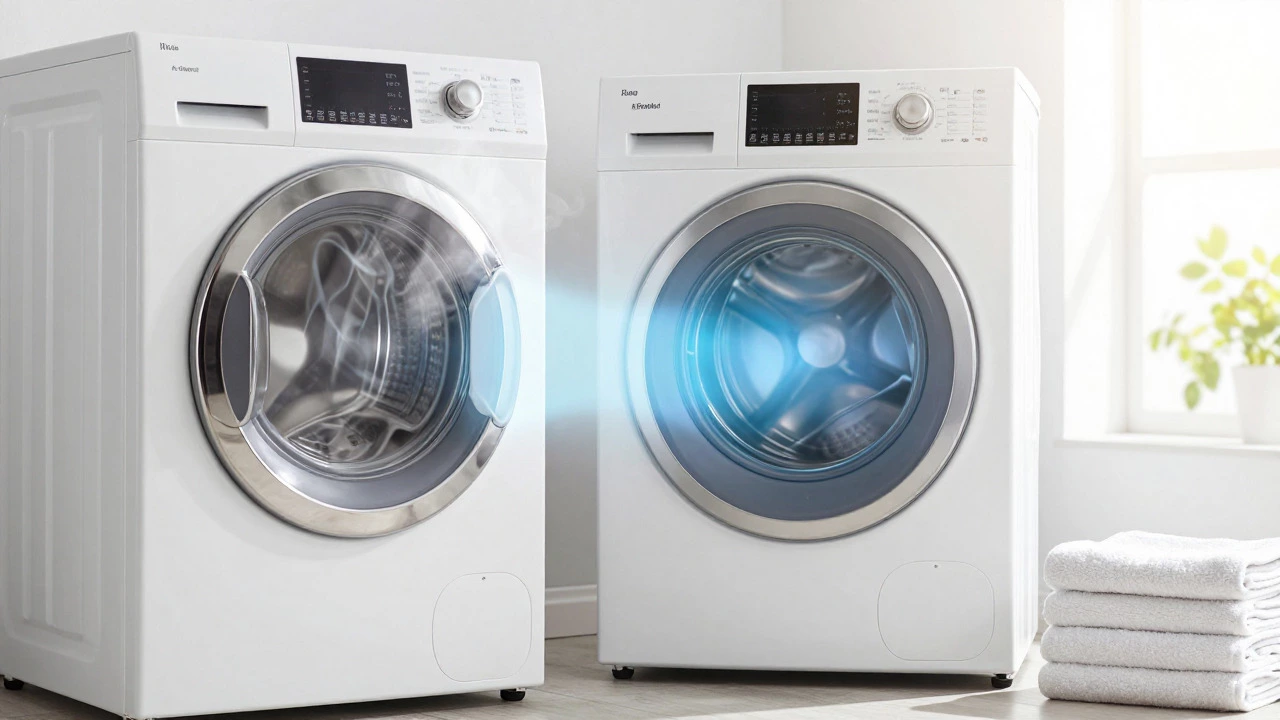
- Heat Pump Dryers: The gold standard for efficiency. They recycle warm air inside the drum. While expensive upfront, they are gentler on fabrics and incredibly cheap to run. If your ten-year-old dryer is a vented model, replacing it with a heat pump is a massive upgrade in both performance and economy.
If you currently own a vented dryer, the argument for replacement is stronger. You aren’t just fixing a broken machine; you are upgrading to a completely different class of appliance that will serve you better for the next decade.
Signs Your Dryer Is Beyond Saving
Sometimes, the numbers don’t tell the whole story. There are physical signs that indicate your dryer has reached the end of its road, regardless of the repair cost. Watch out for these red flags:
- Frequent Breakdowns: If you’ve had to call a technician more than once in the last two years, the machine is unreliable. Convenience matters. Do you want to do laundry on your schedule, or wait for parts?
- Excessive Noise: Grinding, screeching, or loud banging noises often point to bearing failure or drum support issues. These repairs are labor-intensive and expensive. Often, the noise indicates widespread wear throughout the chassis.
- Poor Drying Performance: If clothes come out damp after a full cycle, the heating element, thermostat, or airflow system is compromised. This wastes time and energy. Even if fixed, the underlying insulation or seals may be degraded.
- Visible Rust or Damage: Check the interior drum and the exterior casing. Rust compromises structural integrity and can lead to safety hazards. Plastic components become brittle over ten years and crack easily during repairs.
- Obsolete Parts: Some brands discontinue support for older models. If your technician says they have to order a generic part or source it from a third-party supplier, reliability drops. Lack of official support is a strong signal to move on.
The Environmental Angle: E-Waste and Sustainability
In our quest for sustainability, we often assume that repairing is always greener than replacing. While true for many items, appliances present a nuanced picture. An old, inefficient dryer consumes more electricity, which generates more carbon emissions depending on your local power grid mix.
Modern dryers are designed with recyclable materials and higher durability standards. By replacing an inefficient ten-year-old unit with a top-tier heat pump model, you reduce your household’s carbon footprint over the next ten years. Just ensure you dispose of the old unit responsibly. Many retailers offer take-back programs, or you can donate working parts to vocational schools or repair cafes if the main issue is isolated.
Decision Checklist: Fix or Replace?
To help you finalize your choice, run through this quick checklist. Answer honestly to each question.
- Is the repair cost less than 50% of a new comparable unit? (Yes = Lean towards Fix)
- Has the dryer been reliable for the first 9 years? (Yes = Lean towards Fix)
- Is the failure a minor component (belt, switch, filter)? (Yes = Lean towards Fix)
- Do you plan to stay in your current home for 5+ years? (Yes = Lean towards Replace with efficient model)
- Are you tired of high electricity bills? (Yes = Lean towards Replace)
If you answered "No" to most of the questions above, it is time to let go of the old dryer. If you answered "Yes," a targeted repair might extend its life comfortably for another few years.
Maintaining Your New (or Repaired) Dryer
Whether you choose to fix your current machine or invest in a new one, proper maintenance is key to maximizing its lifespan. Most premature failures are caused by neglect, not mechanical defects. Follow these steps to keep your dryer running smoothly:
- Clean the Lint Filter Every Load: This is non-negotiable. A clogged filter restricts airflow, forces the heater to work harder, and increases fire risk.
- Inspect the Vent Hose Annually: For vented dryers, check the external hose for lint buildup, kinks, or bird nests. Poor ventilation is the number one cause of overheating and motor burnout.
- Empty the Condenser Tank Regularly: For condenser and heat pump models, clean the condenser unit according to the manufacturer’s instructions. Dust and lint here reduce efficiency drastically.
- Don’t Overload: Cramping the drum prevents air circulation. Clothes won’t dry evenly, and the extra weight strains the drum bearings and motor.
- Check the Door Seal: Ensure the rubber gasket is clean and intact. Air leaks mean wasted energy and longer drying times.
A little bit of routine care can easily add two to three years to the life of any appliance. It’s cheaper than a repair and far less stressful than a sudden breakdown during laundry day.
What is the average lifespan of a tumble dryer?
The average lifespan of a tumble dryer is between 8 and 12 years. This varies based on usage frequency, maintenance habits, and the quality of the build. Heat pump dryers often last longer due to lower operating temperatures and less stress on components.
Is it safe to use a 10-year-old dryer?
Yes, provided it is properly maintained and passes safety inspections. Older dryers can pose a higher fire risk if lint filters and vents are not cleaned regularly. If the cord is frayed or the unit sparks, stop using it immediately.
How much does it cost to repair a dryer in 2026?
Repair costs typically range from $150 to $400 for common issues like belts or heating elements. Complex electronic repairs can exceed $500. Diagnostic fees alone may cost $80-$120.
Should I replace my dryer if it still works but is old?
If it still works efficiently, there is no urgent need to replace it. However, consider upgrading proactively if you want to save on energy bills or if you notice slower drying times, which indicate declining efficiency.
What are the signs that a dryer needs professional repair?
Key signs include unusual noises (grinding, squealing), failure to heat, clothes remaining damp after cycles, burning smells, or error codes on the display panel. Ignoring these can lead to more expensive damage.