Electric Oven Installation Compatibility Checker
Compare your new oven's specifications with your home's current electrical setup to identify potential safety risks.
New Oven Specifications
Existing Home Setup
The Quick Answer: Yes, But With Big Conditions
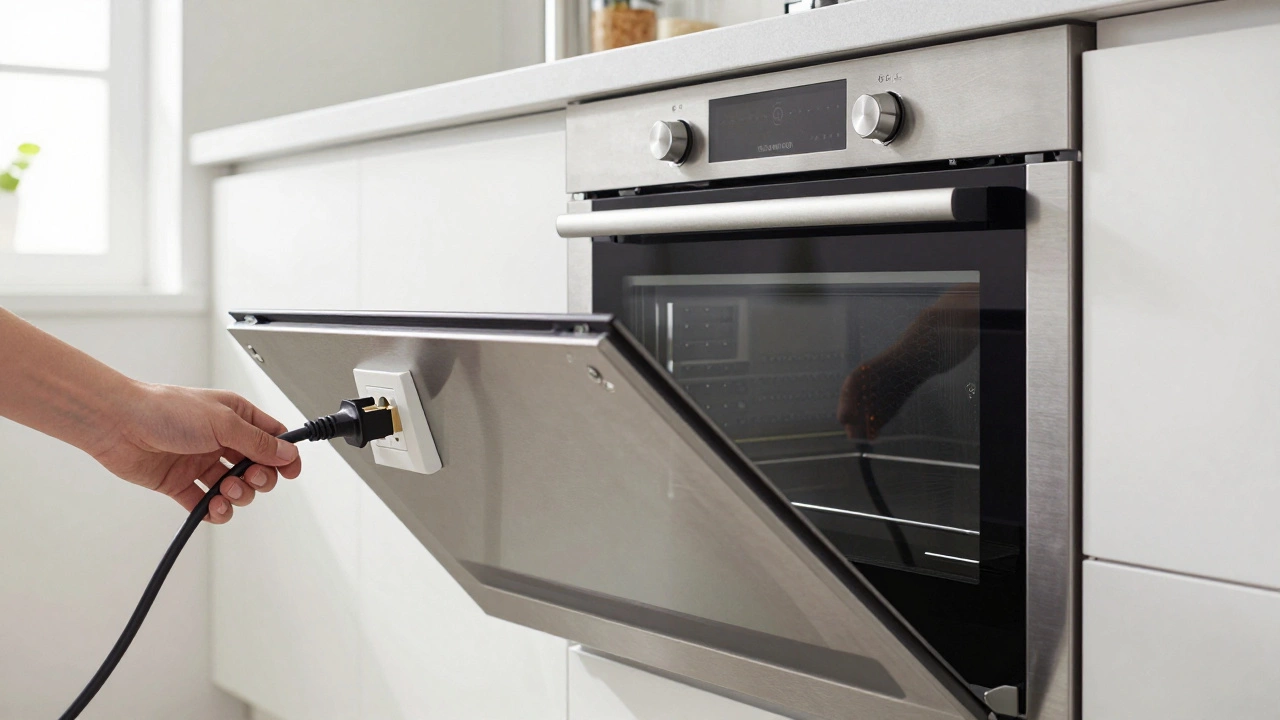
If you are replacing an old oven with a new one of the exact same type (say, a 30-inch electric range) and your home already has a dedicated high-voltage outlet, you might be able to simply plug it in. However, "plugging it in" is a bit of a misnomer. You aren't using a standard 120V socket; you're dealing with a heavy-duty 240V connection. If the new oven has different power requirements-like a higher wattage for a convection feature-your existing wiring could be insufficient.
Before you touch the plug, you need to verify three things: the voltage, the amperage, and the plug type. If any of these don't match the specs on the back of your new appliance, you're looking at a dangerous situation. Plugging a 40-amp appliance into a 30-amp circuit is a recipe for a tripped breaker at best and a melted outlet at worst.
Understanding the Power Needs
To get this right, you have to understand what's happening behind your walls. Voltage is the pressure of electricity flowing through a circuit. Standard outlets in North America provide 120V, but electric ovens need 240 Volts to heat the elements quickly enough to cook food. This requires a double-pole Circuit Breaker is an automated safety switch designed to stop the flow of electricity when a circuit becomes overloaded in your main electrical panel.
Then there is amperage. This is the volume of electricity. Most electric ovens need between 30 and 50 amps. If your home was wired decades ago, you might have a 30-amp circuit, but a modern professional-grade oven might demand 50 amps. If you force that connection, the breaker will pop the moment you try to preheat to 400°F. Even worse, if the breaker fails to trip, the wires themselves will heat up, potentially starting a fire inside your walls.
| Appliance Type | Typical Voltage | Typical Amperage | Plug Type |
|---|---|---|---|
| Small Wall Oven | 240V | 30A | 3-Prong or 4-Prong |
| Standard Electric Range | 240V | 40A | 4-Prong (Modern) |
| Professional Double Oven | 240V | 50A | Hardwired or Heavy Duty |
The 3-Prong vs. 4-Prong Dilemma
One of the biggest roadblocks in "just plugging it in" is the plug style. Older homes often have 3-prong outlets. These relied on the neutral wire to carry the ground. However, modern safety codes-specifically the National Electrical Code (NEC), which is a regional standard for the safe electrical design, installation, and inspection of electrical installations-require a 4-prong setup. The fourth prong is a dedicated grounding wire.
If your new oven has a 4-prong plug but your wall has a 3-prong outlet, do not use a cheap adapter. Adapters often bypass the ground wire, meaning if there is an electrical fault, the metal chassis of your oven could become electrified. This means you could get a severe shock just by touching the oven handle. The only safe move here is to have an electrician upgrade the outlet and the wiring to a 4-wire system.
Hardwired Ovens: No Plug at All
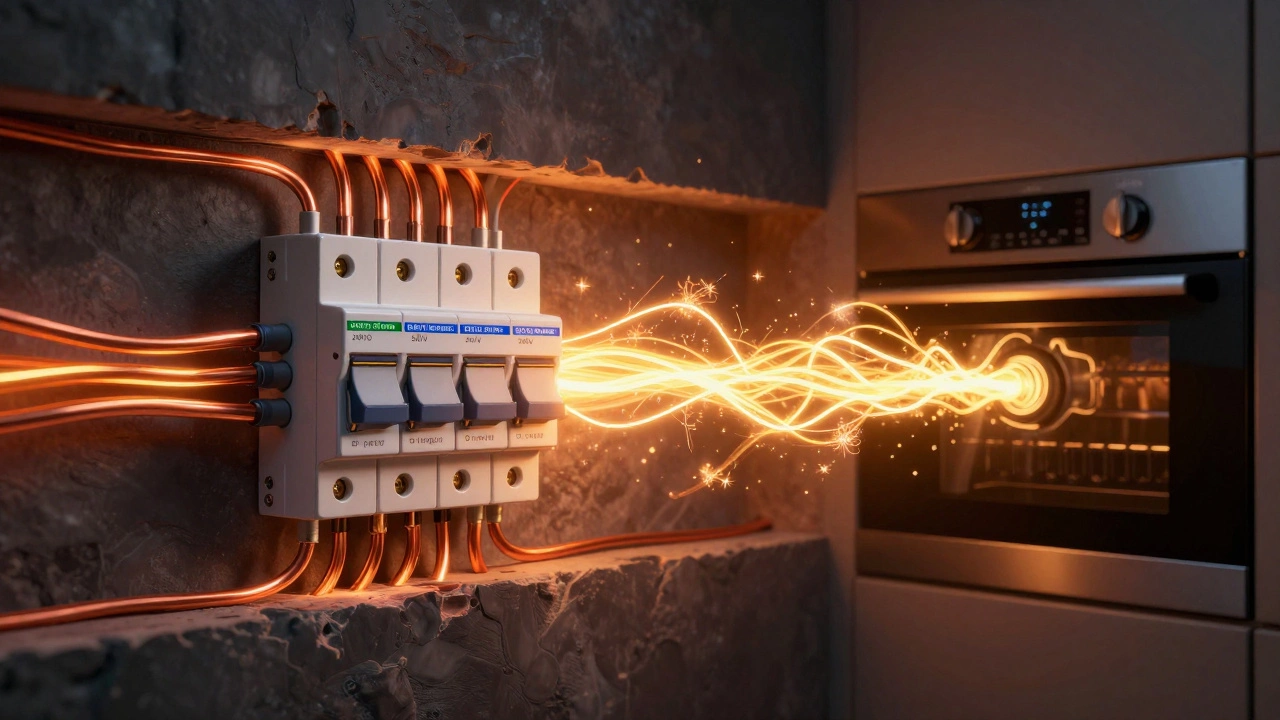
Some high-end electric ovens don't even come with a plug. They are designed to be "hardwired," meaning the electrical cable from the wall is connected directly to the oven's internal wiring using a junction box and wire nuts. If your old oven was plugged in but the new one is hardwired, you can't just "plug it in." You'll need to install a junction box or a heavy-duty disconnect switch.
Hardwiring is common for built-in wall ovens because it allows for a cleaner look and a more secure connection for appliances that pull massive amounts of current. Attempting to DIY a hardwire connection without knowing how to properly torque the lugs or strip the wires can lead to arcing, which is essentially a continuous series of tiny sparks that can ignite nearby insulation.
Common Installation Pitfalls to Avoid
Even if the plug fits, there are a few "invisible" problems that can ruin your day. First, check the clearance. Modern ovens often have different ventilation requirements. If you shove a new oven into a tight space without enough airflow, the Thermostat, which is a component that senses the temperature of the oven and controls the heating elements, might misread the ambient heat, causing the oven to shut down or overheat.
Second, don't ignore the leveling legs. A crooked oven doesn't just look bad; it can cause oil to pool on one side of a baking sheet or cause the door to seal improperly. This leads to heat leaking into your cabinets, which can warp the wood or melt the glue in your kitchen finishes.
Finally, never use an extension cord. I know it sounds obvious, but some people try to use heavy-duty extension leads to reach a distant outlet. An electric oven will draw more current than almost any extension cord can handle. The cord will overheat rapidly, and you'll likely see the plastic casing melt before the breaker even notices a problem.
When to Call a Professional
You should stop what you're doing and call a licensed electrician if you notice any of the following:
- The outlet looks charred or discolored (a sign of previous overheating).
- The plug on the new oven doesn't fit perfectly into the socket.
- You hear a buzzing or humming sound coming from the wall when you plug it in.
- Your circuit breaker trips immediately after you turn the oven on.
- You are replacing a gas oven with an electric one (you'll need a completely new 240V line installed).
A professional won't just plug it in; they'll perform a load calculation. They'll check if your main electrical panel can actually support the additional draw of a new, more powerful oven without starving your air conditioner or refrigerator of power. This is the difference between a kitchen that works and a kitchen that causes a blackout.
Is it safe to use a 3-prong to 4-prong adapter for my oven?
No, it is generally not recommended. Most adapters do not provide a true ground connection. Without a dedicated ground wire, any electrical short could energize the metal exterior of the oven, posing a significant risk of electric shock to the user.
Why does my new oven keep tripping the circuit breaker?
This usually happens because the new oven requires more amperage than the existing circuit is rated for. For example, if you have a 30-amp breaker but the oven requires 40 amps, the breaker will trip to prevent the wires from overheating. You will need an electrician to upgrade the breaker and potentially the wiring.
Can I plug an electric oven into a standard 110V wall outlet?
No. Standard household outlets provide 110V-120V, which is not enough to power the heating elements of a full-sized electric oven. The plug for a 240V oven is physically different to prevent people from accidentally trying this, as it would not work and could damage the appliance.
How do I know if my oven is hardwired or plugged in?
Pull the oven slightly away from the wall. If you see a thick cable ending in a large pronged plug that goes into a socket, it's a plug-in model. If the cable goes directly into a metal box in the wall without a plug, it is hardwired.
Do I need to change my wiring if I upgrade to a convection oven?
Not necessarily, but you should check the manual. Convection ovens use a fan to circulate air, and some high-end models with multiple heating elements may draw more power than a basic radiant oven. Check the total kilowatt (kW) rating of the new oven against your current circuit capacity.
Next Steps for a Safe Setup
If you're staring at your new oven and feeling unsure, start by reading the "Electrical Requirements" section of the user manual. Note the required voltage and amperage. Compare these to the label on your circuit breaker in the electrical panel. If the numbers match and you have a 4-prong outlet for a 4-prong plug, you're likely good to go. If the numbers don't match, or if you see any signs of old, brittle wiring, put the plug down and call a pro. It's a small price to pay for the peace of mind that your house isn't going to burn down while you're baking a cake.