Electric Hob Repair vs. Replace Calculator
This tool helps you determine whether it's more economical to repair your electric hob or replace it completely. Based on your hob's age, repair costs, and new model pricing, we'll calculate the most cost-effective option while considering safety and energy efficiency.
Important: If your hob is over 12 years old, replacement is almost always the smarter choice due to parts availability, energy efficiency, and safety features. Repair costs often exceed the value of the unit.
Most people don’t think about how long their electric hob will last until it stops working. Then suddenly, you’re standing in front of a cold stove, wondering if it’s worth fixing or if you should just buy a new one. The truth? A well-maintained electric hob can last 10 to 15 years. But if it’s been abused, neglected, or poorly installed, it might give out in as little as five. This isn’t just about age-it’s about how you use it, what kind of damage it takes, and whether you catch small problems early.
What Actually Wears Out on an Electric Hob?
Electric hobs don’t have burners that burn out like gas flames. Instead, they rely on heating elements, control boards, switches, and glass-ceramic surfaces. Each of these has a different lifespan.
The heating elements-those coiled wires under the glass-are the most common failure point. They can last 10+ years if you avoid spills that seep underneath and don’t drag heavy pots across the surface. But if you’ve ever dropped a cast iron pan on the hob or left boiling water to boil dry, you’ve already shortened its life. Moisture and grit get into the seals, and over time, the element’s insulation breaks down. That’s when you start getting uneven heating or no heat at all.
The control panel is another weak spot. Touch controls can become unresponsive after years of repeated taps, especially if someone’s been cleaning them with harsh sprays or wet cloths. Older models with physical dials tend to last longer because there’s less electronics to fail. But even those can develop loose connections inside the unit.
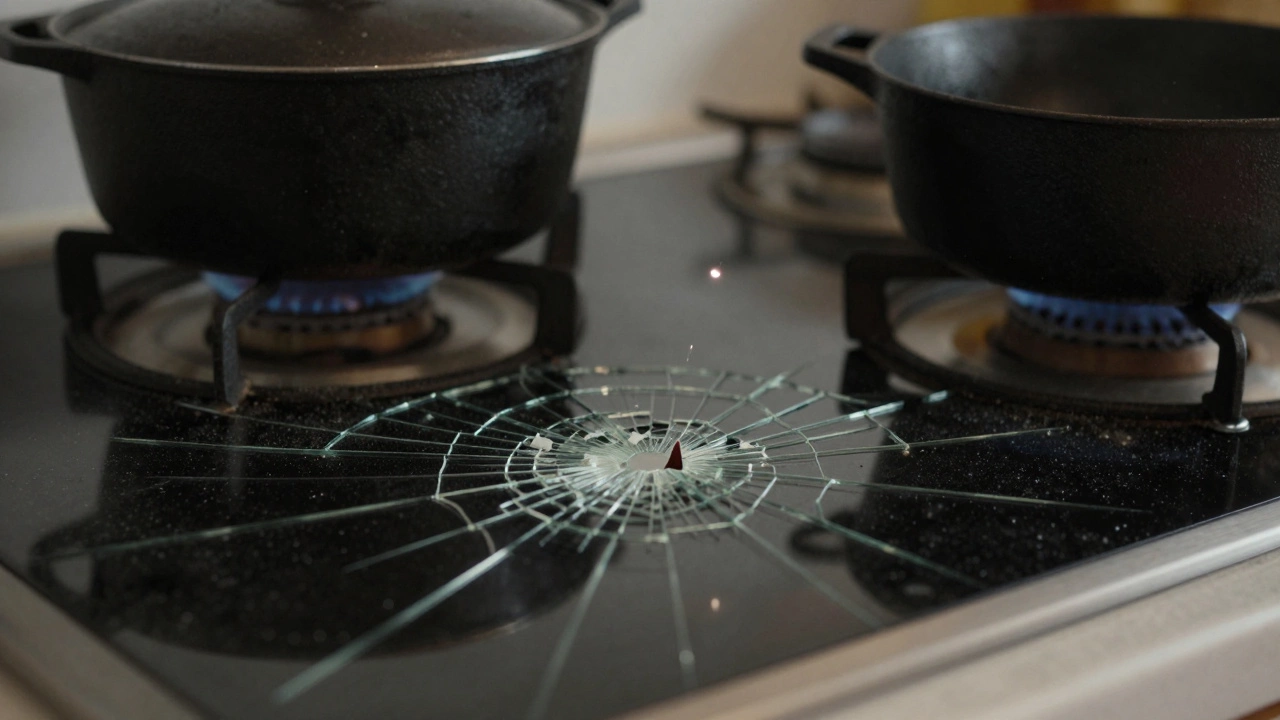
The glass-ceramic surface itself doesn’t wear out, but it can crack. Not from heat-electric hobs don’t get hot enough for that-but from impact. A dropped pot, a falling lid, or even a heavy kettle knocked off the counter can cause hairline fractures. Once it cracks, moisture gets in, and the risk of electrical shorts rises. That’s when repair becomes dangerous, not just expensive.
Signs Your Electric Hob Is Near the End
You don’t need to wait for total failure to know your hob is dying. Watch for these red flags:
- One or two zones take forever to heat up-or don’t heat at all
- The display flickers, shows error codes like E1 or F3, or goes blank entirely
- Sparks or buzzing sounds come from the control panel when you turn it on
- The surface feels warm even when the hob is off (a sign of internal wiring failure)
- You’ve had to replace the same element twice in under three years
These aren’t normal aging signs. They’re symptoms of deeper problems. Replacing a single element might cost $80-$150. But if the control board is failing too, the repair bill could hit $400. That’s often more than half the price of a new entry-level hob.
How to Make Your Electric Hob Last Longer
If your hob is still working and you want to squeeze out another five years, here’s what actually works:
- Don’t clean with abrasive pads. Use a dedicated ceramic hob scraper and a soft cloth. Steel wool or harsh powders scratch the surface, letting moisture in.
- Wipe spills immediately. Sugar, salt, and acidic sauces (like tomato sauce) can etch the glass over time. Let them sit, and you’re inviting permanent damage.
- Use flat-bottomed pots. Warped or uneven cookware doesn’t make good contact with the heating zone. That forces the element to work harder, overheating the circuit.
- Don’t slide pots. Lift them instead. Dragging pots across the surface grinds grit into the glass and can dislodge the heating element underneath.
- Check the power supply. If your hob is on a shared circuit with the microwave or kettle, voltage drops can stress the electronics. A dedicated 240V circuit is ideal.
These aren’t just tips-they’re habits that professional appliance technicians see in hobs that last 15+ years. One customer in Dunedin had a 2010 model still running perfectly because she never used a sponge on it and always lifted her pots. She’s still using it in 2025.
When to Repair vs. Replace
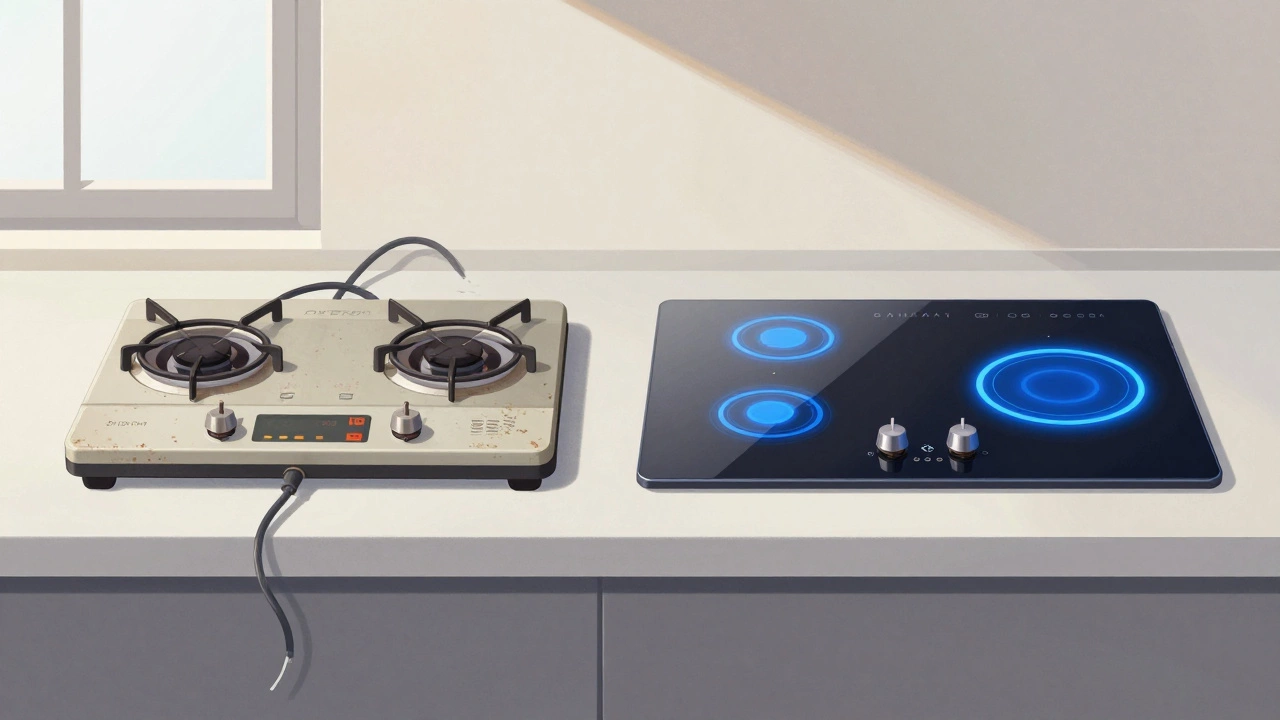
Here’s a simple rule: if the repair cost is more than 50% of the price of a new hob, walk away.
Let’s say your hob is 8 years old. A new basic model costs $600. You’re quoted $350 to replace the control board and one element. That’s 58%. Even if it works again, you’re risking another failure in 1-2 years. And the new one will be more efficient, safer, and have better controls.
On the other hand, if it’s only $120 to fix a single element and the rest is solid? Go for it. Especially if you’ve got a high-end brand like Siemens or Bosch. Those are built to last.
But if your hob is over 12 years old? Replacement is almost always the smarter move. Parts get harder to find. Energy efficiency drops. And newer models have features like automatic shut-off, zone sensing, and child locks that make them safer and easier to use.
What Happens When You Wait Too Long?
Some people delay replacing a failing hob because they think, “It’s still working, just slow.” But waiting can turn a small problem into a big one.
A cracked surface might seem harmless-until water leaks into the wiring and trips your circuit breaker. That’s not just inconvenient. It’s a fire risk. One technician in Christchurch told me about a house where the hob’s internal wiring melted because the owner ignored a buzzing sound for six months. The whole kitchen needed rewiring.
Older hobs also lack modern safety features. If your hob doesn’t have overheating protection or auto-shutoff, you’re relying entirely on your own memory. That’s risky if you’ve got kids, pets, or a busy schedule.
And let’s not forget efficiency. A 15-year-old hob uses about 20% more electricity than a new one. Over five years, that adds up to hundreds of dollars in wasted power. That’s money you could’ve spent on a new unit.
What to Look for in a New Electric Hob
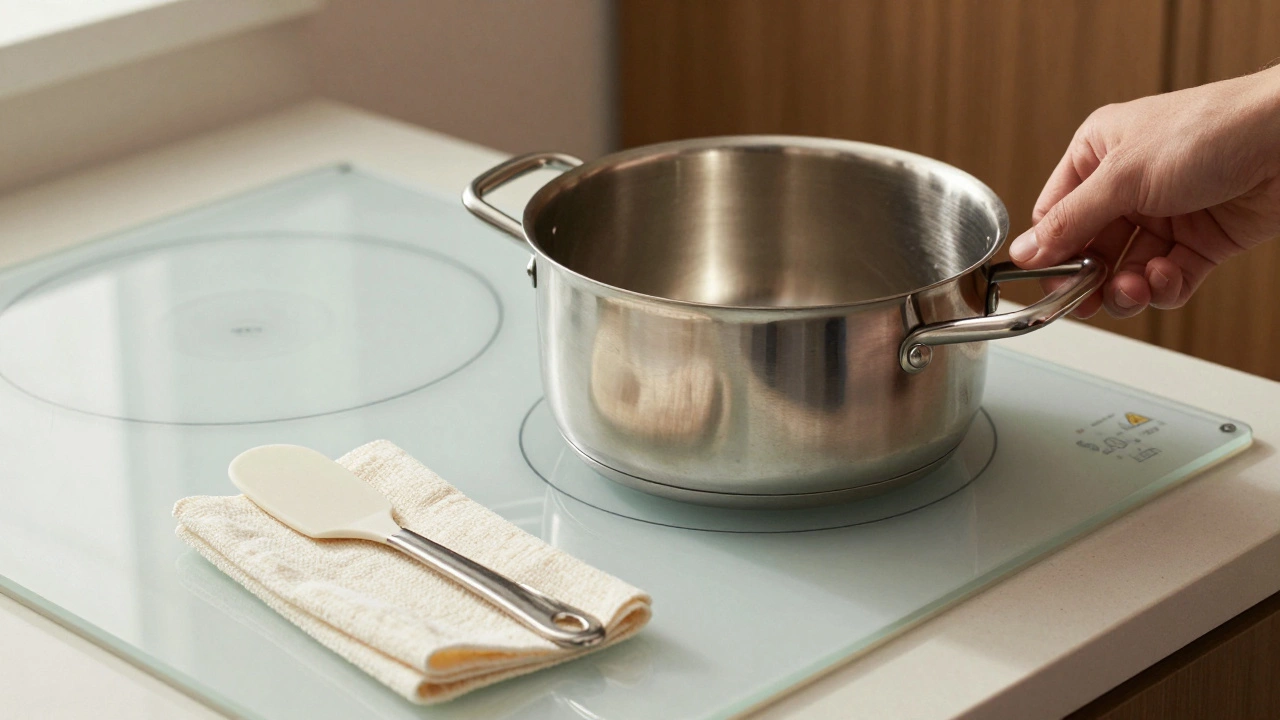
If you’re replacing, here’s what matters most:
- Zone size flexibility - Some hobs let you combine two zones for larger pots.
- Residual heat indicators - Shows you when the surface is still hot, even after turning off.
- Child lock - Prevents accidental activation.
- Easy-to-clean surface - Look for smooth, non-porous glass with no raised edges.
- Warranty - At least two years, preferably five for the heating elements.
Brands like Indesit, Smeg, and Hotpoint offer reliable mid-range models under $700. If you want something with better build quality, Bosch and Siemens are worth the extra $200. They use thicker glass, better seals, and more durable controls.
And don’t assume more expensive means longer life. A $1,500 hob isn’t necessarily going to last longer than a $700 one. What matters is how it’s built-not how much it costs.
Final Thought: It’s Not About Age, It’s About Care
There’s no magic number for how long an electric hob lasts. Some fail at six. Others run for 18. It all comes down to how you treat it. Treat it like a tool, not a decoration. Clean it right. Don’t abuse it. Pay attention to the small signs before they become big problems.
If your hob is still working after 10 years, you’ve done something right. But if it’s showing signs of struggle, don’t wait for it to die in the middle of cooking dinner. Replacing it now saves you stress, money, and maybe even a fire.
Can I repair an electric hob myself?
Only if you’re trained. Electric hobs run on 240V power and contain live wiring even when turned off. Replacing a heating element might seem simple, but if you disconnect the wrong wire or damage the glass seal, you risk electric shock or fire. Most manufacturers void the warranty if you open the unit yourself. Leave repairs to licensed technicians.
Do electric hobs use a lot of electricity?
Compared to gas, yes-but modern electric hobs are much more efficient than older ones. A typical four-zone electric hob uses about 1.5-2.5 kW per hour when all zones are on full. That’s similar to running a space heater. But newer models with induction technology (which heats the pan directly) use up to 40% less power. If you’re upgrading, consider induction-it’s faster, safer, and cheaper to run.
Is it worth repairing a 12-year-old electric hob?
Usually not. By 12 years, most components are worn out, parts are harder to find, and energy efficiency is poor. A repair might cost $300-$500, but the new hob will be more reliable, safer, and use less power. You’ll break even on electricity savings in under two years. Plus, modern hobs have better safety features you won’t get with an old model.
Why does my electric hob turn off by itself?
This is usually a safety feature kicking in. Overheating, voltage fluctuations, or a failing thermostat can trigger automatic shut-off. If it happens often, it’s not just annoying-it’s a sign the control board or sensors are failing. Don’t ignore it. Resetting it won’t fix the root cause. Get it checked before it stops working entirely.
How do I know if my hob’s glass surface is cracked or just scratched?
Scratches are surface marks you can feel with your fingernail but don’t break the glass. Cracks go all the way through. Run your finger along the line-if you feel a ridge or gap, it’s cracked. If you see light through it or water pools in the line, it’s definitely cracked. Cracks are dangerous. Stop using the hob immediately and call a technician.
If your hob is still working, keep it clean and watch for warning signs. If it’s showing age, don’t wait for disaster. A new hob isn’t just an upgrade-it’s an investment in safety, efficiency, and peace of mind.