Heat Pump Repair vs. Replace Decision Tool
Use the 50% rule and efficiency estimates to make an informed decision about your heating system.
Current System Details
Recommendation
ReplaceFinancial Analysis (The 50% Rule)
Repair Threshold: $1,250
If repair cost > 50% of new unit price, replacement is generally recommended to avoid future failures without warranty.
Efficiency & Age Factors
Verdict
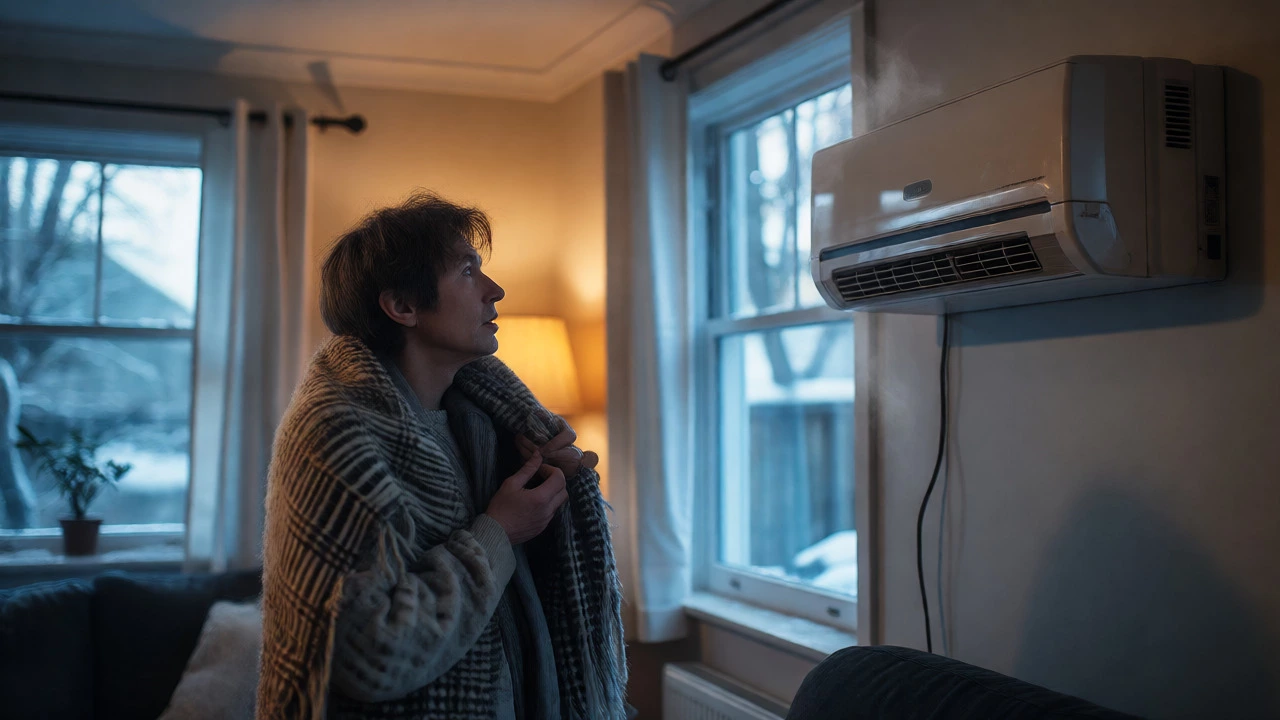
You’re standing in your living room, shivering despite the heat pump running at full blast. The unit is humming loudly, maybe even rattling a bit, and your electricity bill for last month was higher than you expected. It’s a familiar scenario for many homeowners in Dunedin and across New Zealand. You wonder: should you call a technician for a quick fix, or is it time to face the expensive reality of buying a new system?
Here’s the hard truth: there is no single switch that tells you "replace me." Instead, it’s about spotting patterns. A heat pump is a long-term investment, typically lasting between 10 and 15 years depending on usage and maintenance. But knowing when to pull the trigger requires looking at age, performance, repair costs, and energy efficiency. If you ignore these signs, you might end up paying more in wasted power and emergency repairs than the cost of a new unit.
The Age Factor: Is Your Unit Past Its Prime?
Let’s start with the most obvious metric: age. Most modern inverter heat pumps are designed to last around 10 to 15 years. If your unit is under 8 years old, replacement is rarely necessary unless there has been catastrophic damage, like a refrigerant leak that corroded the coils beyond repair.
However, once you hit the 10-year mark, things change. Technology moves fast. A heat pump from 2016 operates differently than one built in 2026. Older units often lack the advanced smart features and variable-speed compressors that define today’s models. If your unit is nearing 12 or 13 years, you are entering the danger zone where parts become harder to find and less efficient. In New Zealand, where winters can be damp and cold, pushing an aging unit too far often results in a complete compressor failure during the coldest week of July.
Repair Costs vs. Replacement Value
This is the golden rule every homeowner should know: the 50% rule. If the cost to repair your current heat pump exceeds 50% of the price of a new, comparable model, replace it. Why? Because paying half the price of a new unit to fix an old one leaves you with zero warranty protection on the rest of the system. You could spend $400 fixing a fan motor today, only to have the control board fail next month.
Consider this practical example. Say a new 6kW split-system heat pump costs $2,500 installed. If a technician quotes you $1,300 to replace the capacitor and recharge the gas, that’s over 50%. At that point, you are throwing good money after bad. Conversely, if the quote is $200 for a simple sensor replacement on a 7-year-old unit, go ahead and fix it. Always ask your technician for a written comparison of repair versus replacement costs before agreeing to work.
Performance Issues: When It Just Doesn’t Heat Right
Is your heat pump struggling to maintain the set temperature? Maybe it takes 45 minutes to warm up a small bedroom, whereas it used to take 15. This loss of capacity is a major red flag. It usually points to one of two things: a refrigerant leak or a failing compressor.
Refrigerant leaks are common in older units due to vibration loosening pipe joints or corrosion from coastal air-something we deal with plenty here in Dunedin. While topping up the gas is cheap, finding and fixing the actual leak can be labor-intensive. If the leak is inside the indoor coil, repair is often impossible without replacing the entire indoor unit.
Then there’s the compressor, the heart of the system. If it’s making grinding, knocking, or screeching noises, it’s dying. Replacing a compressor often costs nearly as much as a new outdoor unit because of the labor involved. If your compressor is noisy and inefficient, replacement is almost always the smarter financial move.
Energy Efficiency and Rising Bills
Keep an eye on your power bills. Have they crept up significantly over the last two winters? An old heat pump might have a Coefficient of Performance (COP) of 3.0, meaning it delivers three units of heat for every one unit of electricity. Modern high-efficiency models can achieve a COP of 4.5 or higher. That’s a massive difference in running costs.
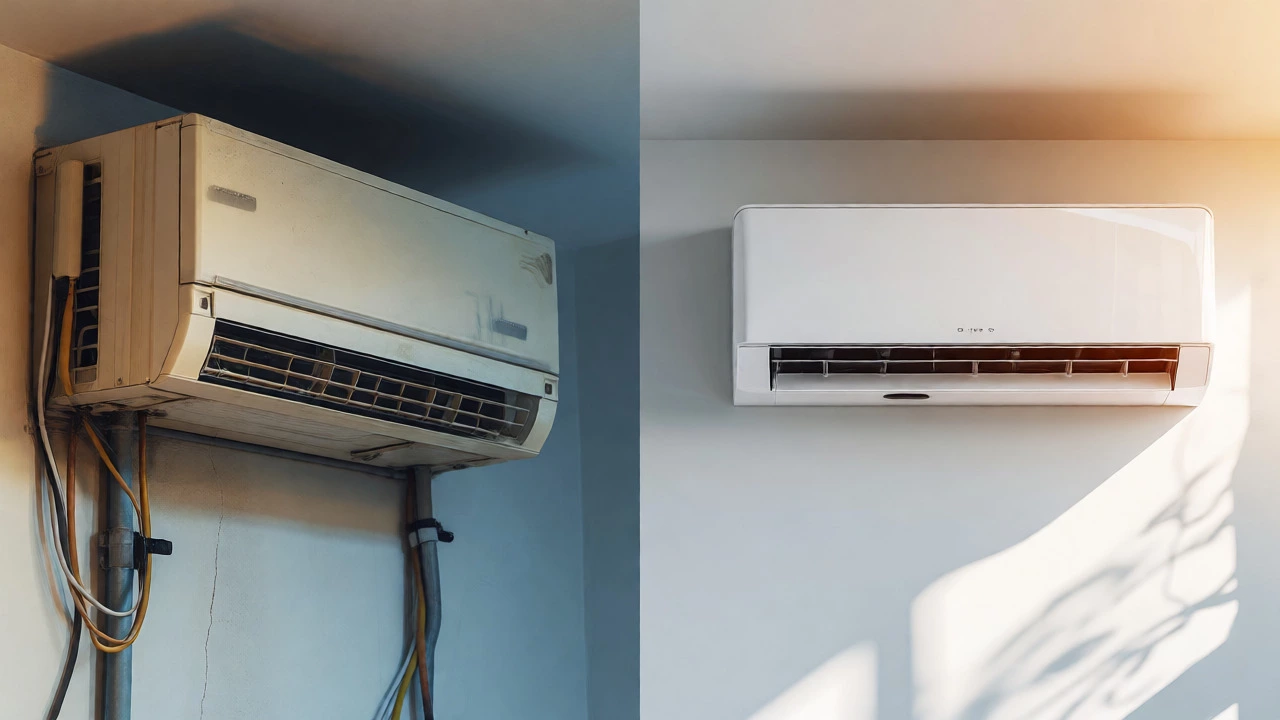
| Feature | Older Model (Pre-2015) | Modern Model (2026) |
|---|---|---|
| Average COP | 3.0 - 3.5 | 4.0 - 5.0+ |
| Noise Level (dB) | 45 - 55 dB | 19 - 35 dB |
| Smart Control | Basic Timer | Wi-Fi/App Integration |
| Defrost Cycle | Frequent Interruptions | Continuous Heating Tech |
If you notice your house feels drafty or unevenly heated, your unit might be short-cycling. This happens when the thermostat reaches the target temperature quickly but then shuts off, causing the compressor to restart frequently. Short cycling wears out components faster and wastes energy. Modern inverters adjust their speed rather than turning on and off, providing steady warmth and lower bills.
Environmental Factors and Installation Quality
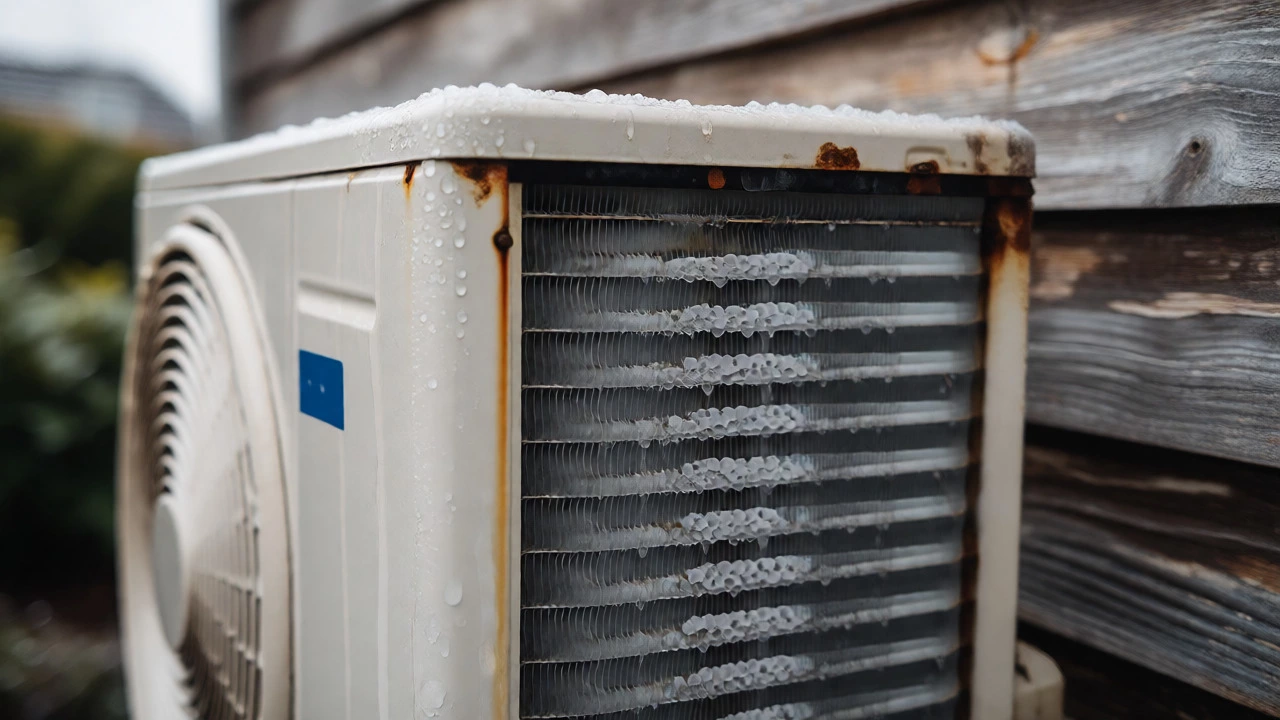
In New Zealand, installation quality matters immensely. If your original installer didn’t properly vacuum the lines or secure the outdoor unit, you might face issues earlier than expected. Check for ice buildup on the outdoor coils during defrost cycles. Some ice is normal, but thick layers that don’t melt indicate airflow problems or low refrigerant.
Also, consider changes in your home. Did you add insulation? Install double glazing? If your home is now more energy-efficient, your old oversized heat pump might be short-cycling excessively. In some cases, downsizing to a smaller, more efficient unit saves money. Conversely, if you’ve added rooms, your old unit might simply be undersized, forcing it to run non-stop and wear out prematurely.
Maintenance History: The Hidden Indicator
Did you service your heat pump annually? Filters clogged with dust reduce airflow, forcing the system to work harder. Over five years, this strain can kill a fan motor or freeze the evaporator coil. If you’ve neglected maintenance, some performance issues might be solvable with a deep clean. However, if you’ve serviced it regularly and it’s still struggling, the internal components are likely worn out.
Check the filters yourself first. If they’re black with grime, clean them and see if performance improves. If not, call a professional. A technician can check the electrical connections and gas pressure. Be wary of technicians who push replacement immediately without checking simple fixes like dirty filters or blocked vents outside.
When to Call a Professional
You don’t need to guess. Book a diagnostic assessment if you experience:
- Unusual smells (burning plastic or electrical ozone).
- Water leaking indoors that persists after cleaning the drain line.
- The unit trips your circuit breaker repeatedly.
- Visible rust on the outdoor casing affecting the fins.
A reputable NZ installer will give you a clear verdict. They’ll look at the brand reputation, part availability, and your specific usage patterns. Remember, brands like Daikin, Mitsubishi Electric, and Panasonic have strong support networks in New Zealand, which can extend the life of their units through reliable spare parts supply.
How long do heat pumps last in New Zealand?
Typically, heat pumps in New Zealand last between 10 and 15 years. Coastal areas like Dunedin may see shorter lifespans due to salt air corrosion, while well-maintained inland units can sometimes reach 18 years. Regular servicing significantly extends this timeframe.
Is it cheaper to repair or replace a 10-year-old heat pump?
Use the 50% rule: if the repair cost is more than half the price of a new unit, replace it. For a 10-year-old unit, major component failures like compressor or coil leaks usually justify replacement because newer models are significantly more energy-efficient and quieter.
Why is my heat pump blowing cold air?
This could be a normal defrost cycle where the unit melts ice off the outdoor coil, temporarily blowing cool air. If it stays cold for more than 10-15 minutes, it likely indicates low refrigerant levels, a faulty reversing valve, or a sensor issue requiring professional diagnosis.
Can I install a heat pump myself?
While DIY kits exist, professional installation is highly recommended in New Zealand. Proper vacuuming of refrigerant lines, correct piping slope, and electrical compliance are critical for efficiency and safety. Poor installation voids warranties and leads to early failure.
Do heat pumps work in freezing temperatures?
Yes, modern inverter heat pumps work efficiently down to -15°C or even -25°C. However, their efficiency drops as temperatures fall. In very cold snaps, they may rely more on electric backup heaters, increasing running costs slightly compared to milder weather.