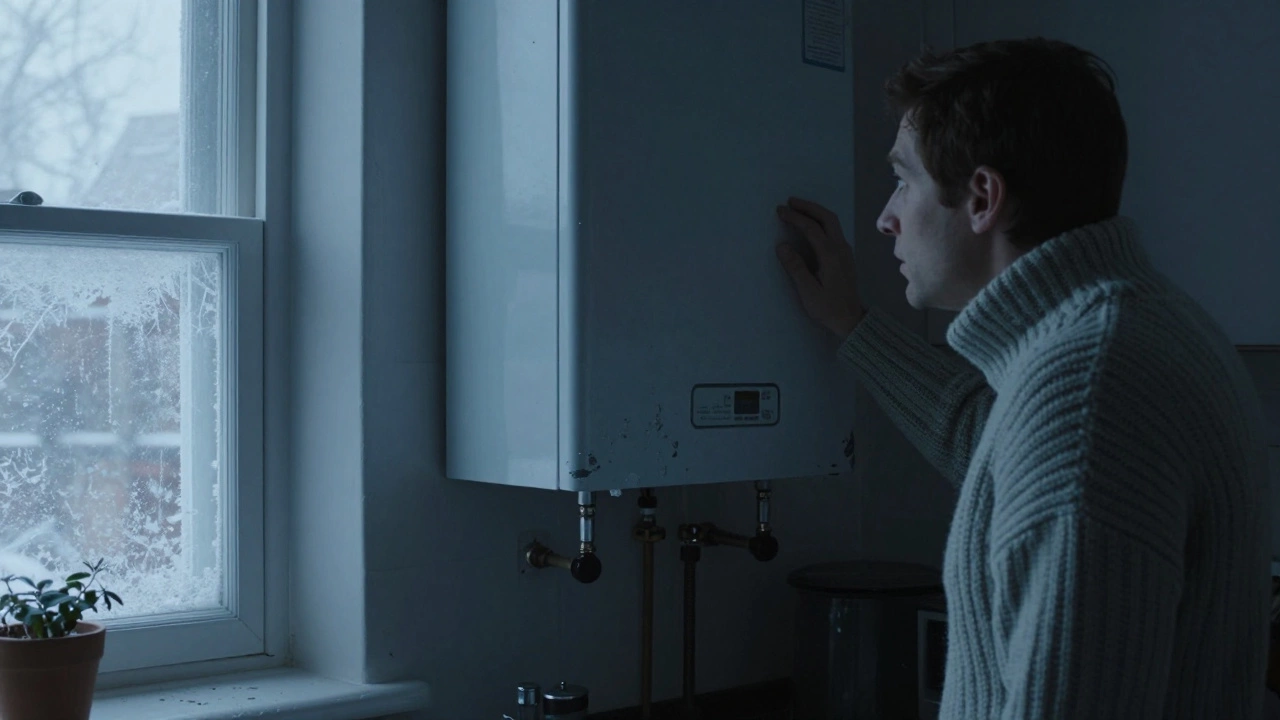
The Big Difference Between a Plumber and a Heating Engineer
Most people use the word "plumber" as a catch-all term for anyone who works with pipes. In reality, a traditional plumber focuses on the "wet" side of things. They handle leaking taps, blocked toilets, and installing sinks. They are experts in water flow and drainage. On the other hand, a Heating Engineer is a specialist who focuses on the thermal side of the home. They deal with the Central Heating System, which includes the boiler, radiators, and the pipes that move hot water around. Here is the catch: many professionals are dual-trained. They might be a licensed plumber who also spent years getting certified as a gas engineer. If you find someone who is both, you've hit the jackpot because they can handle the gas connection and the complex piping changes needed for a modern high-efficiency unit without needing a second contractor.| Task | General Plumber | Heating Engineer (Gas Qualified) |
|---|---|---|
| Fixing a leaky faucet | Yes | Yes |
| Unblocking a toilet | Yes | Usually |
| Installing a new gas boiler | No (unless Gas Safe) | Yes |
| Testing for gas leaks | No | Yes |
| Adding a new radiator | Yes | Yes |
Why the Gas Safe Register Matters
If you live in the UK, the Gas Safe Register is the only thing that should matter when hiring someone for a boiler. It is the official list of businesses and engineers who are legally qualified to work on gas appliances. Why is this such a big deal? Gas is dangerous. A poorly installed boiler can leak Carbon Monoxide, an odorless, colorless gas that can kill a family in their sleep. A Gas Safe engineer doesn't just "know how" to fit a boiler; they are trained to pressure-test the system, ensure the flue is venting correctly, and certify that the installation meets current building regulations. If a regular plumber tells you, "I've been doing this for 20 years, I don't need the certificate," hang up the phone. Not only are you risking your safety, but your home insurance will likely be void if a non-certified person installs your heating system and a fire or leak occurs.What Actually Happens During a Boiler Installation?
Installing a boiler isn't as simple as swapping a box on the wall. It's a multi-stage process that blends mechanical plumbing with electrical work and gas safety.- System Assessment: The engineer checks your current radiators and pipework. If you're switching from a traditional boiler to a Combi Boiler (which provides instant hot water without a tank), they need to ensure your water pressure can handle it.
- Removal: The old unit is drained and removed. This is where a standard plumber is great-they handle the heavy lifting of the old pipes.
- Positioning and Mounting: The new boiler is fixed to the wall. This requires precise leveling; if the boiler is tilted, it can affect the efficiency of the condensate drainage.
- Gas and Water Connection: The engineer connects the gas supply and the mains water. This is the critical phase where Gas Safe certification is mandatory.
- Flue Installation: The flue is the pipe that carries exhaust gases outside. If this is installed incorrectly, poisonous fumes can seep back into the bedroom or kitchen.
- Commissioning: The engineer fires up the system, checks for leaks, and balances the radiators so you don't have one room that's boiling and another that's freezing.
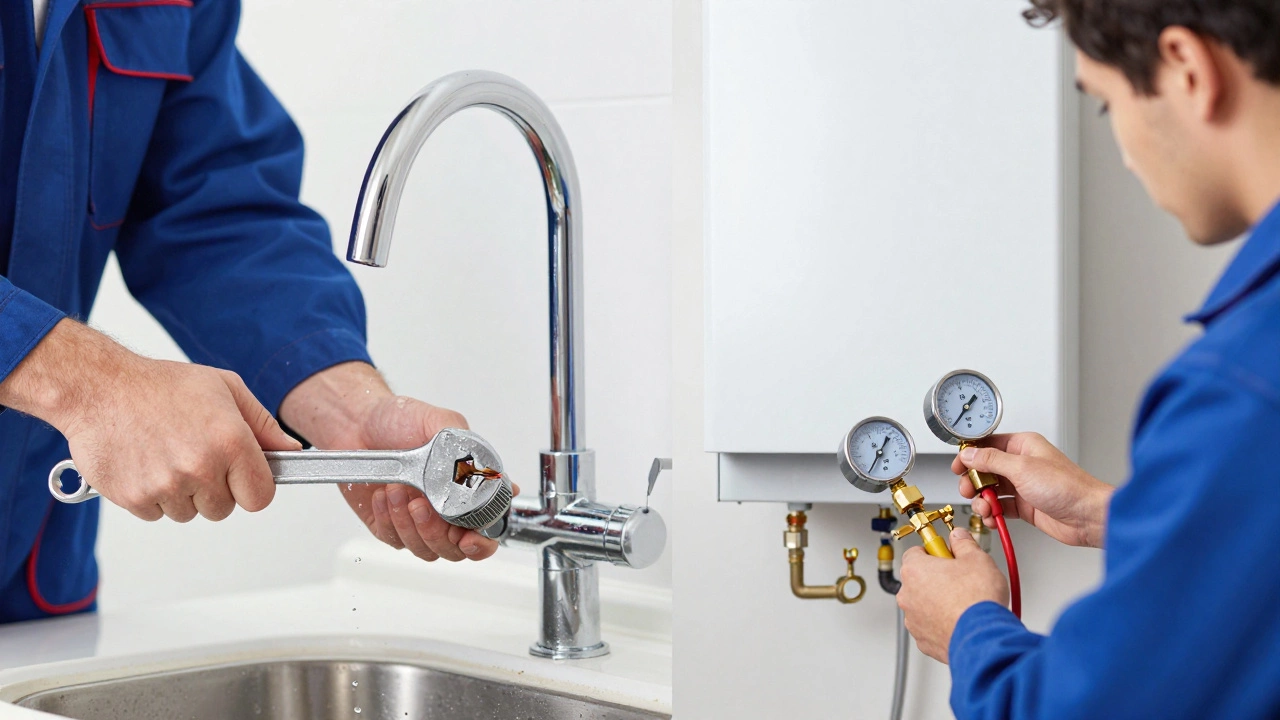
Signs You're Dealing with a Qualified Pro
How do you tell if the person standing in your kitchen is actually qualified to touch your boiler? Don't just take their word for it. Look for these concrete markers of expertise. First, they should ask to see your current system before giving a final quote. A generic price over the phone is a red flag. A pro wants to know if you have Micro-bore piping (thin pipes) or old iron pipes, as this changes the parts they need to bring. Second, they should mention "flushing the system." If you put a brand new, high-efficiency boiler onto old, sludge-filled pipes, the new unit will likely fail within a couple of years. A real expert will insist on a power flush to clear out the debris. Third, they will provide a building compliance certificate. This is the legal document that proves the work was done to code. Without this, you'll have a nightmare trying to sell your house later because the buyer's solicitor will ask for the boiler's installation records.Common Pitfalls to Avoid When Hiring
One of the biggest mistakes homeowners make is choosing the cheapest quote. In the world of heating, "cheap" often means the installer is skipping the safety checks or using low-quality fittings that will leak in six months. Another trap is the "friend of a friend" recommendation. Just because someone is a great plumber who fixed your neighbor's leak doesn't mean they are qualified to handle a gas combustion chamber. Always ask for their Gas Safe ID number and check it on the official registry yourself. Also, be wary of anyone who tells you that you don't need a new flue. Many old flues are not compatible with modern Condensing Boilers. Forcing an old flue to work with a new machine is a safety violation and often leads to water damage inside your walls due to improper condensation runoff.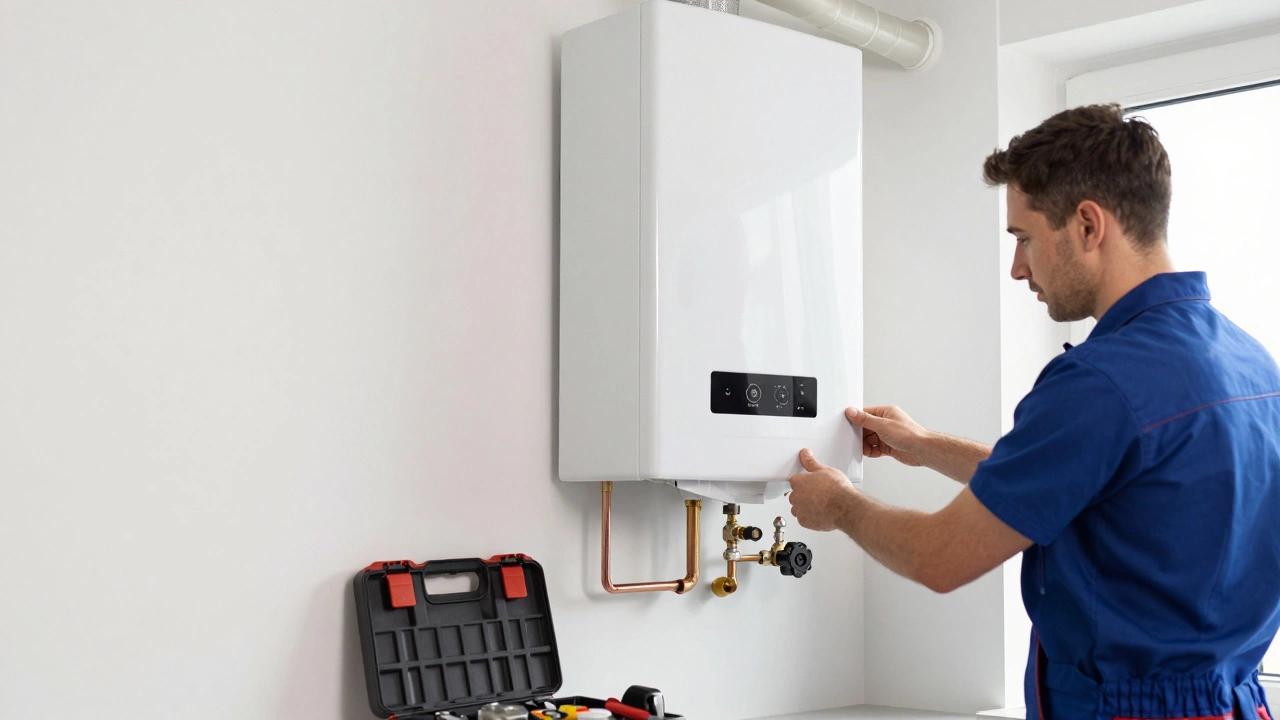
Managing the Cost: What Should You Expect?
Boiler replacement is a significant investment. The cost varies based on the boiler's kilowatt output and the complexity of the pipework. A simple swap-out is cheaper, but moving a boiler from a kitchen to a garage requires extensive new pipe runs and potentially a new electrical circuit. When reviewing quotes, look for the warranty terms. A manufacturer's warranty (usually 5 to 12 years) is only valid if the boiler was installed by a certified professional. If you hire an unqualified plumber to save a few hundred dollars, you effectively throw away the warranty, meaning you pay full price for any future repairs.Can a plumber install a boiler if they aren't Gas Safe registered?
No. In the UK, it is illegal for anyone to work on gas appliances unless they are on the Gas Safe Register. While they can do the water pipes, they cannot connect the gas or commission the boiler. You must have a certified engineer for the gas portion of the job.
Is a heating engineer different from a plumber?
Yes, although there is overlap. A plumber focuses on water, waste, and drainage. A heating engineer specializes in the combustion and distribution of heat via boilers and radiators. Many pros are qualified in both, but you specifically need the heating qualification for boiler work.
What happens if I hire an unqualified person to install my boiler?
You risk serious safety hazards like carbon monoxide poisoning or gas leaks. Additionally, your home insurance may be invalidated, you will lose the manufacturer's warranty on the boiler, and you may face legal issues regarding building regulations.
Do I need to replace my radiators when I get a new boiler?
Not necessarily. If your radiators are in good shape and not leaking, they can usually stay. However, a heating engineer might suggest adding TRVs (Thermostatic Radiator Valves) or replacing a few rusted units to make the new boiler run more efficiently.
How long does a typical boiler installation take?
A straightforward replacement usually takes one to two days. If the boiler is being moved to a new location or if the entire system needs a power flush, it can take three to five days.