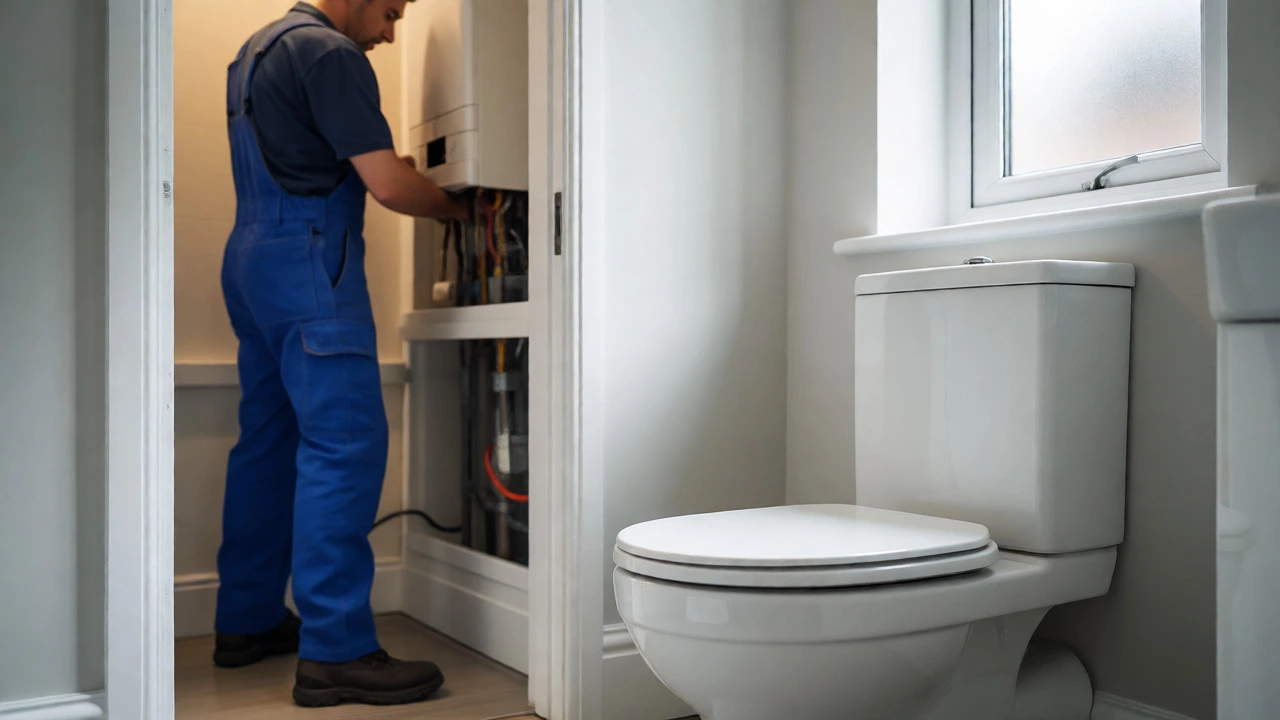
Boiler Replacement Toilet Access Checker
Find out if you can use your toilet while your boiler is being replaced. Select your home's specific plumbing characteristics below.
You’re staring at your bathroom door, wondering if you can actually flush the loo while the plumbers are wrestling with your old boiler in the utility room. It’s a valid worry. Nobody wants to be caught short-or worse, dealing with a dry toilet-during a major home upgrade. The short answer? Usually, yes. But there are a few critical exceptions that depend entirely on how your home is plumbed.
The Short Answer: Yes, But Check Your Setup
For most homes, using the toilet during a boiler replacement is perfectly fine. This is because toilets rely on mains water pressure, not the hot water system your boiler controls. When a plumber swaps out your boiler, they’re disconnecting pipes related to heating and hot water supply. Unless your specific setup links these systems directly to the toilet’s fill valve (which is rare), your toilet will function normally.
However, "usually" isn't "always." If you have an older property or a complex plumbing arrangement, you might face a temporary shutdown. Let’s break down why this happens and how to spot if you’re in the minority who needs to plan ahead.
Why Your Toilet Might Work Anyway
To understand the risk, you need to know where the water comes from. In modern UK and New Zealand homes, cold water for taps and toilets typically comes straight from the main municipal supply. This line enters your house, goes to a stopcock, and then branches out. One branch feeds the kitchen sink and washing machine; another feeds the cold taps in the bathroom; and yet another feeds the cistern of your toilet.
Your boiler sits on a completely different loop. It takes cold water, heats it up, and sends it to your showers, baths, and radiators. When technicians drain the system to remove the old unit, they isolate the heating circuit. They close valves that control the flow to the boiler itself. Because the toilet’s feed pipe usually splits off before these isolation points, the water keeps flowing to your cistern. You flush, it refills, life goes on.
The Exceptions: When You Can’t Flush
There are three specific scenarios where your toilet usage gets interrupted. If any of these apply to your home, you’ll need a backup plan.
1. Shared Stopcocks or Single Feed Points
In some older houses, all water enters through a single external stopcock. If the plumbers need to shut off the main supply to cut into pipes near the entry point, every tap and toilet in the house loses water. This is common in terraced houses built before the 1980s. Ask your installer: "Will you be shutting off the main incoming water supply?" If they say yes, your toilet won’t refill after flushing.
2. Combi Boilers with Direct Mains Connections
Combi boilers heat water on demand directly from the mains. While the toilet still uses cold mains water, the installation often involves working on the same manifold or pipework cluster. If the engineer has to cap off lines temporarily to prevent leaks while swapping connections, they might isolate the cold feed to the bathroom group. This is less about the boiler needing the water and more about practical access to the pipes.
3. Gravity-Fed Systems with Shared Tanks
If you live in a larger home with a loft tank that feeds both the cold taps and the toilet cisterns, draining the heating system shouldn’t affect you. However, if the installers need to drain the entire domestic cold water storage tank to work on nearby valves, the toilet will run dry. This is rare but possible if the new boiler location requires moving pipework that connects to the tank outlet.
| Plumbing System Type | Water Source for Toilet | Likelihood of Interruption | Action Required |
|---|---|---|---|
| Mains Fed (Modern) | Direct Main Supply | Low | None |
| Gravity Fed (Loft Tank) | Cold Water Storage Tank | Low | Check if tank is drained |
| Shared Stopcock | Main Supply via Single Valve | High | Plan for no-water periods |
| Complex Manifold | Shared Branch Pipe | Medium | Confirm isolation points |
How to Confirm Before the Day Arrives
Don’t leave this to chance. A five-minute conversation with your installer saves hours of discomfort. Here’s exactly what to ask when they come for their survey:
- Ask about the main stopcock: "Will you need to turn off the main water inlet to the house?" If yes, assume no toilet use until they reopen it.
- Identify isolation valves: "Are there individual isolation valves for the bathroom suite separate from the boiler pipes?" If yes, you’re likely safe.
- Clarify the timeline: "How long will the water be off, if at all?" Knowing if it’s a 20-minute swap or a 4-hour job helps you manage expectations.
- Check for shared pipework: "Is the cold feed to the toilet running through the same cupboard as the boiler?" If so, ask them to protect the toilet feed specifically.
Most professional installers expect this question. They’ll appreciate your preparedness. If they seem confused, it might be worth getting a second quote. A good plumber knows the difference between a wet system and a dry one.
What to Do If You Are Cut Off
So, you asked, and the answer was "Yes, we’ll need to shut the water off for about two hours." Now what? Don’t panic. You have options.
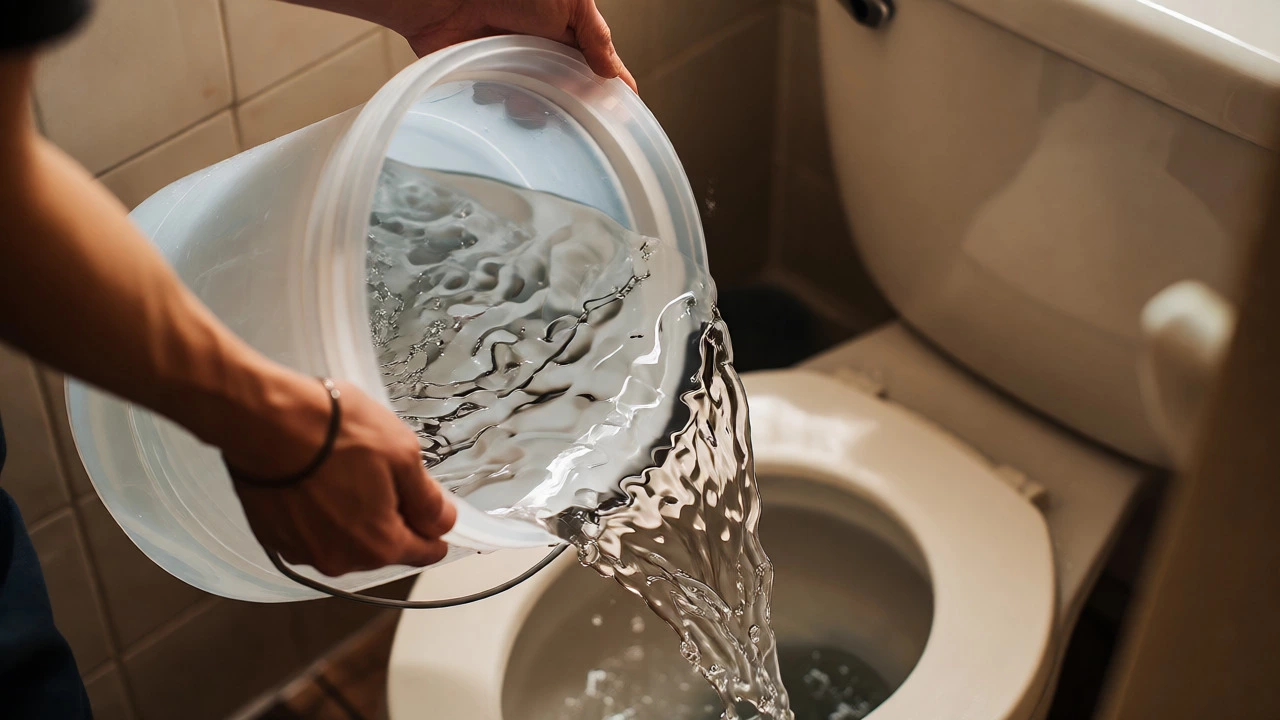
The Bucket Method: This is the classic emergency solution. Fill a large bucket or basin with water. Pour it quickly into the bowl. The force triggers the siphon, and the waste goes away. It’s messy but effective. Keep a mop handy just in case.
Neighborly Negotiation: If you’re in a semi-detached or terraced row, knock next door. Explain the situation. Most people will happily let you use their facilities for a couple of hours. Bring a small thank-you gift-cookies or a bottle of wine go a long way.
Public Facilities: For longer jobs, locate the nearest public restroom, café, or library. Apps like Google Maps can help you find open restrooms nearby. Plan your breaks around this constraint.
Timing the Swap: If you know the water will be off, schedule the replacement for when fewer people are home. Early morning or late afternoon might mean only one person needs access. Alternatively, ask if they can do the dirty work (draining) first, then reconnect the cold feed early, leaving the final testing for last.
Other Considerations: Hot Water vs. Cold Water
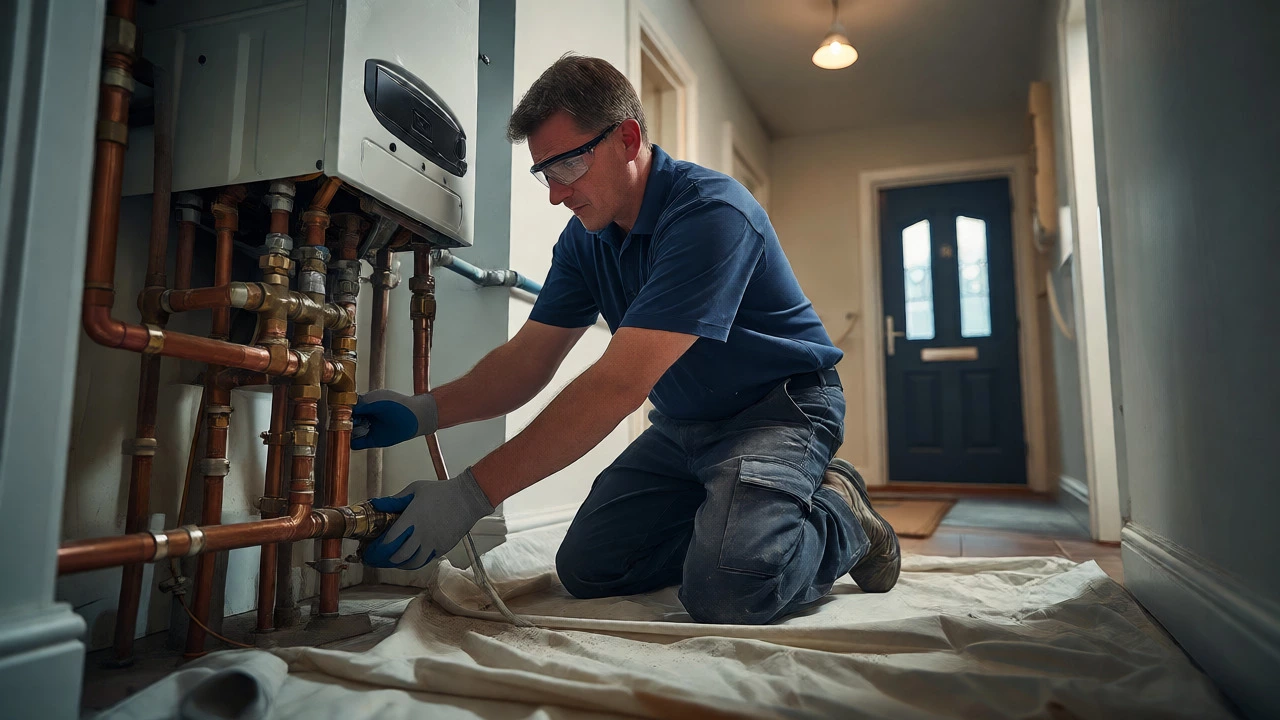
While the toilet works on cold water, remember that the boiler replacement means no hot water or central heating for the duration of the job. This impacts your routine more than the toilet does.
You won’t be able to take a shower. If you have a combi boiler, your kitchen sink won’t produce hot water either. Plan your hygiene accordingly. Wash hands with cold water and soap. Use wet wipes for quick clean-ups. If the job runs into the evening, consider using a kettle to boil water for basic washing tasks. Kettles usually plug into standard outlets and aren’t affected by the plumbing changes.
Preparation Checklist for Installation Day
Make the day smoother for yourself and the engineers with this quick prep list:
- Clear the area: Remove clutter from around the old boiler. Engineers need elbow room to maneuver heavy units.
- Protect floors: Lay down dust sheets or old towels. Draining a system can lead to minor spills.
- Have tools ready: A torch, pliers, and a wrench can help if they need to adjust something minor.
- Keep pets away: Strange noises and strangers in the house stress animals. Confine them to a quiet room.
- Verify access: Ensure the path from the front door to the utility room is clear. Carrying a new boiler through narrow hallways is tricky enough without obstacles.
Final Thoughts
Replacing a boiler is disruptive, but it doesn’t have to ruin your day. In the vast majority of cases, you can keep flushing your toilet as normal. The key is communication. Ask your installer about the water supply status before they start. If they confirm the main line stays open, carry on with your life. If they warn you about a shutdown, prepare your bucket or borrow a neighbor’s bathroom. Either way, you’ll have a shiny new boiler and warm radiators by dinner time.
Does replacing a boiler affect cold water?
Generally, no. Cold water to taps and toilets comes directly from the mains supply, which remains independent of the boiler's internal circuits. However, if the installer needs to shut off the main stopcock to make connections, cold water will be unavailable temporarily.
How long does a typical boiler replacement take?
A straightforward swap of a like-for-like boiler usually takes 4 to 6 hours. More complex installations involving moving pipework or upgrading systems can take a full day or even two days.
Can I shower while my boiler is being replaced?
No. Since the boiler provides the hot water, you will not have hot water for showers or baths during the installation process. You should plan to use cold water or alternative methods for washing until the job is complete.
What should I do if the plumbers forget to turn the water back on?
If the toilet won't refill, check the isolation valve near the toilet or the main stopcock. If everything looks open, call your installer immediately. They are responsible for ensuring the system is fully operational upon completion.
Is it cheaper to replace a boiler myself?
DIY replacement is risky and often illegal for gas boilers unless you are Gas Safe registered. Professional installation ensures safety, warranty validity, and compliance with local building codes, which usually outweighs the labor cost savings.