Heat Pump Repair Decision Tool
Select the symptom you are experiencing to get an immediate assessment.
Assessment
Risk Level
Recommended Action
It’s the middle of winter in Dunedin, and your home feels like an icebox. The heat pump is humming away, but no warm air comes out. Your first thought might be: Can I fix this myself? It’s a natural reaction. Calling a technician costs money, and you’ve probably watched enough YouTube videos to feel confident with a screwdriver.
The short answer is yes, you can perform some repairs on a heat pump is a mechanical device that transfers thermal energy from one location to another using a refrigeration cycle to provide heating or cooling. However, the longer answer involves safety risks, legal regulations regarding refrigerants, and the potential to void warranties if done incorrectly. Knowing exactly where the line sits between a simple DIY task and a job for a pro is crucial for keeping your wallet intact and your home comfortable.
What You Can Fix Yourself (The Safe Zone)
Before you call anyone, there are several common issues that homeowners can resolve without special tools or licenses. These tasks fall under basic maintenance rather than complex repair. If you tackle these first, you might save yourself a service call fee.
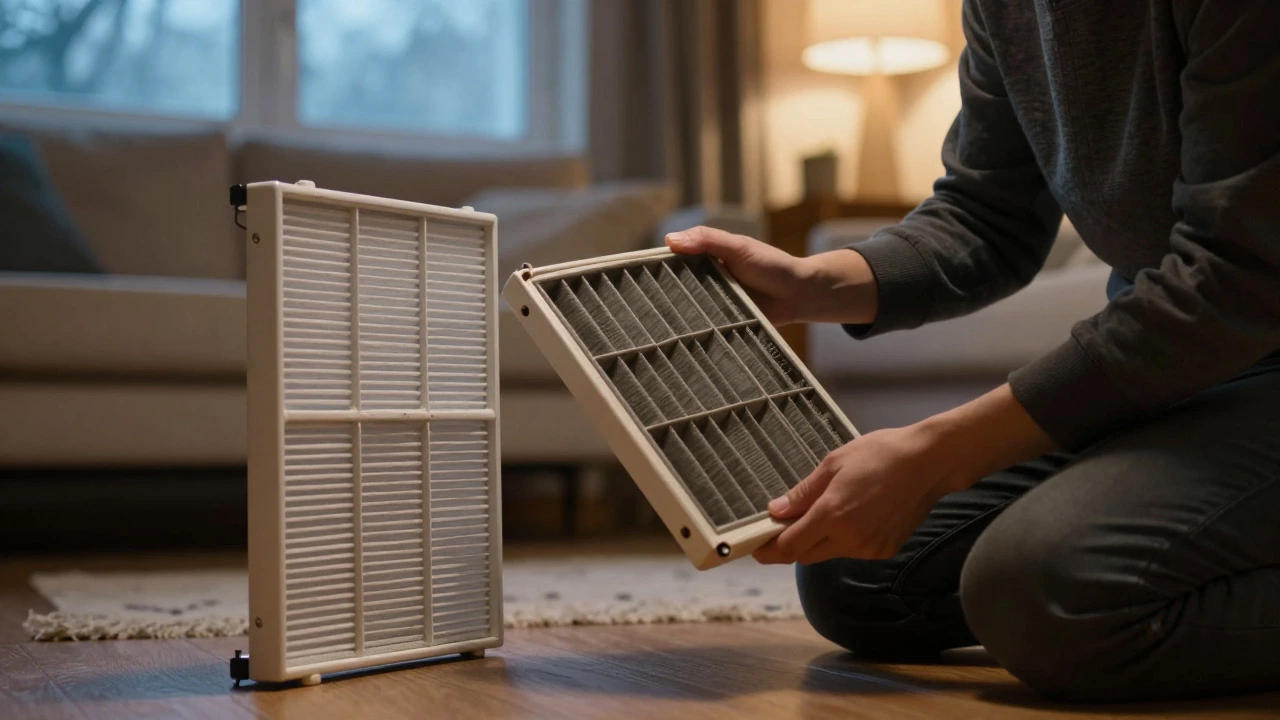
- Cleaning or Replacing Air Filters: This is the number one cause of poor performance. A clogged filter restricts airflow, causing the system to work harder and freeze up. Check your filters monthly during peak seasons. If they’re grey and dusty, replace them. It takes five minutes and costs less than $10.
- Clearing Debris from Outdoor Units: Your outdoor condenser needs to breathe. Leaves, grass clippings, and snow can block the coils. Use a garden hose to gently spray down the fins (turn off power first!). Keep at least two feet of clearance around the unit.
- Checking Thermostat Settings: It sounds silly, but it happens often. Ensure the thermostat is set to 'Heat' and not 'Cool' or 'Fan Only'. If you have a programmable thermostat, check the batteries. Dead batteries can make it look like the system has failed when it’s just losing its mind.
- Resetting the System: Sometimes electronics glitch. Turn off the heat pump at the thermostat, then flip the breaker off for 30 seconds. Flip it back on. This hard reset can clear minor electronic errors.
If none of these steps work, the problem likely lies deeper within the system. At this point, you need to assess whether the issue is electrical, mechanical, or related to the refrigerant.
The Danger Zone: When to Call a Pro
Heat pumps are complex systems involving high-voltage electricity and pressurized gases. In New Zealand, working with refrigerants is strictly regulated. If you suspect any of the following issues, put down the tools and call a licensed engineer.
| Issue | DIY Friendly? | Risk Level | Why? |
|---|---|---|---|
| Clogged Filter | Yes | Low | Simple replacement; improves efficiency. |
| Dirty Coils | Yes (Gentle Cleaning) | Low | Prevents overheating/freezing. |
| Refrigerant Leak | No | High | Requires EPA/NZ license; toxic gas; illegal to handle without certification. |
| Compressor Failure | No | High | Expensive part; requires vacuum pump and manifold gauges. |
| Electrical Wiring | No | High | Shock hazard; fire risk; voids insurance if not certified. |
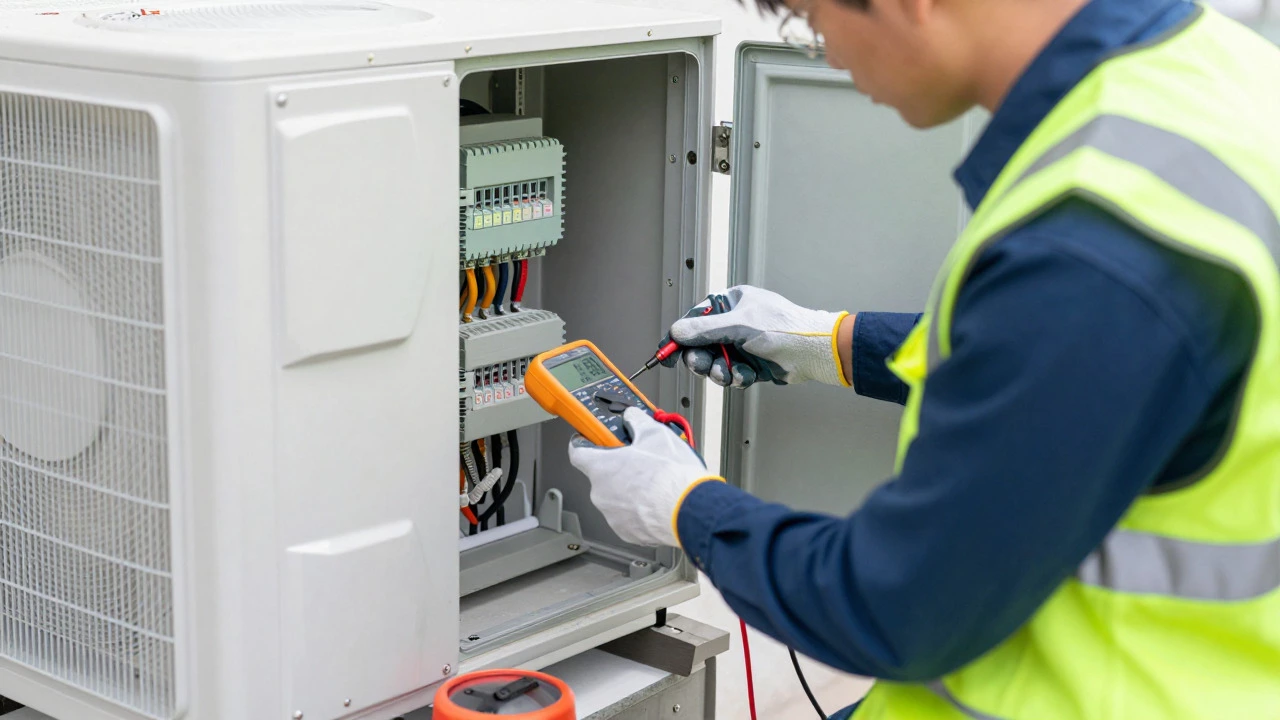
| Control Board Error | No | Medium | Diagnosis requires multimeter and schematic knowledge. |
Attempting to fix a refrigerant leak yourself is a bad idea for two reasons. First, refrigerants like R410A or R32 are greenhouse gases. Releasing them into the atmosphere is environmentally damaging and, in many jurisdictions, illegal for unlicensed individuals. Second, adding more refrigerant without finding the leak is a waste of money. The system will just leak again. A professional uses electronic leak detectors and nitrogen pressure tests to find the exact source.
Common Signs Your Heat Pump Needs Professional Help
You don’t always need to see smoke coming from the unit to know something is wrong. Pay attention to these specific symptoms. They tell a story about what’s happening inside the machine.
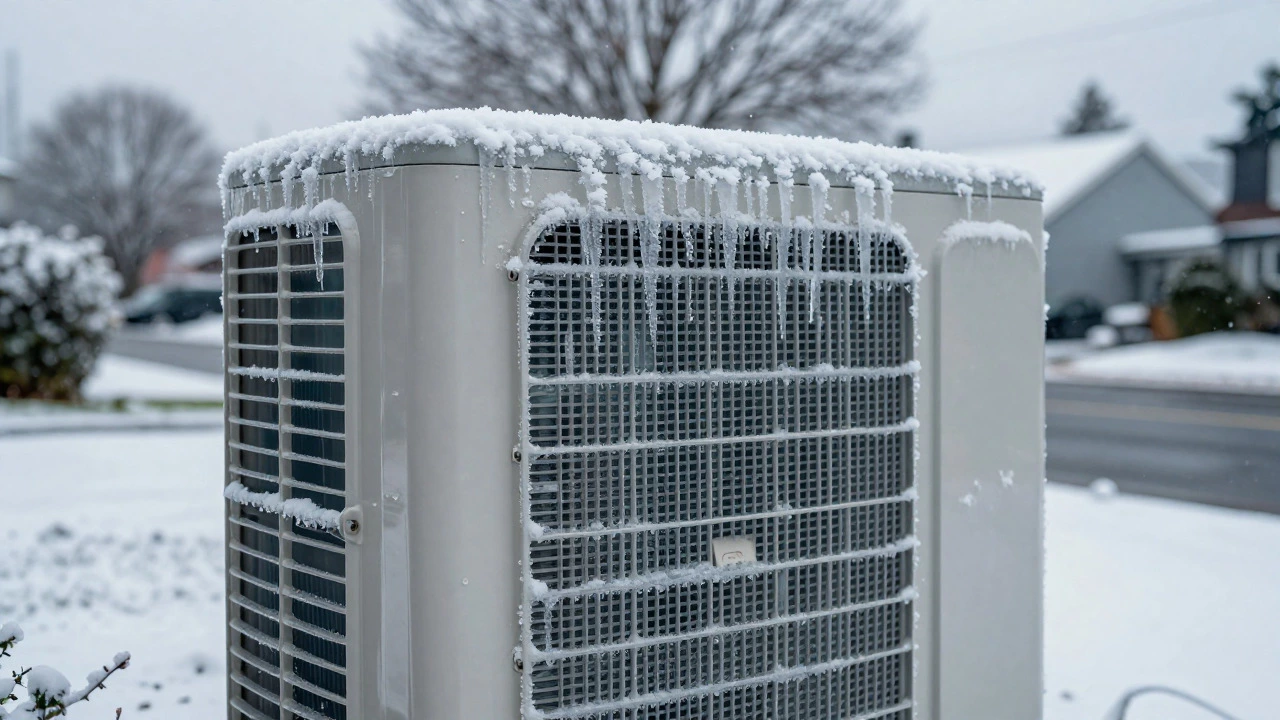
Ice Building Up on the Coils: A little frost is normal during defrost cycles. But if you see thick ice accumulating on the outdoor coil and it doesn’t melt after 15 minutes, you have a problem. This could be low refrigerant, a dirty filter, or a failing fan motor. While you can clean the filter, diagnosing the root cause usually requires gauges.
Strange Noises: Heat pumps should hum quietly. Grinding, screeching, or banging noises indicate mechanical failure. A grinding sound often means the compressor bearings are wearing out. Screeching might point to a loose belt (in older models) or a failing fan motor. These parts wear out over time and need replacement by someone who knows how to align motors and balance fans.
Warm Air Instead of Cool (or Vice Versa): If your heat pump blows lukewarm air in winter or cool air in summer, the reversing valve might be stuck. This component switches the flow of refrigerant. It’s an electrical and mechanical part that requires precise handling. Forcing it can damage the entire system.
Error Codes on the Display: Modern heat pumps have digital displays that show error codes. Look at your manual. Code E1 might mean a sensor fault, while Code F3 could indicate a communication error between the indoor and outdoor units. While reading the code is easy, fixing the underlying sensor or wiring issue often involves opening panels and testing voltage levels.
The Cost of DIY Mistakes
Weighing the cost of a technician against the price of parts is a common calculation. A service call in Dunedin might range from $80 to $150 just for the visit, plus labor and parts. A capacitor, for instance, costs $20 online. It seems obvious to buy the capacitor and swap it out yourself.
However, consider the hidden costs. If you install the wrong size capacitor, you could burn out the compressor. Compressors are the heart of the heat pump and can cost $1,000 or more to replace. That’s a steep penalty for trying to save $100 on labor. Additionally, many manufacturers require annual professional servicing to keep the warranty valid. Skipping this or doing it yourself might leave you paying full price for a major repair later.
There’s also the safety factor. Working with 240V electricity carries a real risk of electrocution. Even turning off the breaker isn’t foolproof if there’s residual charge in capacitors. Professionals use insulated tools and follow strict lock-out/tag-out procedures. Do you really want to gamble your safety on a YouTube tutorial?
How to Prepare for a Technician Visit
If you decide to call a pro, you can still help speed up the process and potentially reduce costs. Technicians appreciate prepared customers. Here’s how to make the most of their visit.
- Note the Symptoms: Write down exactly what’s happening. Is it making noise? When did it start? Does it happen only in heating mode? Specific details help diagnose faster.
- Check the Breakers: Ensure all breakers related to the heat pump are switched on. Sometimes a tripped breaker is the only issue.
- Clear Access: Move furniture, plants, or storage items away from the indoor and outdoor units. Technicians need space to work safely.
- Have the Model Number Ready: Locate the nameplate on the outdoor unit. It contains the model and serial numbers. Sending this to the technician beforehand allows them to bring the correct parts and manuals.
- Ask About Maintenance Plans: Many HVAC companies offer annual maintenance contracts. These often include priority scheduling and discounts on repairs. It’s worth asking if it fits your budget.
Maintenance Tips to Avoid Future Repairs
Prevention is cheaper than cure. Regular maintenance extends the life of your heat pump and keeps energy bills low. You don’t need to be an expert to do this.
Clean the outdoor unit twice a year-once in spring and once in autumn. Remove leaves and debris. Straighten any bent fins with a fin comb (available at hardware stores). Check the drain pan and condensate line for clogs. A blocked drain can cause water damage to your ceiling and walls. Pouring a cup of vinegar down the drain line annually can prevent algae buildup.
Inside, change filters every 1-3 months depending on usage and pets. If you have allergies, consider HEPA filters, but note they may restrict airflow slightly, so monitor your system’s performance.
Finally, schedule a professional inspection annually. A technician will check refrigerant levels, test electrical connections, lubricate moving parts, and verify thermostat calibration. This proactive approach catches small problems before they become expensive disasters.
Is it safe to clean my own heat pump coils?
Yes, it is generally safe to clean the outdoor coils with a garden hose. Just ensure the power is turned off at the breaker first. Use a gentle spray setting to avoid bending the delicate aluminum fins. Avoid using high-pressure washers, as they can damage the coils and internal components.
How much does it cost to repair a heat pump in New Zealand?
Costs vary widely based on the issue. A simple capacitor replacement might cost $150-$250 including labor. Refrigerant recharges can range from $300 to $600. Major repairs like compressor replacements can exceed $1,000. Always get a detailed quote before authorizing work.
Can I add refrigerant to my heat pump myself?
No, in New Zealand, handling refrigerants requires a license from IBAC (Independent Broad-based Anti-corruption Commission) or relevant regulatory body. Unlicensed handling is illegal and dangerous. Incorrect amounts can damage the compressor and reduce efficiency significantly.
What does a buzzing sound from my heat pump mean?
A buzzing sound often indicates an electrical issue, such as a failing contactor or relay in the outdoor unit. It could also be a loose panel vibrating. Since it involves electricity, it’s best to have a technician inspect it promptly to prevent further damage or fire hazards.
How long does a typical heat pump last?
With proper maintenance, a quality heat pump can last 10 to 15 years. Factors like climate, usage frequency, and regular servicing impact lifespan. In colder regions like Dunedin, where the system works harder in winter, annual checks are especially important to maximize longevity.