
Extractor Fan Installation Planner
How will the fan be powered?
This determines if you need a licensed professional immediately.
Installation Plan
Based on your selections, here is the recommended workflow.
Required Trades
Critical Checks
Picture this: you’ve just finished renovating your bathroom. The tiles are crisp, the shower is installed, and everything looks perfect. Then you step out, turn on the tap, and within seconds, the mirror fogs up completely. You wait ten minutes, and the damp smell lingers. Your heart sinks. You forgot the most critical invisible component of a healthy bathroom: an extractor fan that actually works.
You call your plumber, who was great with the pipes. "Hey," you ask, "can you fit that fan while you're here?" They look at the ceiling, then at the electrical box, and shrug. Or worse, they say yes, do a quick job, and you end up with a tripping circuit breaker or a fan that blows air into the roof cavity instead of outside.
The short answer is: it depends on what part of the job we’re talking about. In New Zealand, and most of the English-speaking world, trades have strict boundaries. A plumber handles water; an electrician handles power; a builder or specialist handles ducting. But where does the fan itself sit in this triangle?
Who Actually Installs an Extractor Fan?
To understand who fits the fan, we need to break down the three distinct systems involved in an extraction setup. It’s not just one task; it’s a chain of three links. If one link is weak, the whole system fails.
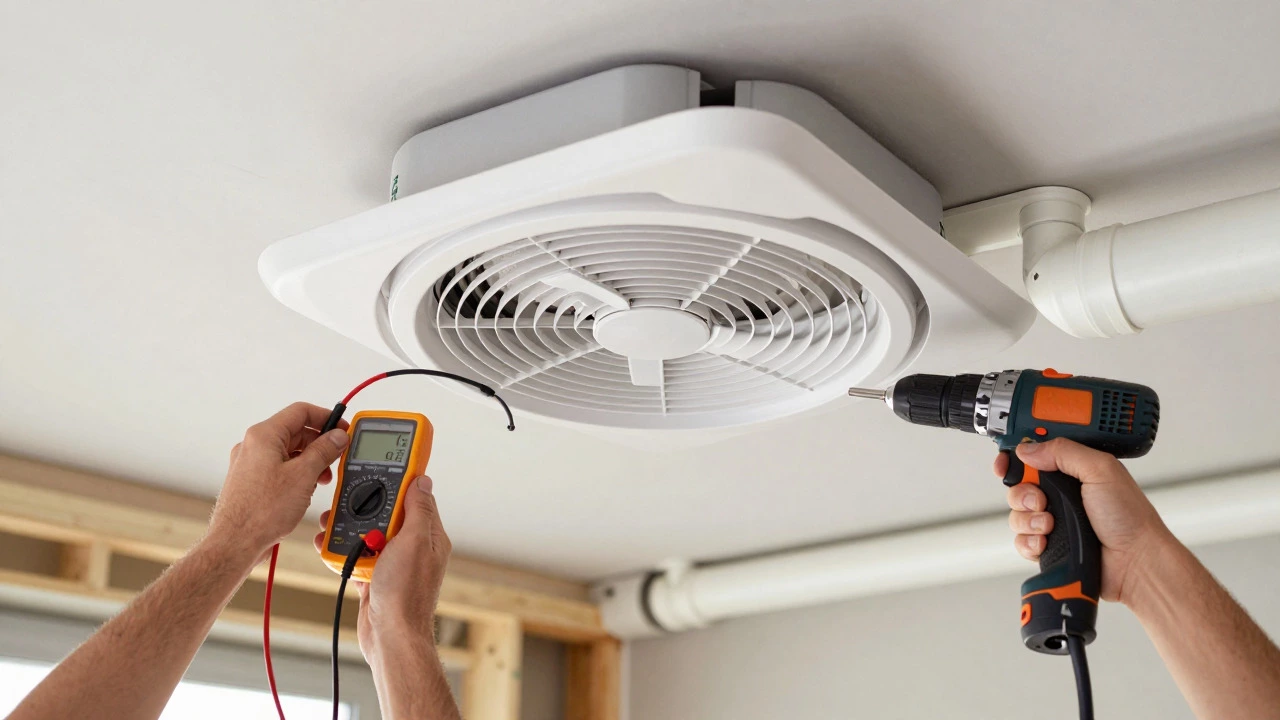
- Electrical Connection: This involves hardwiring the fan to your home’s power supply. In many regions, including New Zealand, only a licensed electrician can legally connect fixed wiring to the mains.
- Ducting and Ventilation: This is the physical path the air takes from the fan to the outside wall or roof. It requires drilling through structural elements and sealing gaps to prevent pests and moisture ingress.
- Mounting and Fitting: This is the mechanical act of screwing the unit into the ceiling or wall frame and connecting the plastic duct hose.
So, can a plumber do all three? Generally, no. Can they do one or two? Yes, but with caveats.
A plumber might be comfortable mounting the unit if it’s a simple plug-in model (though plug-in fans are often less powerful). They might also drill the hole for the duct if they’re handy with tools. However, connecting the live wires? That’s usually illegal for them to do unless they hold a separate electrical license. And running long runs of insulated ducting through a roof space? That’s often better suited to a builder or a specialized ventilation installer.
The Electrical Boundary: Why You Need an Electrician
Let’s talk about the biggest risk: electricity. An extractor fan isn’t a lamp you plug into a socket. It’s a motorized appliance that runs continuously in a high-humidity environment. Bad wiring doesn’t just mean the fan won’t work; it means fire hazards and electrocution risks.
In New Zealand, under the Electricity (Safety) Regulations, any fixed wiring work must be done by a Licensed Electrician. This includes connecting the fan to the consumer unit (fuse box) or linking it to a light switch. Even if your plumber is mechanically gifted, if they strip a wire and twist it together without a proper junction box or isolation, they are likely breaking the law and voiding your home insurance.
Here is the typical workflow for a safe installation:
- The electrician runs the cable from the switch/light to the fan location.
- The electrician connects the fan to the power source.
- The plumber or builder mounts the fan body.
- The builder or plumber connects the ducting.
Some plumbers *are* dual-licensed, but this is rare. Always ask for their license number before letting them touch a wire. If they don’t have an electrical license, hand over the screwdriver to an electrician for the wiring phase.
The Plumbing Angle: When Plumbers Do Help
So why did you even ask the plumber? Because bathrooms are their domain. During a bathroom reno, the plumber is already there chasing pipes, installing the toilet, and setting up the shower. It feels natural to ask them to handle the "wet area" appliances.
Plumbers are excellent at understanding moisture flow. They know where condensation will form. They know how to seal joints so water doesn’t leak into the ceiling cavity. If you hire a plumber to install the mounting bracket and ensure the fan is level and secure, that’s a smart move. They have the right drills, anchors, and knowledge of wall structures.
Furthermore, some modern extractor fans come with integrated heating elements or humidistats that interact with other bathroom systems. While the electrician handles the power, the plumber ensures the fan is positioned correctly relative to the shower zone to maximize steam capture. Position matters more than you think. If the fan is too far from the shower, it has to pull air across the entire room, which is inefficient and noisy.
The Ducting Dilemma: The Silent Killer of Performance
This is where most DIYers and general handymen fail. You can buy the most expensive, quietest, highest-CFM (cubic feet per minute) fan on the market, but if the ducting is wrong, it’s useless.
An extractor fan needs a clear, straight, and short path to the outside. Here are the golden rules of ducting that every installer-plumber, electrician, or builder-must follow:
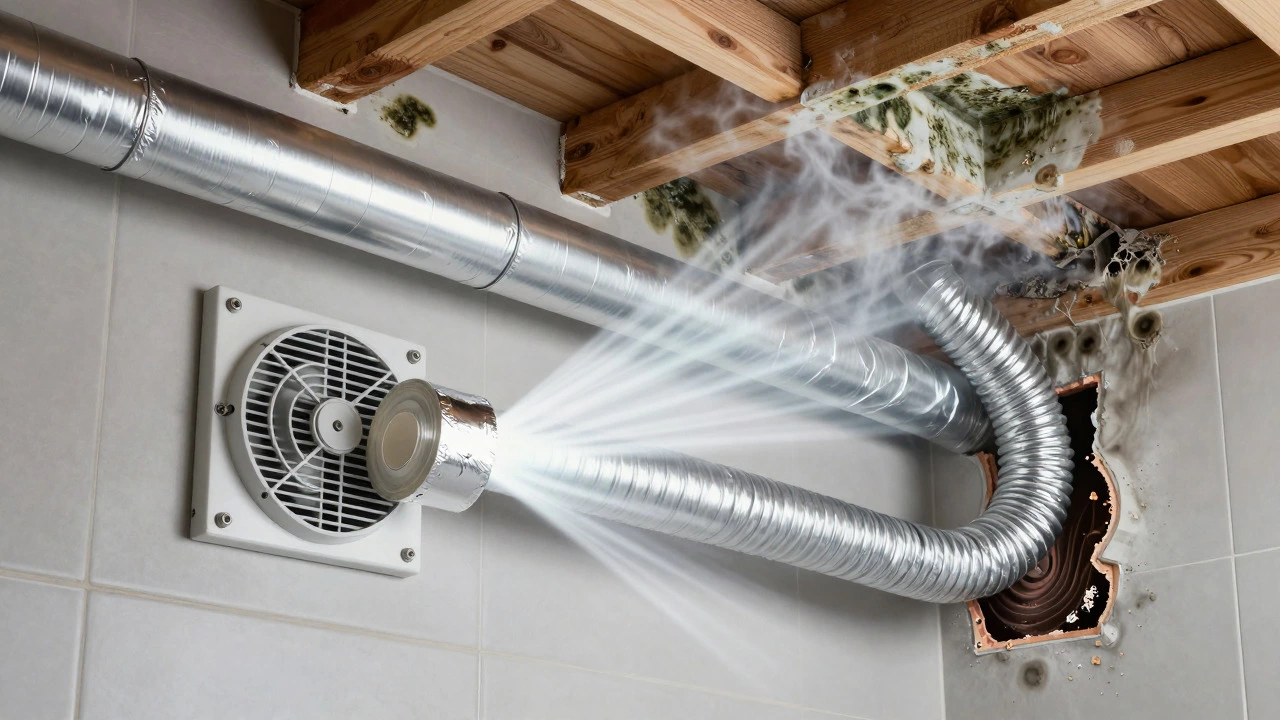
- No Flexible Ducting Inside Walls: Those crinkly silver hoses create turbulence. Turbulence creates noise and reduces airflow. Use rigid PVC or aluminum ducting wherever possible. If you must use flexible ducting, keep it as short as possible and pull it tight.
- Keep It Short: Every meter of ducting reduces efficiency. Every bend reduces it further. Aim for a direct line from the fan to the exterior wall. Avoid S-bends or long horizontal runs.
- Seal Everything: Air leaks in the duct mean moist air escaping into your roof cavity. This leads to mold growth on your rafters. Use foil tape, not duct tape, to seal all joints.
- External Grille: Ensure the outlet on the outside wall has a backdraft damper. This prevents cold wind, rain, and birds from blowing back into your bathroom when the fan is off.
A plumber might drill the hole, but do they know the specific diameter required for your fan model? Do they know how to flash the external grille to prevent rain ingress? If not, this part of the job might need a builder or a dedicated ventilation specialist.
DIY vs. Professional Installation: What Can You Do?
If you’re handy with tools, you might be tempted to do it yourself. Is it allowed? In New Zealand, homeowners can do their own electrical work if they get it inspected and certified by a licensed electrician afterward. However, for most people, hiring professionals saves time and stress.
Here is a breakdown of who does what in a standard professional scenario:
| Task | Recommended Trade | Why? |
|---|---|---|
| Running Power Cable | Licensed Electrician | Legal requirement for fixed wiring; safety compliance. |
| Connecting Wires | Licensed Electrician | Prevents fire hazard; ensures correct polarity and grounding. |
| Drilling Wall/Ceiling Hole | Plumber or Builder | Requires knowledge of stud locations and structural integrity. |
| Mounting Fan Unit | Plumber or Builder | Ensures level installation and secure fixing to joists. |
| Installing Ducting | Builder or Ventilation Specialist | Requires sealing skills and knowledge of airflow dynamics. |
| Testing Operation | All Trades / Owner | Verify airflow, noise levels, and switch functionality. |
If you are renting, check your lease. Many landlords require all modifications to be done by licensed professionals to maintain insurance coverage. If you own the home, you have more flexibility, but cutting corners on ventilation leads to expensive mold remediation later.
Choosing the Right Fan for Your Space
Before anyone picks up a drill, you need the right equipment. Not all fans are created equal. In Dunedin, where our winters are damp and cool, you need a fan that moves enough air to clear steam quickly but isn’t so loud that you can’t hear yourself talk.
Look for these specifications:
- Airflow Rate (L/s): For a standard bathroom, aim for at least 15-20 liters per second (L/s). Larger bathrooms or those with bathtubs may need 30+ L/s.
- Noise Level (dB): Look for fans rated below 30 decibels. Anything above 40 dB will feel like a jet engine taking off in the corner.
- Timer or Humidistat: These features allow the fan to run automatically after you leave the room, ensuring all moisture is cleared. This is crucial for preventing mold.
- Heat Recovery (Optional): In colder climates, heat recovery ventilators (HRVs) extract stale air while retaining warmth. They are more complex to install but highly energy-efficient.
When shopping, avoid cheap, unbranded units. Reputable brands offer better bearings (which last longer) and better acoustic insulation. A well-fitted premium fan from a known manufacturer will outlast a budget model by years.
Troubleshooting Common Installation Issues
Even with professionals, things can go wrong. Here are common problems and who to call to fix them:
- Fan Runs but No Air Movement: Check the external grille. Is it blocked by leaves or bird nests? Is the duct crushed somewhere inside the wall? Call the builder or plumber who installed the ducting.
- Fan Doesn’t Turn On: Check the circuit breaker. If it trips immediately, there’s a short circuit. Call the electrician.
- Excessive Noise: This could be vibration from loose mounting screws (plumber/builder issue) or turbulent airflow from poor ducting (builder issue).
- Condensation on Ceiling: The fan might be undersized for the room, or the ducting might be leaking moist air into the ceiling cavity. Consult a ventilation specialist.
Communication is key. If you hired a plumber and an electrician separately, make sure they talked to each other. Did the electrician leave enough slack in the cable for the plumber to mount the fan? Did the plumber drill the hole in a spot where the electrician could reach?
Final Thoughts on Hiring the Right Pro
So, can a plumber fit an extractor fan? They can mount it. They can help with the ducting. But they probably shouldn’t touch the wires. The best approach is a collaborative one. Hire an electrician for the power, and either a plumber, builder, or ventilation specialist for the physical installation and ducting.
Don’t try to save money by having one person do everything if they aren’t qualified for every step. A properly installed extractor fan pays for itself by protecting your home from mold, rot, and structural damage. It’s an investment in your health and your property’s longevity. Get the trades right, get the ducting right, and enjoy a dry, fresh-smelling bathroom for years to come.
Can a plumber legally wire an extractor fan in New Zealand?
Generally, no. Under New Zealand's Electricity (Safety) Regulations, fixed wiring must be performed by a Licensed Electrician. Unless your plumber holds a separate electrical license, they should not connect the fan to the mains power. They can, however, mount the unit and connect the ducting.
Do I need a building consent to install an extractor fan?
In many cases, replacing an existing fan with a similar model does not require a building consent. However, if you are installing a new fan where none existed before, or if significant structural changes (like large holes in load-bearing walls) are made, you may need consent. Check with your local council (e.g., Dunedin City Council) to be sure.
What is the difference between a ducted and non-ducted extractor fan?
A ducted fan pulls moist air out of the room and expels it outside via a pipe. This is the most effective method for removing humidity. A non-ducted (recirculating) fan filters the air and pushes it back into the room. These are less effective at reducing moisture and are generally only used when external ducting is impossible.
How loud should a bathroom extractor fan be?
A good quality bathroom fan should operate at around 30 decibels (dB) or lower. Fans rated above 40 dB are considered noisy and can be disruptive. Look for 'silent' or 'quiet' models that use ball bearings and acoustic insulation to minimize noise.
Can I install an extractor fan myself?
You can physically mount the fan and connect the ducting yourself. However, the electrical connection must be done by a licensed electrician or inspected and certified by one if you do the wiring yourself. Improper electrical work can void your home insurance and pose safety risks.
Why is my extractor fan making a rattling noise?
Rattling is often caused by loose mounting screws, a damaged fan blade, or debris in the ducting. It can also indicate that the duct is vibrating against the wall cavity. Tightening the screws or checking the duct for blockages usually resolves the issue. If the problem persists, the motor bearings may be worn out.