
Appliance Maintenance Tracker
Imagine this: you’re halfway through a big dinner party, and the oven stops heating. Or worse, your washing machine decides to flood the laundry room just as you leave for work. These aren’t just annoying moments; they are expensive ones. Most people think about their appliances only when they break. But appliance maintenance is the practice of regularly inspecting, cleaning, and servicing household machines to prevent failure and ensure efficiency. It’s the difference between a $50 filter change and a $600 compressor replacement.
We often treat our kitchen and laundry machines like magic boxes. We put food in one side and take cooked meals out the other. We throw dirty clothes in and get clean ones out. We forget that these are complex mechanical systems with motors, sensors, pumps, and heating elements. Just like your car needs an oil change, your fridge needs its coils cleaned. Ignoring this reality leads to premature death of your devices and higher energy bills.
Why Regular Maintenance Matters More Than You Think
You might wonder if it’s really worth the effort. After all, modern appliances seem built to last. While durability has improved, complexity has increased too. A standard refrigerator from the 1980s had fewer moving parts than today’s smart fridges with dual compressors and ice makers. This complexity creates more points of failure.
The primary benefit of maintenance is cost avoidance. According to data from major consumer reports, approximately 70% of appliance repairs could have been prevented with basic upkeep. When you let lint build up in a dryer vent, the motor works harder, overheats, and eventually burns out. Replacing a motor costs significantly more than buying a vacuum attachment to clean the vent every few months.
Energy efficiency is another huge factor. A dirty condenser coil on a refrigerator forces the compressor to run longer to maintain temperature. This can increase energy consumption by up to 15%. In New Zealand, where electricity prices fluctuate, that extra load adds up quickly over a year. Clean filters and coils mean lower bills and a smaller carbon footprint.
Safety is the third pillar. Gas leaks from old ovens or blocked dryer vents creating fire hazards are real risks. Regular inspection catches worn seals, cracked hoses, and electrical faults before they become emergencies. It’s not just about convenience; it’s about protecting your home and family.
The Core Components of Appliance Care
Maintenance isn’t a single task; it’s a combination of three activities: cleaning, inspection, and professional servicing. Understanding the difference helps you decide what to do yourself and when to call a pro.
- Cleaning: This involves removing debris, grease, lint, and mineral buildup. Examples include wiping down microwave interiors, cleaning dishwasher spray arms, and descaling coffee makers. This is mostly user-driven.
- Inspection: Checking for signs of wear, such as unusual noises, vibrations, slow drainage, or error codes. You look for visible damage to cords, hoses, and seals.
- Professional Servicing: Tasks requiring specialized tools or knowledge, like checking gas pressure, testing voltage, replacing capacitors, or sealing refrigerant lines. This requires a qualified technician.
Most homeowners handle the first two categories well but neglect the third. They wait until something breaks to call a repair person. By then, minor issues have often cascaded into major failures. A small leak in a washing machine pump can rot the cabinet and damage the floor if ignored for weeks.
A Room-by-Room Maintenance Checklist
To make this practical, let’s break it down by the most common appliances in your home. You don’t need to do everything at once. Pick one appliance per month and tackle it during your regular house cleaning.
Kitchen Appliances
Your kitchen is the hardest working room. Heat, moisture, and grease attack everything here.
| Appliance | Task | Frequency | Why It Matters |
|---|---|---|---|
| Refrigerator | Clean condenser coils (back/bottom) | Every 6 months | Prevents overheating and high energy bills |
| Dishwasher | Clean filter and spray arms | Monthly | Ensures proper cleaning and prevents clogs |
| Microwave | Wipe interior with vinegar solution | Weekly | Removes grease that causes arcing and odors |
| Oven/Stove | Check door seals and burner caps | Every 3 months | Ensures even heating and safety |
For the refrigerator, pay special attention to the water line if you have an ice maker. Mineral deposits can block flow, causing the ice maker to fail. Use a vinegar flush annually to keep the line clear. For the oven, self-cleaning cycles are convenient but harsh on components. Manual cleaning with a baking soda paste is gentler and equally effective for most messes.
Laundry Appliances
Washing machines and dryers deal with lint, soap scum, and moisture. These are prime environments for mold and mildew if neglected.
- Washing Machine: Leave the door open after use to let it dry out. Run a hot cycle with white vinegar or a dedicated cleaner monthly to remove residue. Check the drain pump filter for coins, buttons, and hair every 3 months.
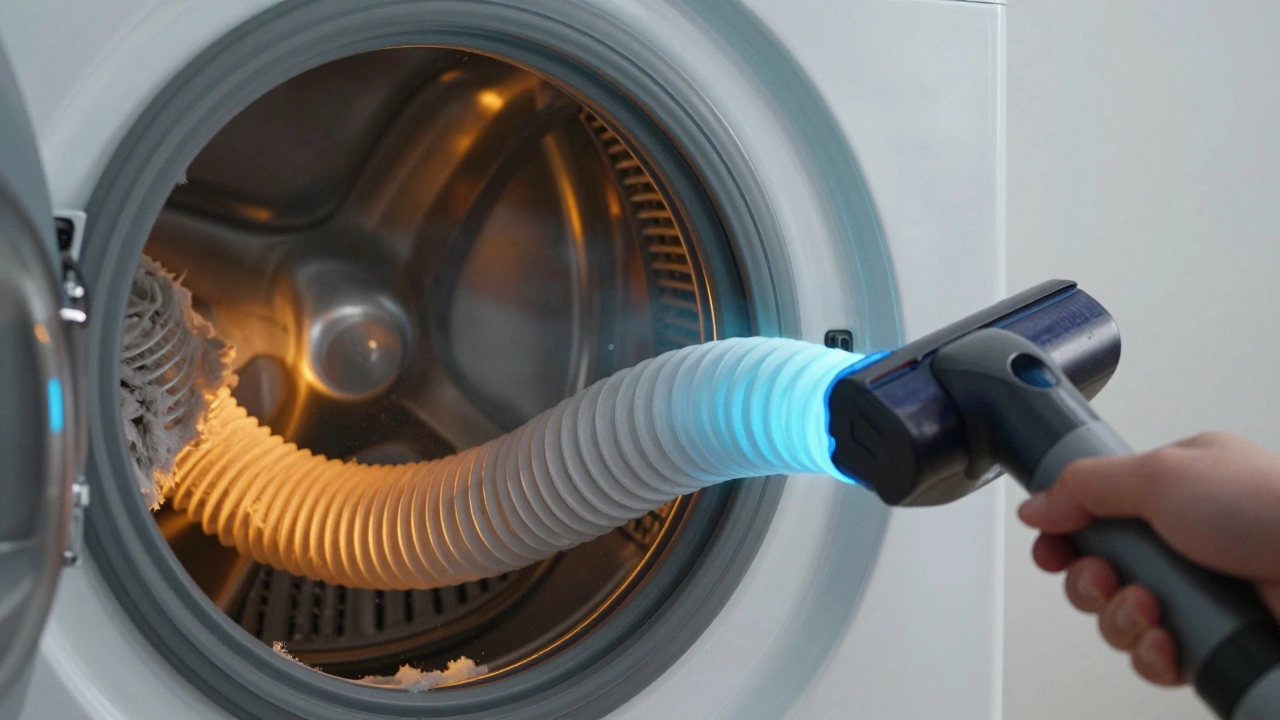
- Dryer: This is a fire hazard waiting to happen if ignored. Clean the lint trap after every single load. Vacuum the vent hose and exterior vent opening every 6 months. If your dryer takes longer than usual to dry clothes, the vent is likely blocked.
In Dunedin, where humidity can be high, mold in washing machines is a common issue. If you smell mustiness, check the rubber gasket around the door. Wipe it down regularly and store sponges outside the drum.
Small Appliances
Don’t overlook the smaller gadgets. Coffee makers, toasters, and blenders accumulate grime too.
Descaling is critical for any appliance that heats water. Limescale builds up inside kettles, coffee machines, and steam irons, reducing efficiency and potentially damaging heating elements. Use a 50/50 mix of white vinegar and water, run a cycle, then rinse thoroughly with plain water. Do this every 3-6 months depending on water hardness.
Toaster crumbs are a fire risk. Empty the crumb tray weekly. For blenders, wash immediately after use. Dried-on fruit or vegetable residue is hard to remove and can harbor bacteria.
When to Call a Professional Technician
There’s a limit to DIY maintenance. Knowing when to stop trying and call a pro saves time and money. Here are the red flags:
- Electrical Issues: Sparks, burning smells, tripped breakers, or warm outlets near the appliance. Never attempt to fix wiring yourself unless you are qualified.
- Gas Leaks: If you smell rotten eggs near your stove or heater, turn off the gas, ventilate the area, and call a professional immediately. Do not try to find the leak yourself.
- Refrigerant Problems: If your fridge or AC isn’t cooling, it might have a leak. Handling refrigerants requires certification and special equipment.
- Complex Mechanical Failures: Broken belts, seized motors, or gearboxes require disassembly and reassembly that voids warranties if done incorrectly.
In New Zealand, always ensure your technician is licensed, especially for gas and electrical work. Look for certifications from EnergySafe NZ or equivalent bodies. An unlicensed repair might save you cash upfront but could lead to unsafe conditions or voided insurance claims later.
Building a Sustainable Maintenance Routine
The key to success is consistency, not perfection. You don’t need to spend hours every weekend scrubbing appliances. Integrate small tasks into your existing habits.
Set calendar reminders on your phone. Create a simple checklist taped to the inside of a cupboard. Keep cleaning supplies nearby-vinegar, baking soda, and a soft brush are cheap and effective. Treat maintenance like brushing your teeth: a quick daily habit that prevents long-term problems.
If you buy new appliances, read the manual. Seriously. Manufacturers provide specific maintenance instructions tailored to your model. Many people toss the manual away, missing crucial info about filter locations, recommended cleaners, and warranty requirements. Keeping the manual handy makes future troubleshooting much easier.
Finally, consider the age of your appliances. If a unit is over 10 years old and breaking down frequently, maintenance might not be enough. Sometimes, replacement is more economical than repeated repairs. But for mid-life appliances, proper care can extend their lifespan by several years, saving you thousands in replacement costs.
How often should I schedule professional appliance maintenance?
For major appliances like HVAC systems, water heaters, and gas ranges, annual professional servicing is recommended. For refrigerators, washing machines, and dryers, every 2-3 years is sufficient unless issues arise. Small appliances rarely need professional service unless under warranty.
Can I clean my own refrigerator coils?
Yes, absolutely. Unplug the fridge, pull it away from the wall, and use a vacuum brush attachment or a coil brush to remove dust and pet hair from the coils located at the back or bottom. Be gentle to avoid bending the fins. This is one of the most impactful DIY maintenance tasks you can perform.
What are the signs that my washing machine needs immediate attention?
Look for excessive vibration, loud knocking noises, water leaking from the bottom, or clothes coming out dirty despite fresh detergent. Error codes displayed on the screen also indicate specific sensor or motor issues that require diagnosis.
Is it safe to use bleach to clean my dishwasher?
Use caution. Bleach can corrode aluminum parts and damage rubber seals over time. White vinegar is a safer alternative for deodorizing and removing mineral buildup. If you use bleach, place a cup on the top rack and run a hot cycle without dishes, ensuring no other chemicals are present.
Does regular maintenance void my appliance warranty?
No, routine maintenance does not void warranties. In fact, many manufacturers require proof of regular maintenance (like filter changes) to honor certain claims. However, unauthorized repairs or modifications by non-certified technicians can void the warranty. Always check your manual for specific requirements.