
The Exact Name Matters
When your cooking stops working, the first question isn’t just about fixing the machine; it’s about finding the right person to help. You might be wondering exactly what professional has the skills to get your appliance running again. While people often just say “repairman,” the industry uses more specific titles depending on their training and equipment.
The most accurate term for a professional who fixes these units is an Oven Repair Technician, who is a skilled tradesperson specializing in diagnosing and restoring kitchen cooking appliances. They work across various brands including Bosch, Samsung, Whirlpool, and GE. In many contexts, they are also called an Appliance Repair Specialist, especially when they handle multiple devices in a home. Using the correct title helps when searching directories because some specialists focus only on high-end range cookers, while others handle standard domestic units.
Why does the distinction matter? Because a standard handyman might tighten a screw, but a certified technician understands voltage requirements and gas line safety codes. In 2026, with the rise of smart appliances, this technical gap has widened significantly. You aren't just hiring a mechanic; you're hiring someone who understands circuitry, combustion engines, and sometimes even software diagnostics.
Differentiating Between Technicians and Specialists
The title changes slightly based on what technology is inside your kitchen. A professional dealing primarily with electric models might label themselves differently than someone focused on natural gas lines. This specialization ensures compliance with local safety regulations, which are stricter now than they were five years ago.
- Oven Repairman: A broad term often used in older listings or by general appliance shops. They may handle washing machines too.
- Range Cooker Expert: Specializes in large built-in units common in European-style kitchens. These are complex, heavy, and expensive.
- Gas Appliance Engineer: Required for gas-fuelled ovens. They must verify gas tightness and ventilation safety before testing functionality.
- Electronics Technician: Often handles the control boards and touchscreens on modern smart ovens.
Understanding these distinctions saves time. If you have a vintage gas range, calling a guy who only fixes Wi-Fi enabled microwaves is a mismatch. For example, in Dunedin, we see many heritage homes with older gas lines. A specialized Gas Appliance Engineer knows how to test those legacy connections safely, whereas a generalist might overlook critical pressure leaks.
Essential Tools and Skills for 2026
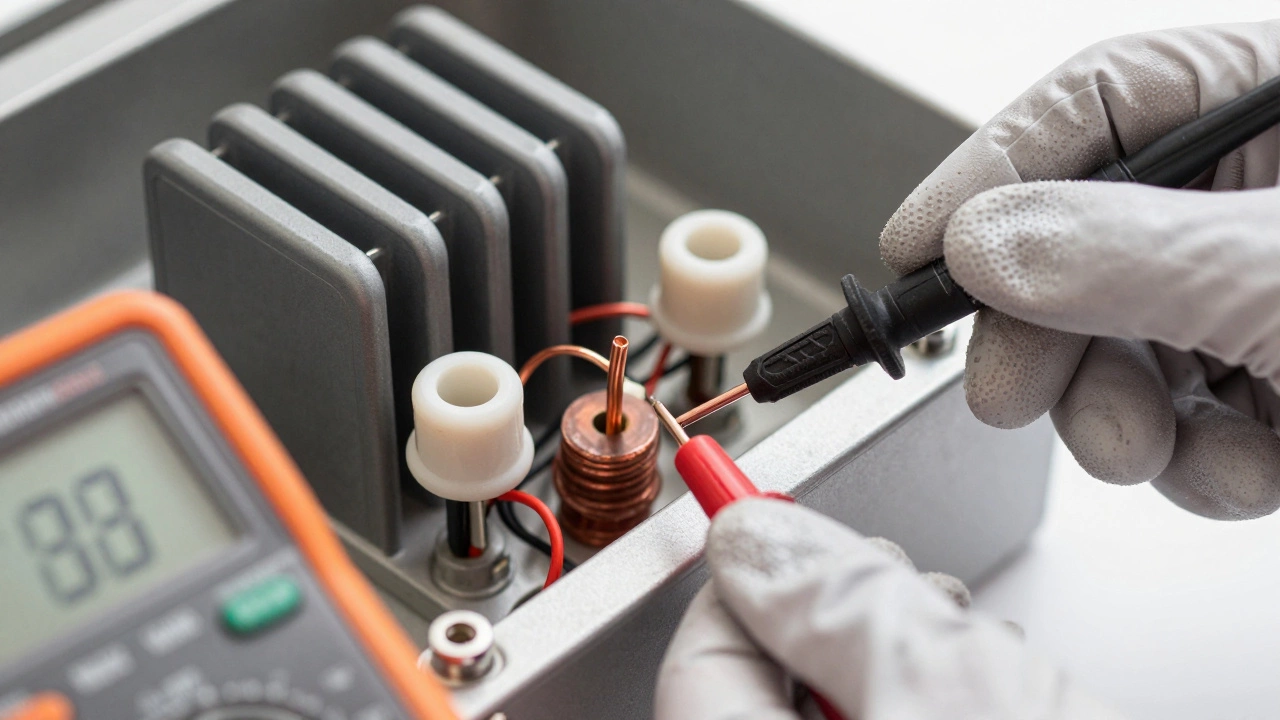
A qualified technician doesn't just arrive with a screwdriver. Modern ovens hide faults behind complex layers of digital interfaces and sealed combustion chambers. To restore functionality, they rely on specific diagnostic hardware that separates the pros from amateurs.
| Tool Name | Function | Application Scenario |
|---|---|---|
| Digital Multimeter | Measures voltage and continuity | Testing heating elements and thermal fuses |
| Manometer | Checks gas pressure levels | Safely adjusting gas burners for efficiency |
| Infrared Thermometer | Reads surface temperatures instantly | Verifying thermostat calibration accuracy |
| Diagnostic Laptop | Connects to onboard computer | Retrieving error codes on smart models |
Beyond the tools, there is a requirement for specific certifications. In many regions, handling gas appliances legally requires a license, such as a Gas Fitter Certificate. Without this credential, a repair is technically illegal and voids insurance policies. Additionally, electricians and technicians need knowledge of electrical load management. An oven draws significant amperage-often 30 to 50 amps-so a proper repair includes checking the supply wires for corrosion or melting insulation.
Experience plays a huge role in speed. A seasoned technician knows that if a broiler element won't heat up, it's often the high-temperature cutoff fuse before it is the element itself. They avoid unnecessary part replacement costs by tracing the logic flow correctly. This expertise directly translates to your wallet saving money on unneeded spare parts.
Understanding Service Costs and Pricing Models
Pricing has shifted noticeably by early 2026 due to global supply chain stabilization and inflation. Knowing the standard rates prevents you from being quoted excessive fees for routine checks. Most professionals charge either a flat diagnostic rate or an hourly labor fee plus parts.
- Call-out Fee: Typically ranges between $60 and $100 just to travel and inspect. This often gets deducted from the final bill if you proceed with the repair.
- Labor Rate: Can range from $85 to $150 per hour depending on complexity and urgency.
- Parts Markup: Industry standard usually adds a 20% to 40% markup on OEM components.
If your oven is under warranty, calling a third-party independent repair technician might void that coverage. Manufacturers insist you use authorized dealers for new models. However, once the warranty expires after three years, authorized service networks become significantly more expensive than local independent specialists. For older units past the six-year mark, independent repair remains the financially sound choice over buying new.
It is crucial to ask for a quote before the job starts. Transparency in 2026 involves providing a breakdown of parts versus labor. Some providers might offer a "parts and labor warranty" on their work, guaranteeing that the fix lasts for at least 90 days or so. If a technician offers no warranty on their repair, walk away immediately.
The Smart Appliance Evolution
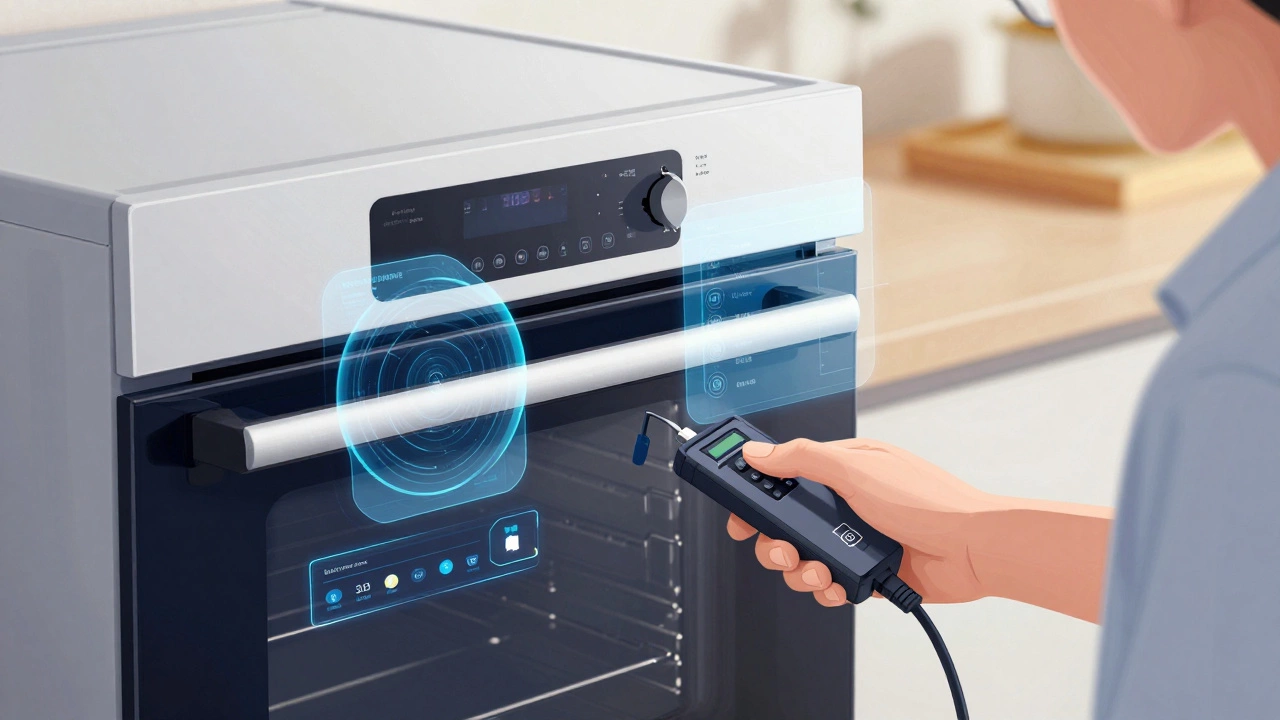
The landscape of repair changed drastically with the introduction of connected cooking systems. By 2026, nearly all high-end ovens connect to the home network for remote pre-heating and recipe syncing. These smart features introduce a completely different failure mode compared to mechanical switches and knobs.
An Smart Oven Technician specializes in firmware updates and app connectivity troubleshooting. Sometimes the issue isn't the hardware but the backend server or the router configuration in your home. Before assuming a costly board replacement is needed, they will run a network stress test to ensure the data stream to the oven is stable. Ignoring this step leads to unnecessary replacement of expensive control panels that were actually functioning perfectly.
Furthermore, energy efficiency sensors in modern units require precise calibration. If your oven cycles power randomly, it could be the temperature probe rather than the main processor. Specialists carry proprietary software dongles to reset these factory parameters. Attempting to hack these settings yourself risks bricking the motherboard, turning a cheap repair into a total replacement necessity.
When DIY Becomes Dangerous
There is always the temptation to save money and tackle the problem yourself, especially if you are comfortable with household tools. However, the stakes inside an oven cavity are higher than most DIY projects involve. High-voltage capacitors hold charges even when the unit is unplugged, and gas valves remain pressurized regardless of power status.
You should call a professional immediately if you notice any of the following signs:
- Smell of Burning Gas: Even a faint odor indicates a leak that could explode in confined spaces.
- Rocket Switches: Any spark near the door seals suggests electrical arcing which creates fire hazards.
- Carbon Monoxide Alerts: If your detector goes off near the kitchen, shut down usage until inspected.
Simple tasks like cleaning the door seal or replacing the grease trap filter are safe for owners. Anything involving the rear panel, wiring harnesses, or internal combustion chamber strictly requires a certified expert. Protecting your family and property takes priority over saving $50 in labor fees.
Finding a Reliable Repairer Near You
Selecting the right person begins with vetting. In today’s market, online reviews can be manipulated, so look for verification badges or Google Maps photos of actual completed jobs. A good sign is a technician willing to provide a second opinion on a quote sent by another company.
Ask specifically about their experience with your brand model number. Generalists are fine for common parts, but niche brands like Wolf or Miele benefit from dedicated specialists who stock the proprietary screws and gaskets required for those units. Ask about their turnaround time for parts. Delays happen, but an honest provider will tell you upfront if a part is back-ordered from the supplier.
Always request a written estimate. Verbal quotes often lead to disputes over unexpected complications found once the unit is pulled out. Clear documentation protects both parties and sets realistic expectations regarding the timeline of getting your kitchen back to normal operation.
Is an electrician the same as an oven repair technician?
No, an electrician focuses on house wiring and safety compliance, while an oven technician specializes in internal mechanics, electronics, and component replacement. An electrician can install the outlet, but a technician fixes the appliance.
How long does an oven repair usually take?
Most diagnostic visits take 45 minutes. Simple part swaps add another hour. Complex electronic repairs or waiting for parts might extend the timeline to 2-3 days.
Can I repair a gas oven myself?
It is unsafe to attempt gas repairs without certification. Gas leaks pose explosion risks. Only licensed professionals should handle gas valve replacements or thermocouple adjustments.
Do manufacturers still support old models?
Support varies by age. Many companies stop stocking parts after 8 years. Independent technicians often source refurbished parts or aftermarket alternatives to extend the life of older units.
Is it worth repairing an oven over 10 years old?
If the cost is less than 50% of a new unit, repair is usually better. Older appliances are robustly built and often outlast cheaper new models in longevity.