Short Water Heater Life: Why It Happens and How to Fix It
When your water heater, a household appliance that heats and stores water for showers, sinks, and appliances. Also known as a hot water tank, it should last 8 to 12 years. But if yours is dying in 5 or less, something’s wrong—and it’s probably not bad luck. A short water heater life isn’t normal. It’s a sign of neglect, poor water quality, or a hidden problem you can fix before it costs you hundreds—or worse, floods your basement.
One of the biggest killers of water heaters is sediment buildup, mineral deposits that sink to the bottom of the tank and trap heat, forcing the system to work harder. In hard water areas, this builds up fast. Think of it like a blanket wrapped around the heating element. The heater burns out sooner because it’s overheating trying to push heat through the gunk. Flushing your tank once a year cuts this problem in half. It’s not complicated: turn off the power, attach a hose to the drain valve, and let it run until the water clears. Most people skip this, then wonder why their heater died early.
Another big reason? anode rod failure, a sacrificial metal rod inside the tank that attracts corrosive elements so the tank doesn’t rust. This rod wears down over time. If you never check it, the tank starts corroding from the inside. A good anode rod can add 5+ years to your heater’s life. Replace it every 3 to 5 years, especially if you have soft water or a water softener—it speeds up rod decay.
And don’t ignore the thermostat, the control that keeps your water at the right temperature. If it’s stuck on high, your heater runs hotter than it should, stressing the tank and pipes. High heat also speeds up mineral buildup. Set it to 120°F (49°C). That’s hot enough for showers, safe for kids, and kinder to your appliance.
Some folks think a water heater that keeps tripping the reset button is just being temperamental. It’s not. That’s a warning sign. It could mean the thermostat is failing, the element is shorting out, or the pressure valve is clogged. Hammering the reset button over and over won’t fix it—it just risks a leak or explosion. If it’s resetting more than once, call a pro.
And here’s the truth: if your heater is older than 8 years and you’re already fixing it every season, you’re throwing money away. A new, efficient model might cost more upfront, but it’ll save you on energy bills and surprise repairs. Check the energy guide label. Look for a higher EF rating—Energy Factor. That’s the number that tells you how efficiently it turns gas or electricity into hot water.
You don’t need to wait for a burst tank to realize your water heater is on its last legs. Look for rust around the base, weird noises like popping or rumbling, or water that’s suddenly rusty or smells bad. These aren’t just annoyances—they’re red flags.
The posts below give you real, step-by-step fixes for the most common reasons a water heater dies too soon. You’ll find out how often to flush it, what to check if it keeps tripping, how to test your anode rod, and when it’s smarter to replace it than repair it. No fluff. No sales pitches. Just what actually works.
Oct 27, 2025
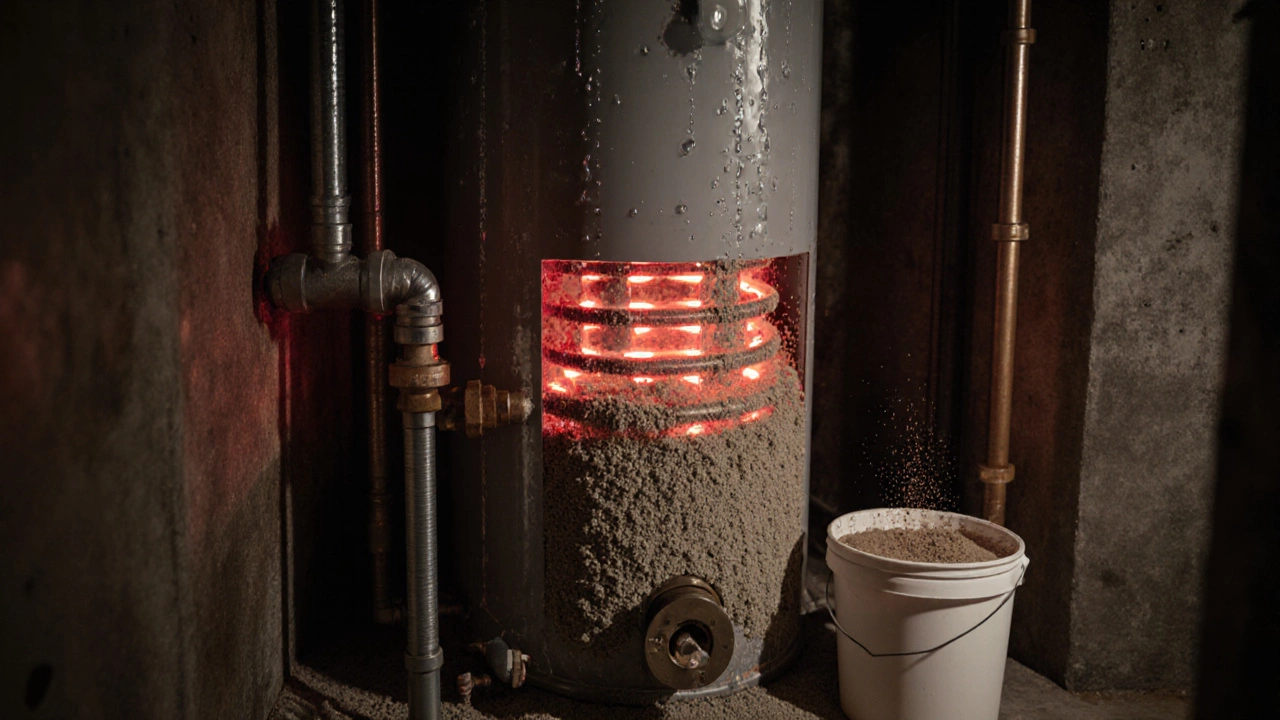
Why Do Water Heaters Fail So Quickly?
0 Comments
Water heaters often fail early due to sediment buildup, corroded anode rods, high pressure, and wrong temperature settings. Learn how simple maintenance can double your heater's lifespan.
Read More