Understanding Ceramic Cooktop Damage
When dealing with ceramic cooktop damage, any break, chip, or discoloration on a glass‑top stove that affects performance or safety. Also called glass stove top damage, it can arise from sudden temperature shifts, heavy pots, or impact. Cracks, the most common form of damage, range from hairline fissures to deep breaks that let heat escape often signal deeper thermal stress. Another key factor is heat distribution, how evenly the cooktop spreads temperature across its surface, because uneven spots can cause stress points that lead to chips. Understanding these elements helps you decide whether a simple fix will do or if a professional repair is needed.
What Usually Triggers Damage?
Most homeowners notice trouble after using a pan that’s too heavy or has a rough bottom. Dropping a skillet can crack the glass instantly, while dragging a metal utensil can chip the edge. Rapid temperature changes—like splashing cold water on a hot surface—create thermal shock, which expands the glass unevenly and cracks it. Even everyday cleaning mistakes matter; abrasive cleaners scratch the glaze, making it easier for future damage. These causes show a clear link: poor handling + sudden temperature change → ceramic cooktop damage. Recognising the pattern lets you adapt habits before a small flaw becomes a costly repair.
Another overlooked contributor is the type of cookware. Flat‑bottomed, compatible‑size pots distribute heat uniformly, reducing stress on the surface. Conversely, warped or uneven bottoms concentrate heat in one spot, increasing the chance of discoloration or cracking. When you match the right pan to the right burner, you’re essentially managing heat distribution to protect the glass.
Beyond user error, manufacturing defects occasionally play a role. Some units have weak points where the glass meets the metal frame. Over time, regular use can magnify these weak spots, turning a harmless vibration into a crack. Knowing that structural integrity can vary between models helps you choose a reliable replacement if repair isn’t sensible.
Safety is non‑negotiable. A cracked cooktop can shatter under heat, sending shards across the kitchen. Even minor chips expose the underlying heating element, raising electricity hazards. If you see any damage, turn off the stove, let it cool, and assess the severity before proceeding. This quick step prevents accidents and gives you a clear view of the repair path.
When you decide to fix the issue, the repair method hinges on the damage type. Small surface chips often respond to a DIY glass‑top repair kit: clean the area, apply the resin, and let it cure. Larger cracks usually require a professional to replace the glass panel, which involves disconnecting power, removing the old top, and fitting a new one with proper seals. Both routes emphasize the need for correct tools—suction cups, safety gloves, and a level surface—to ensure a smooth outcome.
Our broader collection of appliance guides shows why expertise matters across the board. From electric stove repair to oven heating element replacement, each article highlights steps and safety checks that apply equally to cooktop work. If you’ve ever fixed a microwave or troubleshooted a boiler, you already understand the importance of turning off power, testing components, and knowing when to call a pro. Those same principles protect you when tackling ceramic cooktop damage.
Preventive care can save you time and money. Use cookware that matches the burner size, avoid dragging heavy pots, and let the surface cool before cleaning. Sprinkle a thin layer of cooking oil on the glass after each use to create a protective barrier—something we recommend in our oil‑based maintenance tip for hobs. Regularly inspect the surface for early signs of stress; catching a hairline crack early makes replacement cheaper.
If you’re unsure whether the damage is repairable, a quick visual check helps. Look for:
- Depth of the crack—if it’s deeper than the glass surface, replacement is likely.
- Location—edges are easier to replace than central panels.
- Spread—multiple small chips may indicate a broader issue.
These clues let you weigh DIY options against professional service. For most homeowners, a cracked edge can be handled with a kit, while central fractures usually call for a qualified technician.
In short, ceramic cooktop damage stems from handling, heat, and material flaws. By grasping how cracks form, how heat distribution affects stress, and the safety steps to take, you can choose the right repair path. Below you’ll find a range of articles covering related appliances—boilers, ovens, hobs, and more—so you can broaden your repair knowledge and keep every part of your kitchen running smoothly.
Oct 20, 2025
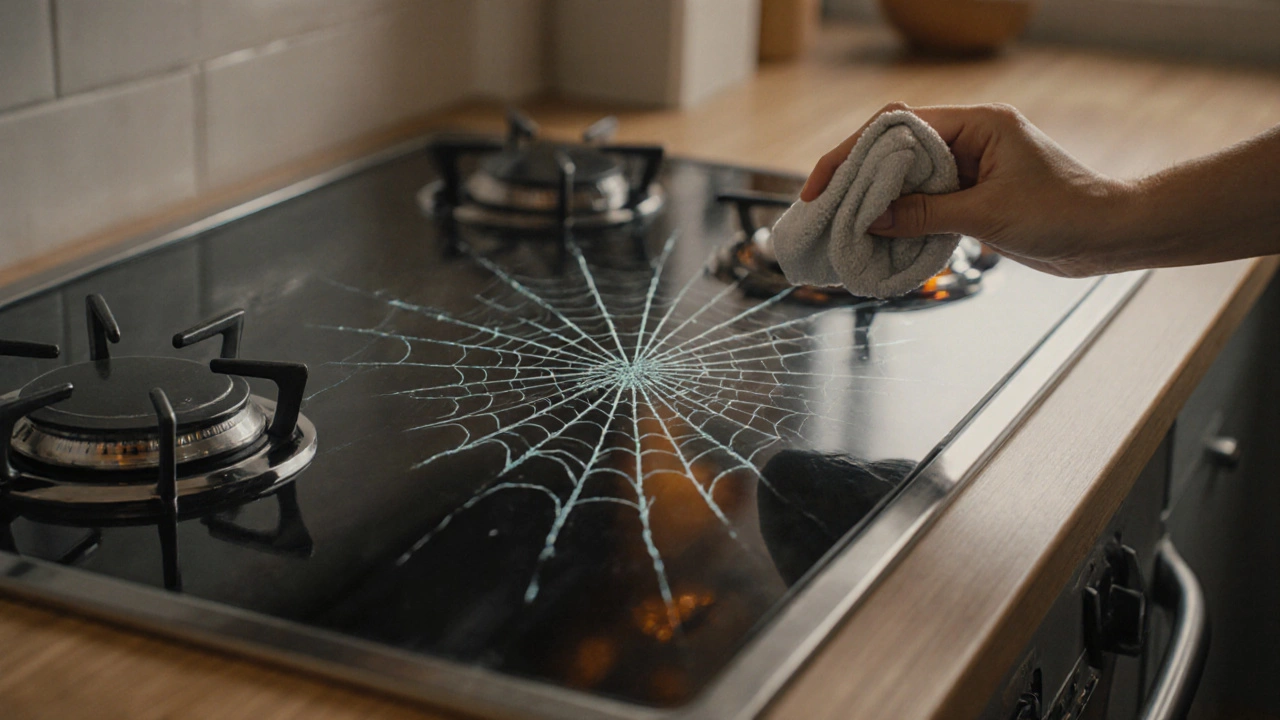
Common Reasons an Electric Hob Cracks and How to Fix Them
0 Comments
Learn why electric hobs crack, spot the signs, and discover DIY fixes, professional repair tips, and prevention methods to keep your kitchen safe.
Read More