Home Item Classifier: Appliance or Fixture?
Select a household item or describe its characteristics to find out if it's classified as an Appliance or a Fixture.
The short answer is no. A standard toilet is not an appliance; it is a plumbing fixture. While both are things you use in your home to maintain hygiene and comfort, they belong to entirely different categories of home infrastructure. If you call an appliance technician to fix a leaking flapper valve, they'll likely tell you that you're calling the wrong person.
Quick Takeaways
- Toilets are categorized as plumbing fixtures, not appliances.
- Appliances usually require electricity or gas to function; fixtures are permanent parts of the home's plumbing or electrical system.
- Fixtures stay with the house when it's sold; appliances are often considered personal property (though some are "built-in").
- Plumbers handle toilet issues; appliance technicians handle washers, dryers, and ovens.
Breaking Down the Difference: Appliance vs. Fixture
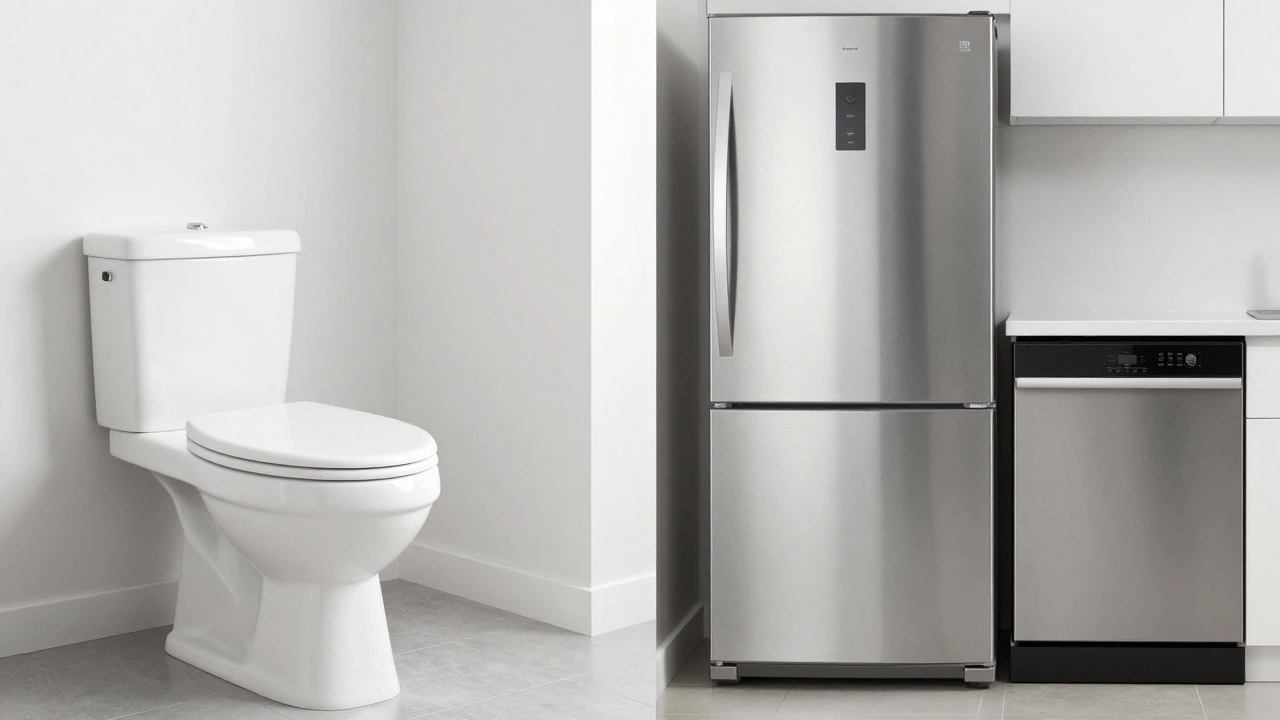
To understand why your toilet doesn't fit the bill, we need to look at how the industry defines these terms. Home Appliance is a device designed to perform a specific household task, typically powered by electricity or gas. Think of a white good like a refrigerator or a dishwasher. These machines use energy to change the state of something-cooling food, heating water, or spinning clothes.
A toilet, on the other hand, is a Plumbing Fixture. By definition, a fixture is something permanently attached to the building's structure. It is a point of connection to the building's water supply and waste removal system. While a toilet has moving parts-the handle, the flapper, the fill valve-it doesn't "process" anything using external power. It relies on gravity and water pressure. If the power goes out in your neighborhood, your microwave stops working, but your toilet still flushes. That is the fundamental gap between the two.
The Gray Area: Smart Toilets and Bidets
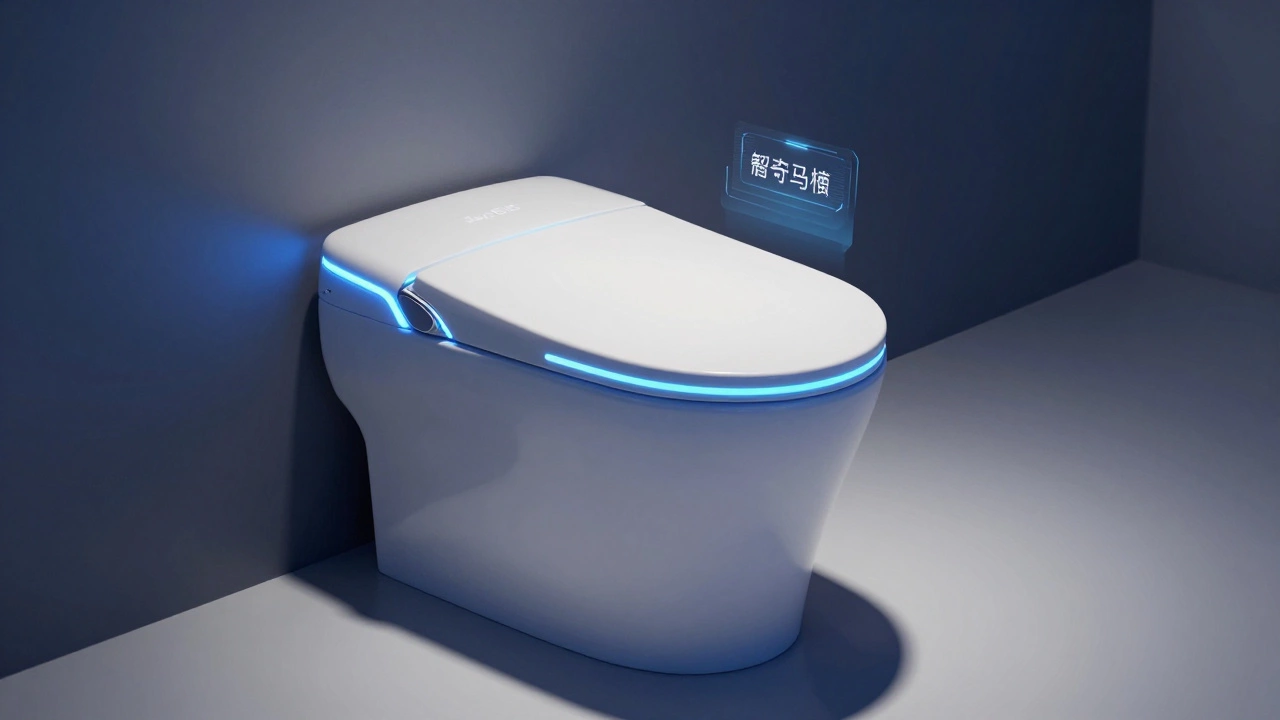
Things get a bit blurry when we talk about modern bathroom tech. If you have a Smart Toilet with a heated seat, an automatic lid, and a built-in bidet, you've effectively merged a fixture with an appliance. These devices require an electrical outlet and have circuit boards, sensors, and heating elements.
Does a heated seat make a toilet an appliance? Not exactly. It makes it a fixture with integrated appliances. If the porcelain cracks, you still need a plumber. If the electronic bidet panel shorts out, you might need an electrician or a specialized technician. This hybrid nature is why some high-end home warranties have separate clauses for "plumbing fixtures" and "electronic bathroom accessories."
| Feature | Home Appliance | Plumbing Fixture |
|---|---|---|
| Power Source | Electricity or Gas | Water Pressure / Gravity |
| Installation | Plug-and-Play or Hardwired | Permanently Plumbed/Bolted |
| Primary Goal | Mechanical Task (Wash, Cool, Heat) | Water Distribution/Removal |
| Professional Needed | Appliance Technician | Licensed Plumber |
| Example | Dishwasher | Toilet |
Why the Classification Matters for Your Wallet
You might be thinking, "Who cares what it's called as long as it works?" But this distinction is the primary cause of arguments between homeowners and insurance companies. Most Home Warranty plans have different coverage limits for "Systems" and "Appliances." Plumbing is usually listed under "Systems." If you try to claim a toilet repair under your "Appliance Coverage," the company might deny it because a toilet isn't a machine.
Similarly, consider the resale value of a home. When a realtor lists a house, "appliances included" usually refers to the fridge, stove, and washer. You'll almost never see a listing that says "appliances included: 3 toilets." That's because the toilets are part of the real estate itself. They are fixtures that stay with the property by default, whereas a standalone microwave is an appliance that the seller can take with them when they move.
Who Do You Call When Things Go Wrong?
Calling the wrong professional can lead to wasted service fees. If you have a leak at the base of the toilet or a clog that won't budge, you need a Plumber. They are trained in venting, drainage, and the installation of PVC or copper piping. An appliance repair person knows how to fix a compressor in a fridge or a heating element in an oven, but they aren't licensed to cut into your main water line.
However, if you have a high-end electronic bidet and the water isn't heating up, you're in a tricky spot. In this case, start with the manual. Many smart toilet brands have their own dedicated service technicians. If you call a general appliance service, make sure to specify that it's an electronic fixture. Most standard appliance techs handle "white goods" and might not have the tools to deal with specialized plumbing electronics.
Common Misconceptions About Bathroom Equipment
Many people confuse "fixtures" with "appliances" because they both involve water. For example, a Washing Machine is an appliance because it uses a motor and a timer to agitate clothes. A Kitchen Sink is a fixture because it's just a basin and a drain. Even though both connect to your pipes, only one is a machine.
Another common mistake is thinking that because a toilet has a "mechanism" (the flush valve), it's a machine. In reality, that mechanism is a simple mechanical trigger. It doesn't transform energy to perform a task; it simply opens a gate to let water flow. This is why it remains firmly in the fixture category.
Frequently Asked Questions
Can I use my appliance warranty to fix a toilet?
Almost certainly not. Appliance warranties cover machines like dishwashers or refrigerators. Toilets are plumbing fixtures and fall under plumbing or home system warranties. Check your policy for "Plumbing Systems" coverage instead.
Is a bidet an appliance?
A standard bidet attachment that uses the existing water line is a fixture. However, a standalone electronic bidet with heating and controls is considered an appliance or a hybrid electronic fixture. It requires electricity to function, which separates it from a traditional toilet.
Who is qualified to install a new toilet?
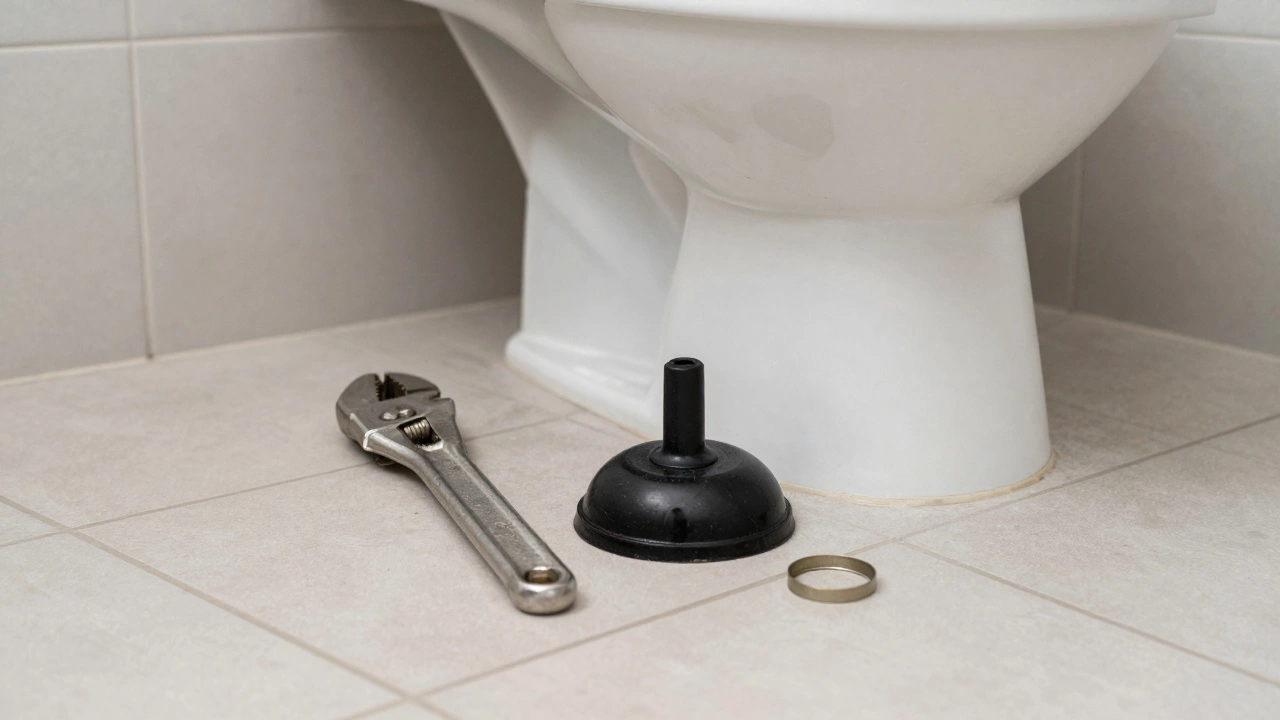
A licensed plumber is the correct professional for this job. They ensure the wax ring is sealed correctly and the flange is secure to prevent water damage to your subfloor, which is a specialized skill not taught in appliance repair.
Do smart toilets change the classification?
While they add appliance-like features (electricity, sensors), the core object is still a plumbing fixture. For insurance and real estate purposes, it is still treated as a fixture, though the electronic components may be serviced by appliance or electronics techs.
Why do some people call them appliances?
It's usually a linguistic mistake. Because we associate the bathroom with "utilities," people lump everything together. However, in professional trade terms, the difference between a machine (appliance) and a connection point (fixture) is very strict.
Next Steps for Homeowners
If you're currently facing a bathroom issue, stop searching for "appliance repair" and start looking for a licensed plumbing professional. If you're dealing with a smart toilet, check the manufacturer's warranty first, as electronic components often have different coverage than the porcelain shell. When updating your home for resale, remember that upgrading your fixtures (like a new low-flow toilet) generally adds more permanent value to the property than adding a standalone appliance.