Dishwasher Repair or Replace Calculator
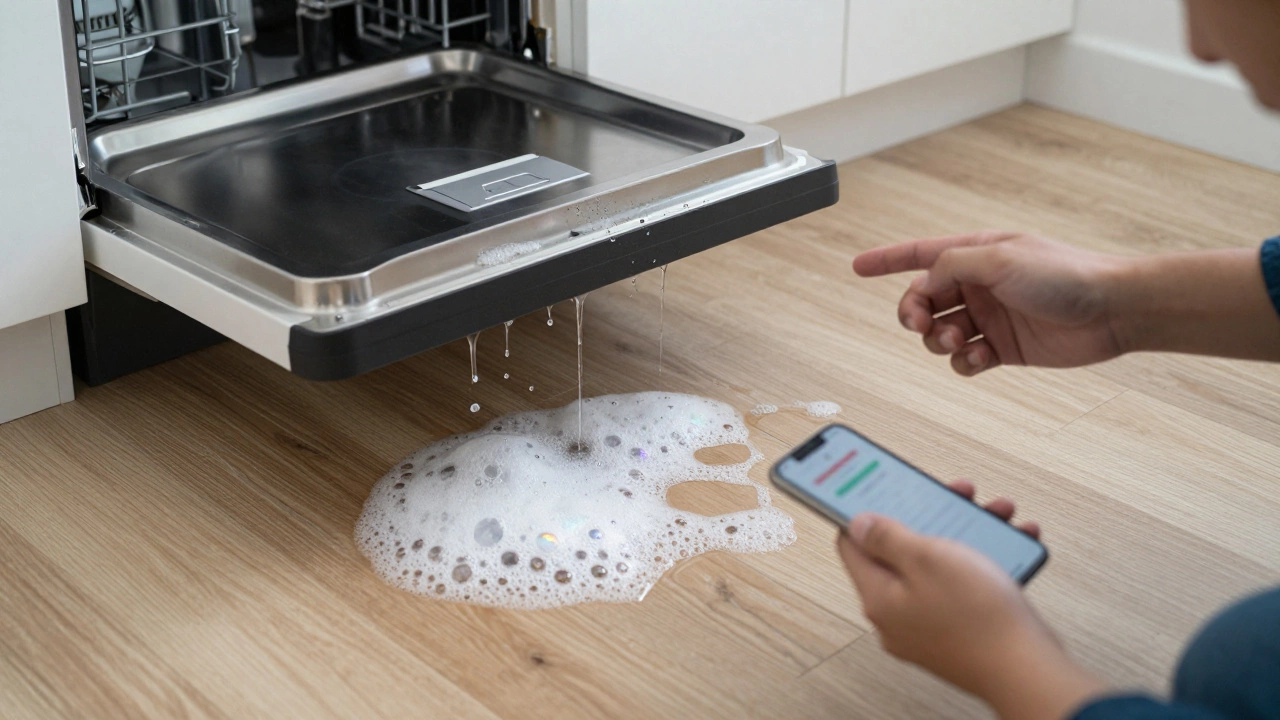
Your kitchen is suddenly a mess because your dishwasher decided to quit. You're staring at a pool of soapy water on the floor or a stack of plates that are still dirty after a full cycle. Now comes the big question: do you call a technician to fix it, or do you start browsing for a new model? It feels like a gamble. Spend $200 on a part and it breaks again next month, or spend $800 on a new machine when a simple fuse was the culprit. The truth is, there is a logical way to figure this out without guessing.
Key Takeaways for Your Decision
- If the repair cost exceeds 50% of a new machine's price, replace it.
- Appliances older than 10 years are usually better to replace due to energy inefficiency.
- Critical failures like a cracked tub or rusted chassis are non-negotiable replacement triggers.
- Simple electrical faults or pump clogs are almost always worth repairing.
The 50% Rule and the Math of Repair
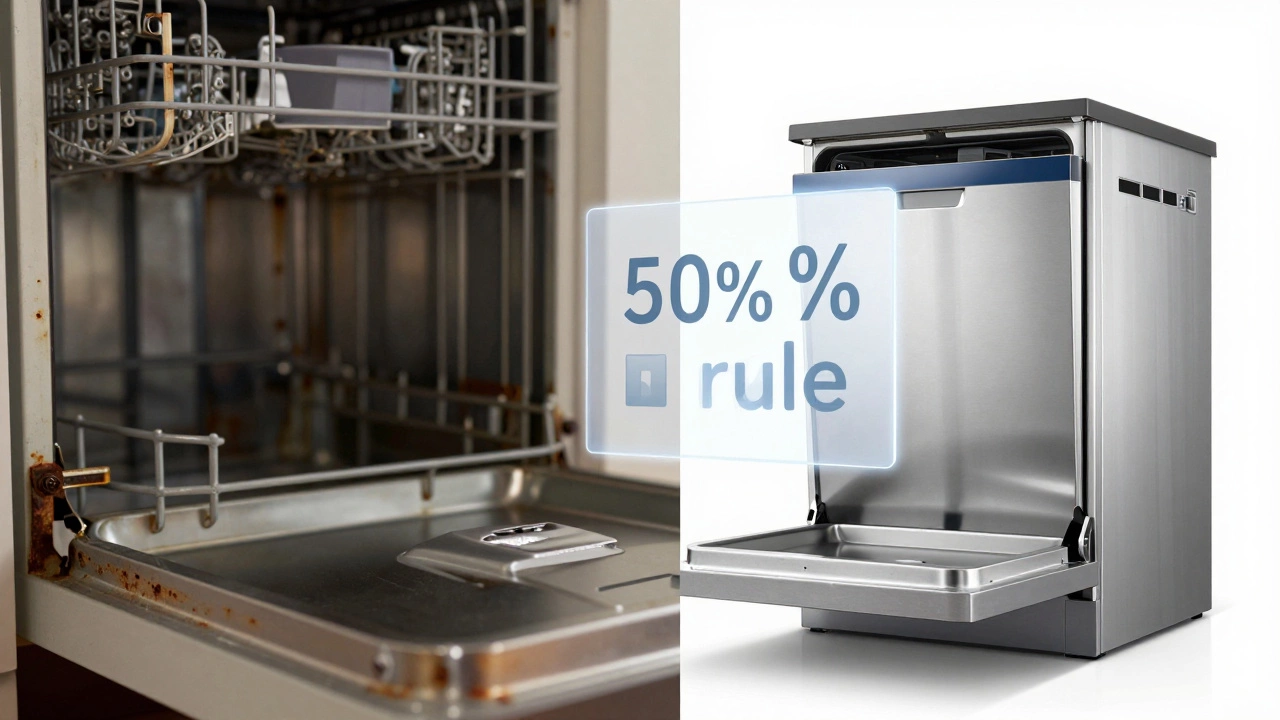
Before you get stressed, use the 50% rule. This is a simple heuristic used by home inspectors and appliance pros. If the cost of the dishwasher repair is more than half the cost of a brand-new, comparable machine, you should probably buy a new one. For example, if a high-end Bosch dishwasher costs $900 and the repair quote is $550, you're throwing money away on an old machine.
But it's not just about the immediate bill. You have to consider the "sunk cost." If you spent $150 last year fixing a leak and now the motor is gone, you're reaching a point of diminishing returns. A machine that keeps breaking is a liability to your kitchen flooring, especially if you have hardwood or laminate that swells when wet.
Evaluating the Age of Your Machine
Most modern dishwashers have a lifespan of about 9 to 12 years. If your unit is comfortably in its first 5 years, repair it. Parts are readily available, and the machine is likely still efficient. If it's 10 years old, you're in the danger zone. Even if you fix the current issue, other components like the water inlet valve or the door seal are likely wearing out due to age.
Think about energy standards. A dishwasher from 2015 uses significantly more water and electricity than a 2026 model. Newer machines often feature inverter motors that run quieter and use less power. Over two years, the savings on your utility bill can actually offset a portion of the cost of a new appliance.
| Scenario | Age of Unit | Estimated Cost | Recommended Action |
|---|---|---|---|
| Clogged Filter/Pump | Any Age | Low ($0 - $150) | Repair |
| Failed Control Board | < 6 Years | Medium ($200 - $400) | Repair |
| Failed Control Board | > 10 Years | Medium ($200 - $400) | Replace |
| Leaking Inner Tub | Any Age | High (Structural) | Replace |
| Heating Element Failure | 7-9 Years | Medium ($150 - $300) | Toss a Coin / Replace |
Red Flags That Mean It's Time to Say Goodbye
Some problems are simply "death sentences" for a dishwasher. If you see these, don't even bother calling a technician for a quote:
- The Tub is Cracked: If the inner lining of the dishwasher is cracked or leaking from the plastic shell, it's game over. Replacing a tub is essentially replacing the whole machine, but with more effort.
- Excessive Rust: A little surface rust on a rack is fine. But if the base of the machine is rusted through, the structural integrity is gone.
- Persistent Electrical Smells: If you smell burning plastic or see charred wires on the main control board, the internal wiring may be compromised.
- Chronic Leaking: If you've replaced the door gasket and the pump seal, but it still leaks from unknown spots, the chassis might be warped.
When Repair is the Only Logical Choice
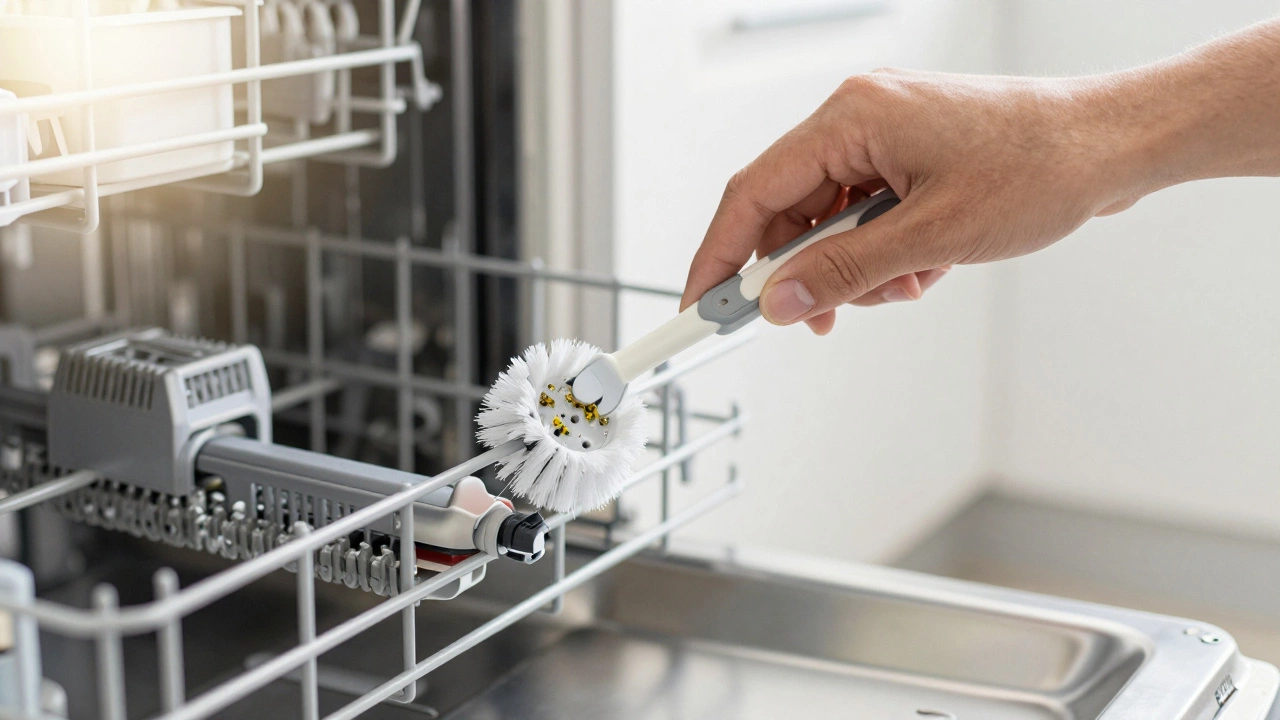
On the flip side, some issues are just "nuisance' problems." If your dishes aren't getting clean, the problem might not even be the machine. Have you checked the spray arm for debris? A stray popcorn kernel or a piece of broken glass can block the water flow, making it seem like the pump has died when it's actually just obstructed.
Similarly, if the dishwasher won't start, it could be as simple as a tripped circuit breaker or a blown thermal fuse. These are quick fixes that a professional can handle in 30 minutes. If you have a high-end, luxury machine with a warranty or a long-term service plan, repairing is almost always the better route because the cost of a comparable replacement would be astronomical.
Environmental and Practical Considerations
We often forget the environmental impact of tossing a 100lb steel and plastic box into a landfill. If the repair is reasonable, fixing it is the greener choice. However, this is balanced by the water waste of an old, inefficient machine. If your old unit uses 6 gallons of water per cycle while a new Energy Star certified model uses 3, the environmental win shifts toward replacement over a few years.
Also, consider the "hassle factor." Replacing a dishwasher usually involves disconnecting water lines and potentially modifying a cabinet if the new model is a different size. If you're already planning a kitchen remodel, wait and replace the unit then. If you need clean plates tomorrow, a quick repair is the path of least resistance.
How long do most dishwashers actually last?
On average, you can expect a dishwasher to last between 9 and 12 years. Premium brands often lean toward the 12-15 year mark, while budget models may start showing significant wear after 7 years. The lifespan depends heavily on how often you clean the filters and whether you use the correct detergent.
Is it worth fixing a dishwasher that doesn't drain?
Yes, usually. Drainage issues are often caused by a clogged drain hose, a failed drain pump, or a blockage in the garbage disposal. These are common, isolated failures that don't indicate the rest of the machine is dying. It's typically a straightforward fix for a technician.
Can a dishwasher be too old to repair?
Yes. Once a machine passes the 12-15 year mark, finding OEM (Original Equipment Manufacturer) parts becomes difficult. If the manufacturer no longer produces the control board or the motor for your specific model, you're forced to use generic parts which may not be reliable, making replacement the only viable option.
Why is my dishwasher not heating the water?
This is usually caused by a burnt-out heating element or a faulty thermostat. While the heating element is a common part to replace, if the control board is the cause of the heating failure, the cost rises. If the machine is old, this is often the point where owners decide to upgrade.
Does a loud noise mean I need a new dishwasher?
Not necessarily. A loud grinding noise often means something is stuck in the pump or the spray arm is hitting a dish. However, if it's a loud, rhythmic screeching, the motor bearings might be failing. Motor replacement is expensive, so this is when you should apply the 50% rule mentioned above.
What to Do Next
If you've decided to repair, start by documenting the exact model number and serial number from the sticker inside the door. This ensures the technician brings the right parts. If you're replacing it, measure your opening width, depth, and height precisely. Don't assume a "standard 24-inch" fit will work perfectly, as some brands have slight variations that can leave awkward gaps or prevent the machine from sliding in.
For those on the fence, try a deep clean first. Run a cycle with a commercial dishwasher cleaner or a bowl of white vinegar on the top rack. You'd be surprised how many "broken" dishwashers are actually just clogged with lime scale and grease, requiring zero spend on parts or new machines.