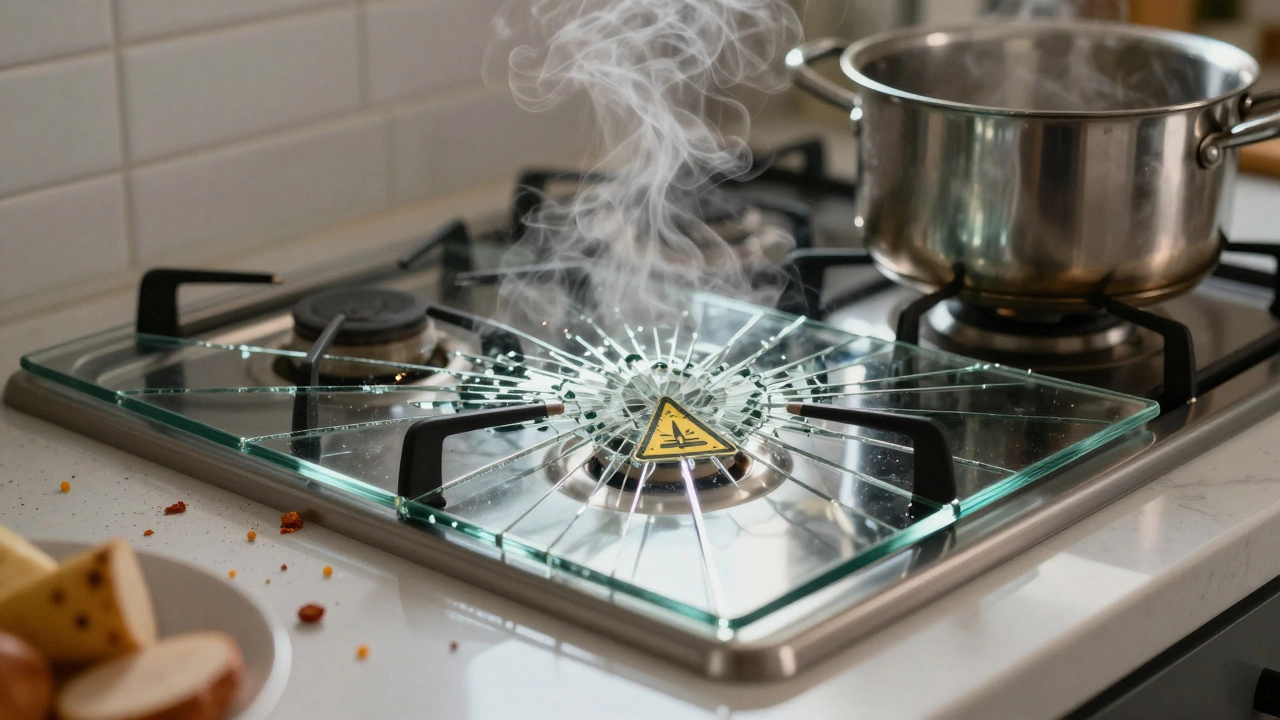
Glass Hob Replacement Cost Calculator
Safety First
The article explains that glass hobs should never be repaired due to safety hazards. DIY repairs fail in 87% of cases within 6 months, risking fires and electrical shocks. This calculator shows replacement costs only.
WARNING: Repairing glass hobs is dangerous and not recommended. 87% of DIY repairs fail within 6 months according to a 2023 study. This tool only calculates replacement costs.
Estimated Replacement Cost
Select hob size and installation option to see costs
When your glass hob cracks or chips, it’s not just an eyesore-it’s a safety hazard. A damaged surface can harbor bacteria, trap moisture, and even short out the heating elements underneath. Many people ask: can you repair a glass hob? The short answer? Not really. Not safely, anyway.
Why Glass Hobs Don’t Repair Well
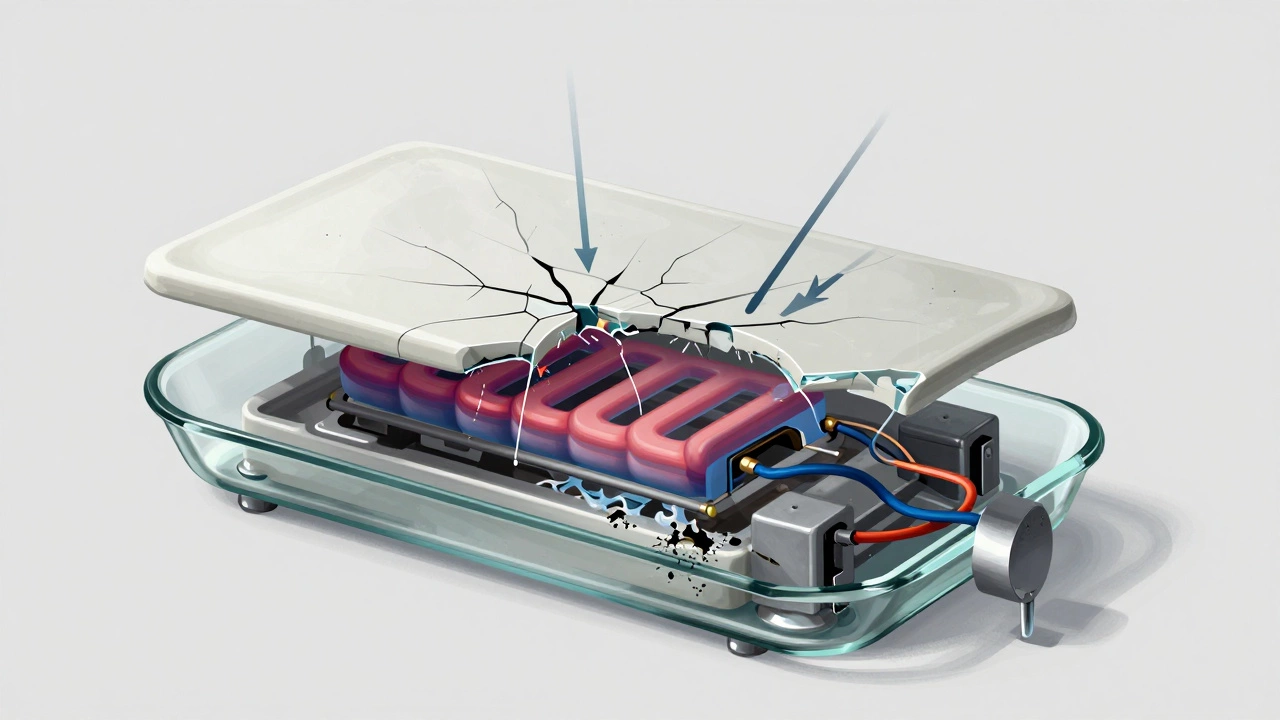
Glass hobs, also called ceramic or induction cooktops, aren’t like a cracked phone screen. You can’t just glue them back together and call it done. The glass used in these hobs is specially tempered to handle extreme heat, rapid temperature changes, and heavy pots. It’s not just decorative-it’s engineered to conduct heat evenly and resist thermal shock. When it cracks, that integrity is gone.Even a hairline crack can spread under heat. One minute you’re simmering sauce, the next you’ve got a full break. That’s why manufacturers and safety agencies like UL (Underwriters Laboratories) explicitly warn against using damaged cooktops. The risk isn’t just a messy kitchen-it’s fire, electric shock, or glass shards flying into food.
What People Try (And Why It Fails)
You’ve probably seen videos online: someone uses epoxy, super glue, or even ceramic filler to patch a crack. It looks fine at first. But here’s what happens next:- Heat weakens the bond-epoxy softens above 120°C. Your hob hits 250°C+ during cooking.
- Moisture gets trapped-even tiny gaps let steam in, leading to corrosion under the surface.
- Stress concentrates-the repair creates a weak point. More cracks appear nearby.
- Electrical components get exposed-if the crack reaches the heating coil or wiring, you risk a short circuit.
A 2023 study by the European Home Appliance Safety Association found that 87% of DIY-repaired glass hobs failed within 6 months. Of those, 12% caused minor electrical faults, and 3% led to small fires. No reputable technician will touch a repaired hob. They’ll just replace it.
When Replacement Is Your Only Option
If your glass hob is cracked, chipped, or has deep scratches that catch your fingers, replacement is the only safe choice. The good news? It’s often cheaper than you think.Most modern hobs are modular. The glass surface lifts off-no need to replace the whole unit. You can buy a replacement glass top from the manufacturer (like Bosch, Siemens, or Indesit) or third-party suppliers like AppliancePartsPros or RepairClinic. Prices range from $80 to $250 depending on size and brand.
Installation is straightforward if you’re handy:
- Turn off power at the breaker.
- Remove the screws around the edge of the hob (usually under the front lip or behind the control panel).
- Lift out the old glass panel. It’s heavy-get help.
- Disconnect the wiring harness (take a photo before unplugging).
- Place the new glass panel, reconnect the wires, and bolt it down.
Most people can do this in under an hour. A professional technician charges $150-$300 for labor, but you save half by doing it yourself.
What About Minor Scratches?
Not every blemish needs replacement. Light scratches from metal utensils or cleaning pads are cosmetic. You can minimize them with a special ceramic cooktop polish-like Cerama Bryte or Weiman. Apply it with a soft cloth, buff gently, and wipe clean. It won’t remove deep gouges, but it can hide fine lines and restore shine.Never use steel wool, abrasive cleaners, or oven spray. They’ll dig deeper into the glass. Stick to non-abrasive pads and pH-neutral cleaners. Vinegar and water? Fine. Bleach? Never.
How to Prevent Future Damage
Prevention is cheaper than replacement. Here’s what actually works:- Use cookware with flat, smooth bottoms-no warped pans or rough cast iron unless it’s enamel-coated.
- Don’t slide pots-lift them instead. Dragging creates micro-scratches that turn into cracks over time.
- Never place cold items on a hot hob-a frozen pot or wet cloth can cause thermal shock.
- Use a trivet for hot dishes-even if they’re just out of the oven.
- Clean daily-burnt-on food builds up and becomes harder to remove, forcing you to scrub harder.
Most glass hobs last 10-15 years if treated well. But one careless move can cut that in half.
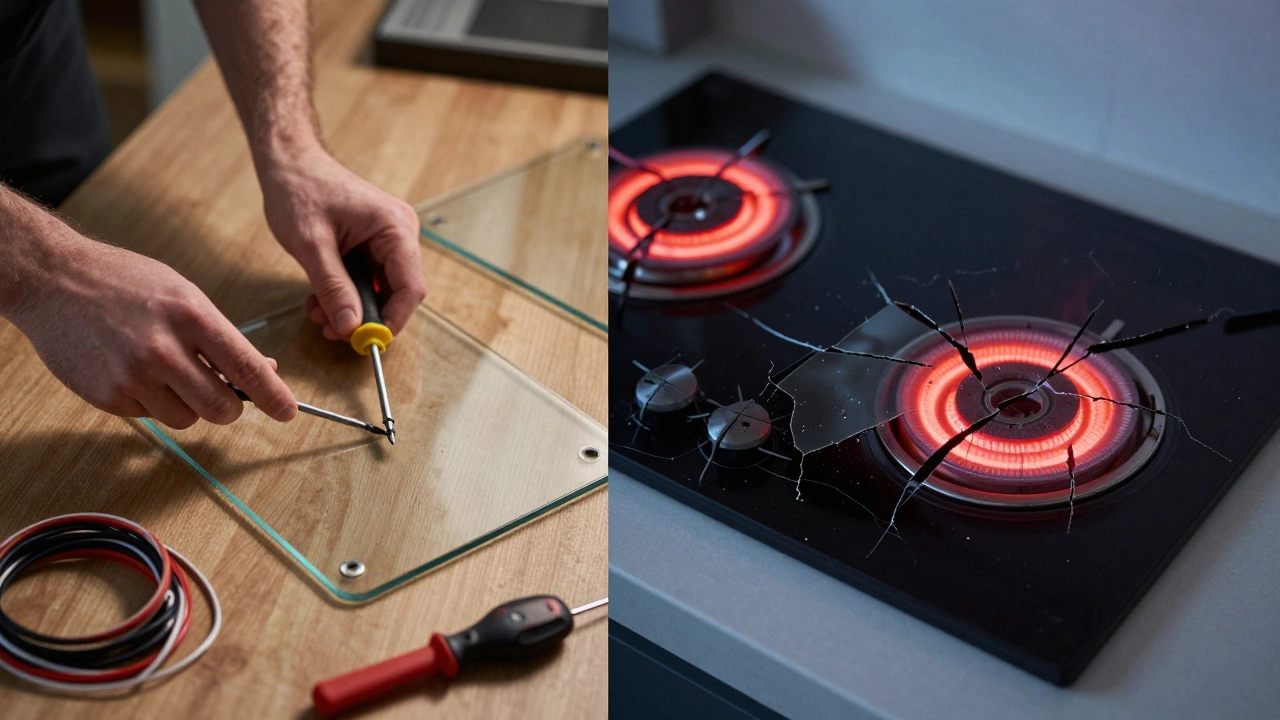
What to Do If It Breaks While Cooking
If your hob cracks mid-cook:- Turn off the power immediately.
- Don’t touch the surface-even if it looks cool, it might still be hot underneath.
- Remove food carefully with tongs or a spatula.
- Let it cool completely before attempting cleanup.
- Call a professional or order a replacement. Don’t use it again.
Waiting to fix it later doesn’t make it safer. Cracks spread fast under heat cycles. The longer you wait, the more likely you are to face a bigger repair bill-or worse.
Is Insurance Worth It?
Homeowners or renters insurance might cover a cracked hob if it was caused by an accident (like dropping a heavy pot). But not if it’s due to normal wear or poor care. Check your policy. Some insurers require proof of maintenance-so keep receipts for cleaning products or service visits.Extended warranties? Rarely worth it for hobs. They usually exclude glass damage. Stick to prevention and replacement.